
7-Day Uganda Gorilla Trekking & Wildlife Safari
The Complete Itinerary, Cost & Planning Guide for Bwindi Gorillas, Queen Elizabeth National Park & Kibale Forest Chimpanzees
Uganda gorilla trekking and wildlife safari holidays rank among the most rewarding wildlife experiences on Earth, and a well-paced 7 day Uganda safari itinerary is the ideal length to combine mountain gorilla trekking in Bwindi Impenetrable Forest with chimpanzee tracking in Kibale Forest National Park and a classic game drive safari through Queen Elizabeth National Park. This guide walks through a detailed, day-by-day 7 day gorilla trekking and wildlife safari itinerary, covering gorilla permit costs, the best time to visit Uganda, accommodation options for every budget, packing tips, visa requirements, and answers to the most frequently asked questions from first-time travelers planning a Uganda safari.
Quick Trip Snapshot
|
Why Choose Uganda for Gorilla Trekking and a Wildlife Safari
Uganda is one of only three countries in the world — alongside Rwanda and the Democratic Republic of Congo — where travelers can trek endangered mountain gorillas in their natural habitat. Nicknamed the Pearl of Africa, Uganda offers something rare: the chance to combine a world-class primate safari with a classic Big Five style savannah safari in a single, compact itinerary. Unlike Rwanda’s Volcanoes National Park, Bwindi Impenetrable Forest is home to more than half of the world’s remaining mountain gorilla population spread across multiple habituated families, which means permits are more available and trekking routes are more varied.
Beyond gorillas, Uganda’s Albertine Rift ecosystems support over 1,000 recorded bird species, ten habituated chimpanzee communities, and healthy populations of tree-climbing lions, elephants, hippos, and Nile crocodiles. A 7 day itinerary strikes the right balance for most travelers: enough time to trek gorillas without rushing, a full day for chimpanzee tracking, and two to three days of open savannah game drives and boat cruises — all without the longer flight connections and higher permit costs associated with neighboring countries.
At a Glance: The 7-Day Route
| Day | Route / Location | Main Activity |
| Day 1 | Entebbe – Kampala – Lake Mburo region | Arrival, transfer, en-route wildlife stop |
| Day 2 | Lake Mburo – Bwindi Impenetrable Forest | Scenic drive through the Kigezi highlands |
| Day 3 | Bwindi Impenetrable Forest | Mountain gorilla trekking |
| Day 4 | Bwindi – Queen Elizabeth National Park | Transfer via Ishasha sector, tree-climbing lions |
| Day 5 | Queen Elizabeth National Park | Game drive and Kazinga Channel boat cruise |
| Day 6 | Queen Elizabeth – Kibale Forest National Park | Transfer and chimpanzee tracking preparation |
| Day 7 | Kibale Forest – Entebbe | Chimpanzee tracking, drive back, departure |

Detailed Day-by-Day 7-Day Itinerary
DAY 1 | Arrival in Entebbe & Transfer Toward Lake Mburo |
| Your Uganda gorilla trekking and wildlife safari begins with arrival at Entebbe International Airport, where your guide will meet you for the drive toward southwestern Uganda. Rather than an idle transit day, most itineraries route travelers through or near Lake Mburo National Park, Uganda’s smallest savannah park, offering an easy introduction to zebra, eland, impala, and over 300 bird species.
Depending on arrival time, you may overnight in Kampala or push on toward the Lake Mburo area, breaking up the long drive to Bwindi over two days rather than one exhausting stretch. The route passes through rolling tea plantations and the scenic hills of Ankole cattle country, giving first impressions of rural Uganda long before the forest interior comes into view. Highlights of the day:
|
DAY 2 | Lake Mburo to Bwindi Impenetrable Forest |
| After breakfast, continue the journey south toward Bwindi Impenetrable Forest National Park, a UNESCO World Heritage Site and one of Africa’s oldest and most biodiverse rainforests. The drive winds through the Kigezi Highlands, often called the ‘Switzerland of Africa’ for its terraced hillsides and dramatic valleys.
Arrival in Bwindi typically falls in the late afternoon, leaving time to settle into your lodge, enjoy panoramic views over the forest canopy, and receive a full briefing on the following day’s gorilla trekking rules, group assignments, and what to expect on the trail. Highlights of the day: • Drive through the Kigezi Highlands and Echuya Forest • Arrival and check-in near Bwindi’s forest edge • Pre-trek briefing on gorilla trekking etiquette |
DAY 3 | Mountain Gorilla Trekking in Bwindi |
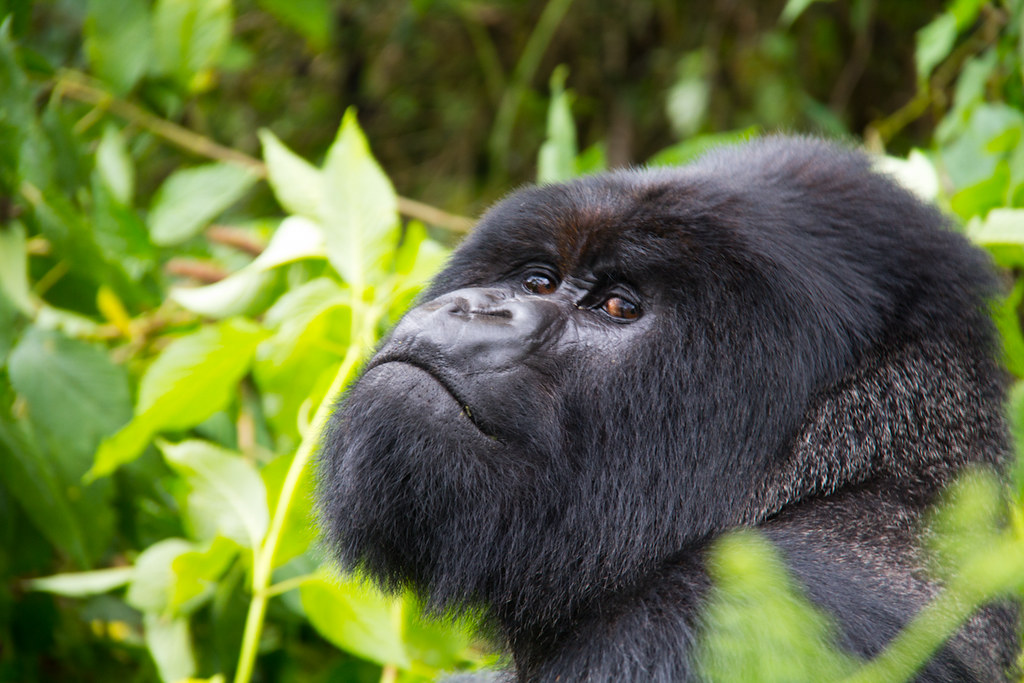
| This is the centerpiece of the itinerary. After an early breakfast, head to the park headquarters for registration, where rangers assign trekking groups to one of Bwindi’s habituated gorilla families based on fitness level and family location. Trekking begins with a briefing at 7:30 a.m. sharp, followed by a hike that can last anywhere from one to eight hours depending on where the gorillas are feeding that morning.
Once your group locates the family, you are permitted a full hour in the presence of the gorillas — observing silverbacks, mothers with infants, and juveniles at close range, always keeping the recommended distance for the animals’ health and your own safety. This single hour is consistently rated by travelers as one of the most profound wildlife encounters on the continent. The afternoon is free to rest, enjoy your lodge’s grounds, or take an optional nature walk or visit to a local Batwa community to learn about the indigenous forest people who once called Bwindi home. Highlights of the day: • 7:30 a.m. ranger briefing and group assignment • Trek through dense rainforest tracking a habituated gorilla family • One full hour observing gorillas at close range • Certificate presentation back at park headquarters |
DAY 4 | Bwindi to Queen Elizabeth National Park via Ishasha |
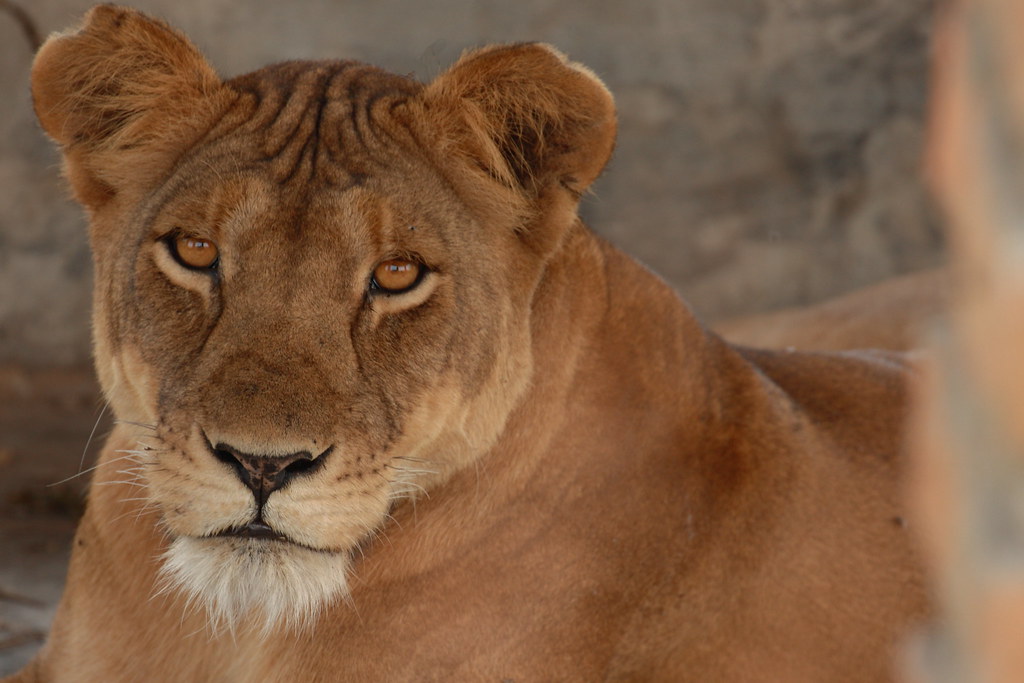
| Depart Bwindi and travel north toward Queen Elizabeth National Park via the remote Ishasha sector, famous throughout East Africa for its tree-climbing lions. Unlike most lion populations, the Ishasha pride has developed the unusual habit of resting in the branches of fig and acacia trees during the heat of the day, offering a genuinely rare photographic opportunity.
A game drive through Ishasha on the way to your main Queen Elizabeth lodge often produces sightings of Uganda kob, buffalo, and elephant in addition to the tree-climbing lions, making the transfer day feel like a full safari activity rather than a simple road transit. Highlights of the day: • Search for tree-climbing lions in the Ishasha sector • Game viewing en route: kob, buffalo, elephant • Arrival at your Queen Elizabeth National Park lodge |
DAY 5 | Queen Elizabeth National Park Game Drive & Kazinga Channel Cruise |
| A full day dedicated to Queen Elizabeth National Park, Uganda’s most biodiverse savannah park. An early morning game drive across the Kasenyi plains offers the best chance of spotting lion, elephant, buffalo, hyena, and large herds of Uganda kob against the backdrop of the Rwenzori Mountains.
In the afternoon, board a boat cruise along the Kazinga Channel, the natural waterway connecting Lake Edward and Lake George. The channel hosts one of Africa’s largest concentrations of hippos, alongside Nile crocodiles, elephants coming to drink at the water’s edge, and prolific birdlife including African fish eagles, pelicans, and kingfishers. Highlights of the day: • Sunrise game drive across the Kasenyi plains • Boat cruise along the hippo- and bird-rich Kazinga Channel • Optional crater lakes drive or cultural village visit |
DAY 6 | Queen Elizabeth to Kibale Forest National Park |
| Travel north to Kibale Forest National Park, widely regarded as the primate capital of East Africa. The drive passes through the scenic Rwenzori foothills and the crater lake district around Fort Portal before arriving at your forest-edge lodge in the late afternoon.
Use the remainder of the day to relax, enjoy the cooler forest climate, and prepare for the following morning’s chimpanzee tracking briefing. Highlights of the day: • Scenic drive via the Fort Portal crater lakes • Arrival at a Kibale Forest lodge • Evening briefing on chimpanzee tracking logistics |
DAY 7 | Chimpanzee Tracking in Kibale Forest & Departure |
| Begin the final day with an early morning chimpanzee tracking excursion into Kibale Forest, home to roughly 1,500 chimpanzees and thirteen primate species in total. Guided by experienced trackers, groups typically locate a habituated chimpanzee community within one to three hours, observing behaviors from grooming and feeding to the loud, echoing pant-hoot calls that define chimpanzee social life.
After the tracking experience and a final lodge breakfast or lunch, begin the return drive to Entebbe International Airport for your onward flight, bringing your 7 day Uganda gorilla trekking and wildlife safari to a close. Highlights of the day: • Morning chimpanzee tracking in Kibale Forest • Close observation of a habituated chimp community • Return drive to Entebbe and international departure |

Gorilla Permits, Chimpanzee Permits & Safari Costs
Gorilla trekking permits are the single largest line item in any Uganda safari budget, and they must be booked well in advance through the Uganda Wildlife Authority or a licensed tour operator, since only a limited number of permits are issued per gorilla family per day to protect the animals from overexposure.
| Permit / Fee | Foreign Non-Resident | Foreign Resident | East African Citizen |
| Gorilla trekking permit (Bwindi) | US $800 | US $700 | UGX 300,000 |
| Chimpanzee tracking permit (Kibale) | US $250 | US $200 | UGX 150,000 |
| Queen Elizabeth NP entry (per day) | US $40 | US $35 | UGX 20,000 |
| Lake Mburo NP entry (per day) | US $40 | US $35 | UGX 20,000 |
Rates are set by the Uganda Wildlife Authority and are subject to periodic revision, so always confirm current pricing with your operator before booking. Gorilla permits typically sell out months ahead during the July–September and December–February peak seasons, so early booking — ideally four to six months in advance — is strongly recommended.
Sample Cost Range for a 7-Day Trip
| Travel Style | Approx. Cost Per Person (excl. international flights) |
| Budget / camping-based | US $2,200 – $2,800 |
| Mid-range lodges | US $3,200 – $4,200 |
| Luxury lodges and camps | US $5,500 and above |
These figures generally include gorilla and chimpanzee permits, ground transport in a 4×4 safari vehicle, park entrance fees, accommodation, most meals, and an experienced driver-guide, but exclude international flights, visas, tips, and personal spending.
Best Time to Visit Uganda for Gorilla Trekking and Wildlife Viewing
Uganda’s equatorial climate means wildlife viewing is possible year-round, but trekking conditions and game visibility shift with the seasons.
Dry Seasons (Best Overall) — June to September and December to February
These months offer the driest trails in Bwindi’s rainforest, making gorilla trekking physically easier, and coincide with peak wildlife concentration in Queen Elizabeth National Park as animals gather near permanent water sources. This is also when gorilla permits are in highest demand.
Wet Seasons — March to May and October to November
Rains bring lush scenery, fewer crowds, and occasionally discounted gorilla permits in Uganda, but trekking trails become muddier and more physically demanding. Birdwatchers often prefer this period for migratory species and breeding plumage.
Accommodation Options Along the Route
Accommodation across this 7 day itinerary spans three main regions — Bwindi, Queen Elizabeth National Park, and Kibale Forest — with options at every budget tier.
| Region | Budget | Mid-Range | Luxury |
| Bwindi Impenetrable Forest | Community campsites, simple guesthouses | Forest-view lodges with en-suite cottages | Premium gorilla lodges with panoramic forest decks |
| Queen Elizabeth National Park | Public campsites, budget bandas | Savannah-view lodges near Mweya or Katunguru | Riverside and channel-front luxury camps |
| Kibale Forest National Park | Backpacker guesthouses in Fort Portal | Forest-edge lodges near the park gate | Boutique forest lodges with guided nature trails |

What to Pack for a Uganda Gorilla Trekking and Safari Trip
- Waterproof hiking boots with ankle support for muddy forest trails
- Long-sleeved shirts and trousers in neutral, earth-toned colors
- Gardening gloves for gripping vegetation on steep trekking sections
- A lightweight rain jacket, even in the dry season
- Insect repellent and personal first-aid supplies, including motion-sickness tablets for long drives
- Binoculars and a camera with a zoom lens for wildlife and birding
- A daypack for water, snacks, and rain gear during the trek
- Cash in US dollars (post-2009 notes) for tips and incidentals
Visa and Entry Requirements
Most nationalities require a visa to enter Uganda, obtainable in advance through the official Uganda e-visa portal. Travelers combining Uganda with Kenya and Rwanda on the same trip should look into the East Africa Tourist Visa, which permits multiple entries across all three countries on a single visa. A yellow fever vaccination certificate is a mandatory entry requirement, and travelers should consult a travel health professional about malaria prophylaxis before departure.
| Fitness Note for Gorilla Trekking
• Trekking difficulty ranges from a gentle one-hour walk to a strenuous eight-hour hike depending on gorilla movement that day • Porters are available to hire locally and are strongly recommended — they also support community income • A reasonable level of fitness is required; travelers with mobility concerns should discuss options with their operator in advance |
Frequently Asked Questions
Is 7 days enough for Uganda gorilla trekking and a wildlife safari?
Yes. Seven days is enough time to combine one gorilla trekking day in Bwindi, one chimpanzee tracking day in Kibale, and two to three days of savannah game drives and boat cruises in Queen Elizabeth National Park, without excessive daily driving distances.
How difficult is mountain gorilla trekking?
Difficulty varies daily depending on where the gorilla family is feeding. Treks can range from a relatively flat one-hour walk to a steep, multi-hour hike through dense vegetation. Hiring a porter and arriving with reasonable fitness makes the experience considerably more manageable.
Can I combine Uganda gorilla trekking with Rwanda or Tanzania?
Yes, many travelers extend this itinerary to include Rwanda’s Volcanoes National Park or a Tanzania safari circuit, though doing so adds travel days and, in Rwanda’s case, a considerably higher gorilla permit fee.
What is the minimum age for gorilla trekking in Uganda?
The Uganda Wildlife Authority sets the minimum age for gorilla trekking at 15 years old. There is no upper age limit, provided travelers are reasonably fit for the trek.
How many gorilla permits are available per day?
Bwindi Impenetrable Forest has multiple habituated gorilla families across four trekking sectors, and each family permits a maximum of eight visitors per day, meaning total daily permits across the park number in the dozens — still limited enough that advance booking is essential.
Final Thoughts: Planning Your 7-Day Uganda Safari
A 7 day Uganda gorilla trekking and wildlife safari delivers an extraordinary range of experiences in a single, well-paced trip: face-to-face encounters with mountain gorillas, close chimpanzee tracking in ancient rainforest, tree-climbing lions found almost nowhere else in Africa, and boat cruises past hippo pods on the Kazinga Channel. With advance planning around permit availability and the dry-season travel window, this itinerary remains one of the most complete introductions to East Africa’s wildlife available anywhere on the continent.