2 Days Gorilla Trekking from Kabale, Uganda
Kabale is southwestern Uganda’s gateway town — the last major stop before the road climbs into the Virunga foothills and the mist-covered ridges of Bwindi Impenetrable Forest National Park. Because it sits so close to Bwindi’s Ruhija and Rushaga sectors, Kabale has become one of the most convenient and popular bases for travellers who want to track mountain gorillas without committing to a long, multi-day safari.
This guide lays out a complete 2 day gorilla trekking itinerary starting and ending in Kabale, covers the permit process and 2026 pricing, compares the sectors you can realistically reach from town, and answers the practical questions — fitness, packing, accommodation, and timing — that first-time trekkers usually ask.
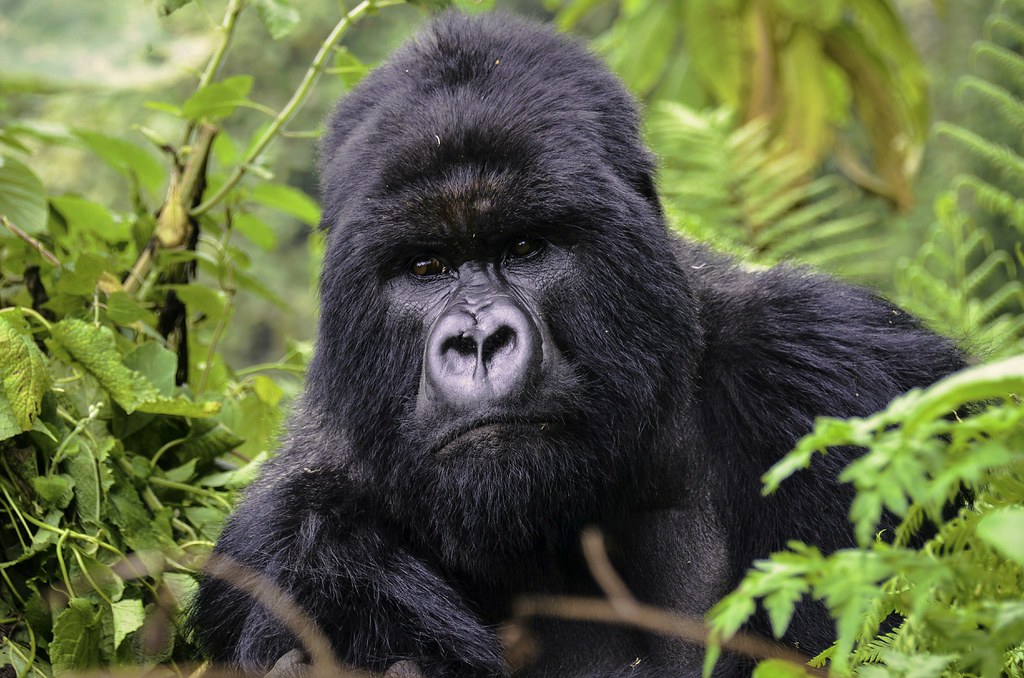
| Quick Facts: 2-Day Gorilla Trekking from Kabale
• Duration: 2 days, 1 night (extendable to 3 days / 2 nights for a more relaxed pace) • Base town: Kabale, southwestern Uganda • Nearest sectors: Ruhija (about 1.5–2 hours) and Rushaga (about 2–2.5 hours) • Gorilla permit (2026): US$800 per person for foreign non-residents • Trekking difficulty: Moderate to strenuous, depending on the gorilla family’s location • Best months: June–August and December–February (drier trails) • Group size per gorilla family: Maximum 8 visitors, 1 hour with the gorillas |
Why Trek Gorillas from Kabale
Most gorilla trekking itineraries are built around Bwindi’s four sectors — Buhoma, Ruhija, Rushaga, and Nkuringo — each with its own trailhead town. Kabale isn’t a sector town itself, but it is the largest and best-equipped urban centre in the region, with reliable fuel stations, banks, supermarkets, mechanics, and a much wider choice of hotels than the smaller villages right at the park boundary.
For travellers who are already routing through southwestern Uganda — perhaps arriving from Lake Bunyonyi, Kigali, or the Kigezi highlands — Kabale offers a comfortable overnight base that keeps the drive to either Ruhija or Rushaga short enough to make a two-day trek genuinely feasible, without the pre-dawn scramble a Kampala-based itinerary would require.
Kabale at a Glance
- Location: roughly 30 km from Lake Bunyonyi and within striking distance of both Bwindi and Mgahinga Gorilla National Park.
- Elevation: around 1,950 m, giving it a cool, temperate climate compared to Uganda’s lowland parks.
- Infrastructure: the region’s main commercial hub, with ATMs, forex bureaus, hardware and outdoor-gear shops, and a busy bus park.
- Distance to Kampala: about 420 km (7–8 hours by road via Mbarara).
Day-by-Day Itinerary
Day 1: Kabale to Bwindi Impenetrable Forest
Morning (8:00 AM): Depart Kabale after an early breakfast. If you’re heading to Ruhija sector, the drive climbs through terraced hillsides and tea plantations and takes roughly 1.5–2 hours on a mix of tarmac and manageable dirt road. Rushaga, further south, takes closer to 2–2.5 hours.
Late Morning: Arrive at your lodge near the trailhead and check in. Use the rest of the day to relax, review your packing list, and get an early night — trekking briefings start at 7:00–7:30 AM sharp the next morning.
Optional Afternoon Activity: Lodges near Ruhija often arrange short nature walks or birdwatching along the forest edge — Bwindi is home to over 350 recorded bird species, including several Albertine Rift endemics. This is also a good time to meet your guide and confirm transport arrangements for the following morning.
Evening: Dinner and an early bedtime. Most lodges in this area run on generator or solar power with limited hours, so pack a headlamp.
Day 2: Gorilla Trekking Day
6:00 AM: Early breakfast (some lodges offer a packed breakfast if you prefer to eat after the briefing).
7:00–7:30 AM: Arrive at the park headquarters for registration, a briefing on trekking rules, and assignment to a gorilla family based on fitness level and interest.
8:00 AM onward: Trek into the forest with your guide, an armed ranger, and porters (highly recommended and inexpensive to hire). Trekking time to reach a gorilla family ranges from 1 to 6 hours round trip, depending on where the group has moved to that morning.
The Encounter: Once the trackers locate the family, you’ll have exactly one hour with the gorillas — watching them forage, interact, and move through the vegetation at close range.
Afternoon: Hike back out, receive your trekking certificate at headquarters, and return to your lodge for a late lunch. Depart for Kabale (or your next destination) in the afternoon, arriving back in town by early evening.
| Tip: Build in a Buffer Day
• Gorilla trekking cannot be rescheduled around your flight — if the trek runs long, a same-day return to Kabale and onward travel can feel rushed • Where possible, spend the trekking-day night at your Bwindi lodge and drive back to Kabale the following morning instead • This turns the trip into 3 days / 2 nights and removes the pressure of an afternoon drive after a physically demanding morning |
Choosing Your Bwindi Sector from Kabale
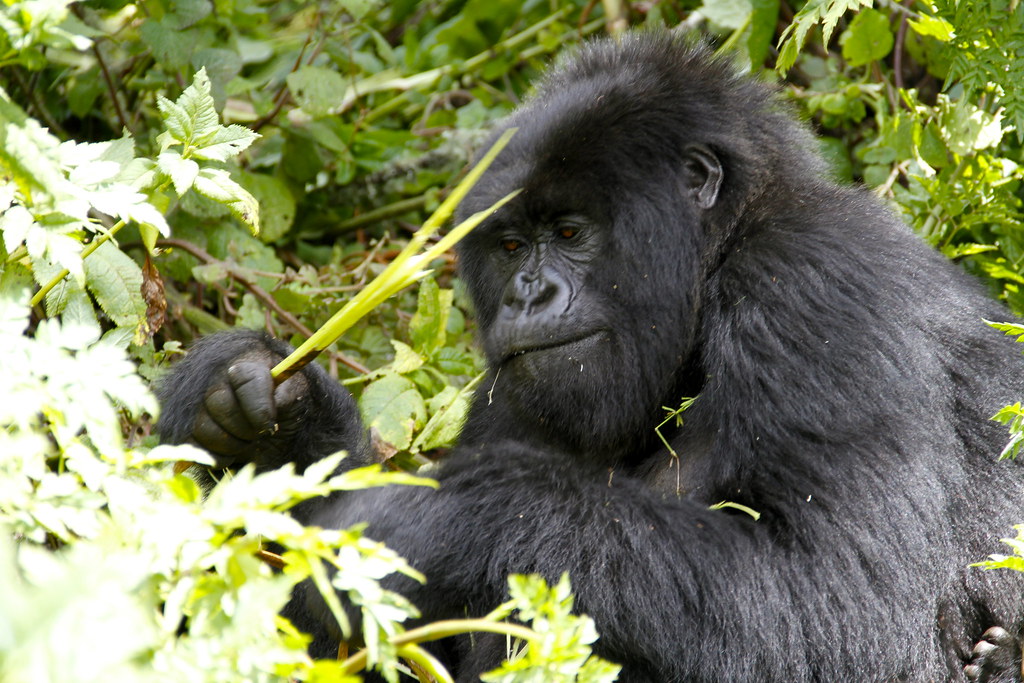
Bwindi is divided into four trekking sectors, each with its own habituated gorilla families and trailhead. From Kabale, two sectors are realistically reachable for a tight two-day plan; the other two add significant driving time.
| Sector | Drive from Kabale | Gorilla Families | Notes |
| Ruhija | 1.5–2 hours | 4 habituated families | Closest sector to Kabale; cooler, high-altitude forest; good for birding |
| Rushaga | 2–2.5 hours | 7 habituated families | Largest number of families; also offers the 4-hour Gorilla Habituation Experience |
| Nkuringo | 2.5–3 hours | 2 habituated families | Steep terrain with rewarding Virunga views; further from Kabale |
| Buhoma | 3–3.5 hours | 5 habituated families | Original and most-developed sector; furthest from Kabale, closer to Kanungu |
For a genuine two-day itinerary, Ruhija is the most practical choice simply because it minimises drive time on both ends. Rushaga is a close second and is worth the extra hour if you’re specifically interested in the Gorilla Habituation Experience, which allows a longer, four-hour session with a semi-habituated family.
Gorilla Permit Costs & Booking (2026)
| Visitor Category | Standard Trekking Permit | Habituation Experience |
| Foreign Non-Resident | US$800 | US$1,500 |
| Foreign Resident | US$700 | US$1,500 |
| East African Citizen | UGX 300,000 | UGX 750,000 |
Permits are issued by the Uganda Wildlife Authority (UWA) and should be booked well in advance — ideally 3 to 6 months ahead for the June–August and December–February high seasons, since only 8 permits are released per gorilla family per day. A licensed tour operator or safari agent can handle the booking on your behalf, or you can apply directly through UWA.
What the Permit Includes
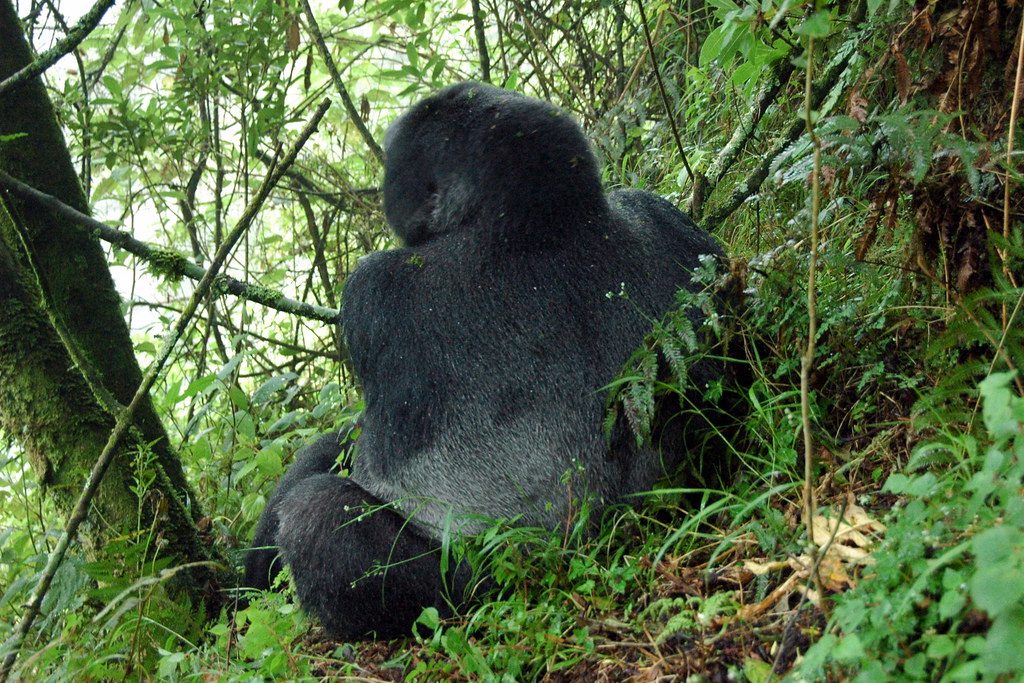
- One hour of guided gorilla viewing once the family is located
- Park entry fees and a ranger-guide for the day
- An armed ranger escort for security
- A trekking certificate at the end of the day
What It Doesn’t Include
- Transport to and from the trailhead
- Porter fees (typically US$15–20, paid directly and highly recommended)
- Accommodation and meals
- Gratuities for guides, rangers, and porters
Getting There: Kabale to Bwindi Route Details
| Route | Distance | Approx. Drive Time | Road Condition |
| Kabale → Ruhija | ~55 km | 1.5–2 hours | Tarmac to Kabale outskirts, then graded murram road, steep in sections |
| Kabale → Rushaga | ~80 km | 2–2.5 hours | Mixed tarmac and dirt via Kisoro road, generally well maintained |
| Kabale → Nkuringo | ~95 km | 2.5–3 hours | Dirt roads with steep switchbacks near the park boundary |
| Kabale → Buhoma | ~110 km | 3–3.5 hours | Longest route; tarmac via Kanungu, then murram for the final stretch |
A 4×4 vehicle is strongly recommended for the final stretch into any sector, particularly during the rainy months of March–May and September–November, when murram roads can become slippery. Self-drivers should confirm current road conditions with their rental company, while those without their own vehicle can arrange a private transfer or join a small-group shuttle from Kabale.
Best Time to Visit
Gorilla trekking runs year-round, since Bwindi’s gorilla families are tracked daily regardless of season. That said, the timing of your visit affects trail conditions, pricing pressure on permits, and overall comfort.
Dry Seasons (June–August, December–February)
- Firmer, less slippery trails, especially valuable on Bwindi’s steep terrain
- Higher demand — book permits several months ahead
- Clearer mornings, better for the drive between Kabale and the trailhead
Wet Seasons (March–May, September–November)
- Lower rates at some lodges and slightly more permit availability
- Lush, greener forest — good for photography
- Muddier, more physically demanding trails; waterproof gear is essential
Fitness Level & What to Pack
Bwindi’s name is well earned — the forest sits on steep volcanic ridges, and trekking involves uneven terrain, dense vegetation, and altitude that ranges from about 1,160 m to 2,600 m. You don’t need to be an athlete, but a reasonable level of fitness makes the experience far more enjoyable, and porters are available to carry bags and offer a supporting hand on steeper sections.
| Packing Checklist
• Sturdy, broken-in hiking boots with ankle support • Long-sleeved shirt and trousers in neutral colours (protection against nettles and thorns) • Gardening-style gloves for gripping vegetation on steep sections • Rain jacket or poncho, even in the dry season • Gaiters (highly recommended for mud and safari ants) • Wide-brimmed hat and sunscreen • Insect repellent • 2+ litres of drinking water and energy snacks • A daypack for your own essentials, plus cash for porter fees and tips • A camera without flash (flash photography is prohibited near the gorillas) |
Where to Stay In Kabale Town
| Tier | Example Style | Approx. Price (per night) |
| Budget | Guesthouses and small inns near the town centre | US$20–40 |
| Mid-Range | Established hotels with restaurants and gardens | US$50–100 |
| Upscale | Lakeside lodges on nearby Lake Bunyonyi (short transfer) | US$150–300+ |
Near the Trailhead (Ruhija / Rushaga)
| Tier | Example Style | Approx. Price (per night, per person) |
| Budget | Community campsites and basic guesthouses | US$25–50 |
| Mid-Range | Comfortable tented camps and lodges with forest views | US$150–300 |
| Luxury | High-end eco-lodges with private decks and full board | US$400–800+ |
Staying the second night near the trailhead rather than driving straight back to Kabale is worth strong consideration — it removes the need to rush after an already long trekking day and lets you enjoy the lodge’s setting before departing the next morning.
Trekking Rules & Etiquette
- Maintain a minimum distance of 7 metres (about 21 feet) from the gorillas at all times.
- Keep your voice low and avoid sudden movements.
- No flash photography — it can startle the gorillas.
- Do not trek if you have a cold, flu, or other contagious illness; gorillas are highly susceptible to human respiratory diseases.
- No eating, drinking, or smoking near the gorillas.
- Children under 15 are not permitted to trek.
- Follow your guide’s instructions at all times, especially if a gorilla approaches or displays.
Extending Your Trip
If two days feels tight, or you’d simply like to see more of the region while you’re already in southwestern Uganda, a few easy add-ons pair naturally with a Kabale-based gorilla trek:
- A day or two at Lake Bunyonyi for canoeing, island-hopping, and rest before or after the trek.
- A side trip to Mgahinga Gorilla National Park near Kisoro for golden monkey trekking or a Virunga volcano hike.
- Crossing into Rwanda’s Volcanoes National Park via the Cyanika or Katuna border for a second gorilla trekking experience.
- Extending toward Queen Elizabeth National Park for game drives and a Kazinga Channel boat cruise.
Frequently Asked Questions
Is 2 days enough for gorilla trekking from Kabale?
Yes, provided you choose the closest sector (Ruhija) and accept a relatively full second day that includes the trek and the drive back. For a more relaxed pace, consider extending to 3 days / 2 nights.
Do I need to book my permit before arriving in Kabale?
Yes. Gorilla permits should be booked in advance — directly with the Uganda Wildlife Authority or through a licensed operator — since only a limited number are issued per family each day, especially in high season.
Can I combine gorilla trekking from Kabale with Lake Bunyonyi?
Easily. Lake Bunyonyi is only about 30 km from Kabale, making it a natural place to relax the night before or after your trek.
What happens if I don’t see the gorillas?
It’s rare, but the Uganda Wildlife Authority offers a follow-up trek or partial refund policy in the unlikely event a family isn’t located, as outlined in UWA’s current visitor terms.
Is Rushaga or Ruhija better from Kabale?
Ruhija is closer and works best for a tight two-day schedule. Rushaga takes slightly longer but offers more habituated families and the option of the longer Gorilla Habituation Experience.
Final Thoughts
A two-day gorilla trek from Kabale strips the experience down to its essentials: one night to settle in near the forest, one unforgettable hour face-to-face with a mountain gorilla family, and a comfortable base to return to. It’s an efficient way to fit one of Africa’s most remarkable wildlife encounters into a short window of time — and Kabale’s location makes that efficiency possible without sacrificing comfort or safety on the road.