
Arusha National Park Fees – Entry Costs & Safari Prices Guide
The subsequent charges related to safaris at Arusha National Park encompass entrance fees: Non-residents aged 16 and over intending to access the park are required to pay an entrance charge of 50 USD during peak season or 45 USD during low season. Non-resident children aged 5 to 15 visiting the national park are required to pay a 15 USD entrance fee, while those under 5 years old are exempt from this charge. The admission costs for Arusha National Park are 25 USD during peak season and 22.5 USD during low season for those aged above 16 years. The admission fee for Arusha National Park is $15 USD for visitors aged 5 to 15. The entrance costs for Arusha National Park are 10,000 Tanzanian shillings for East African and Tanzanian residents aged over 16, and 2,000 Tanzanian shillings for minors aged 5 to 15.
The aforementioned rates exclude the 18% VAT imposed on entrance fees to Arusha National Park. Additional expenses related to visits to Arusha National Park encompass hut and camping fees. Hikers on Mount Meru, situated within the national park, are required to pay hut fees. Tourists reside in huts throughout their excursions, including the Miriakamba hut and the Saddle hut.
Information regarding Arusha National Park
The northern part of Tanzania encompasses the 137 square km Arusha National Park. The national park was established in the 1960s and is one of Tanzania’s northernmost attractions for wildlife observation. The administration of Tanzania’s numerous national parks, including Arusha National Park, is overseen by the Tanzania National Parks Authority (TANAPA). TANAPA regulates entrance fees for visitors to Tanzania’s national parks and facilitates environmental conservation nationwide.
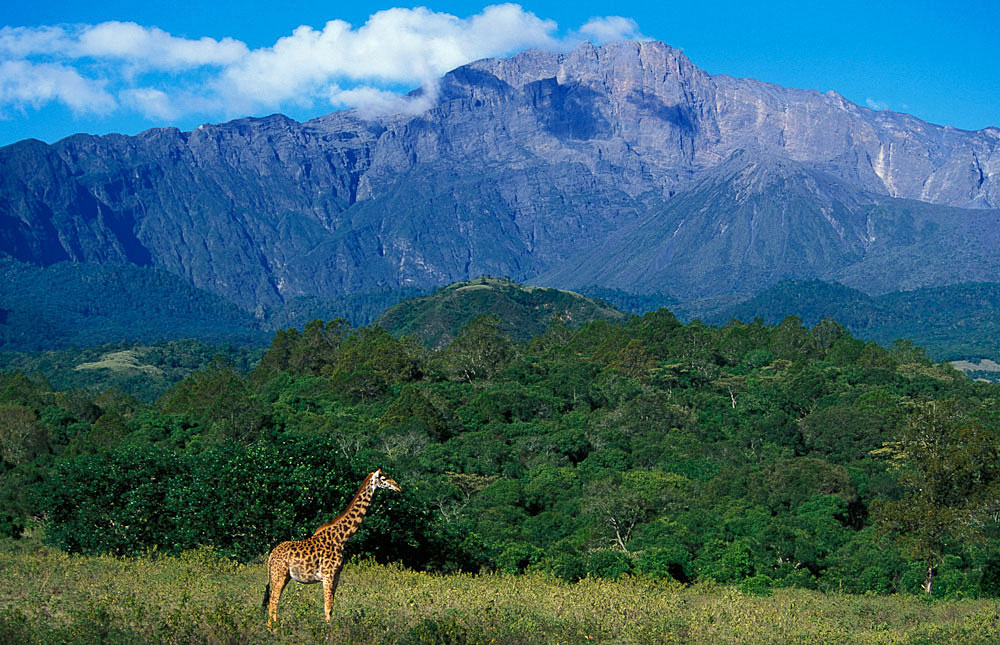
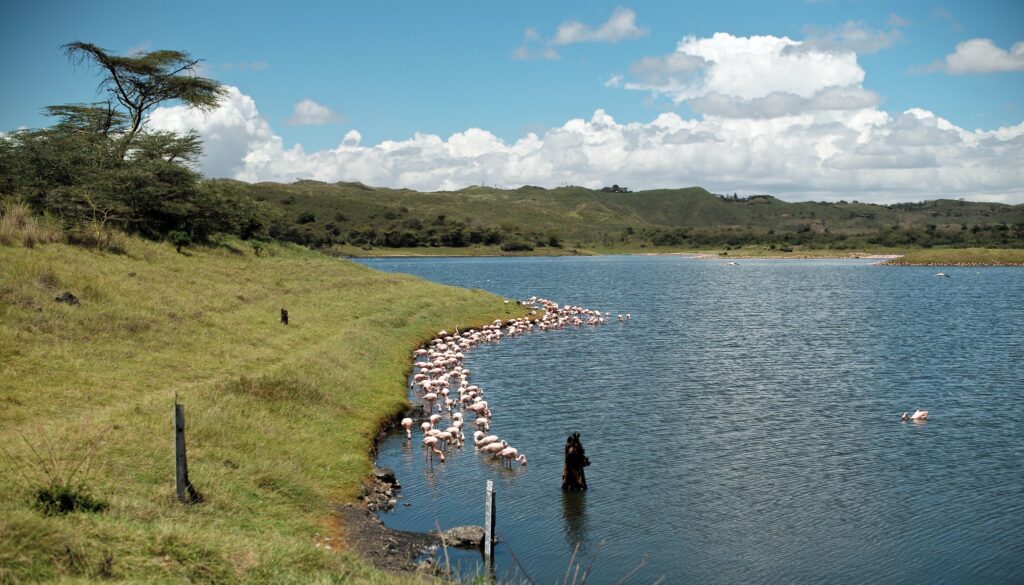
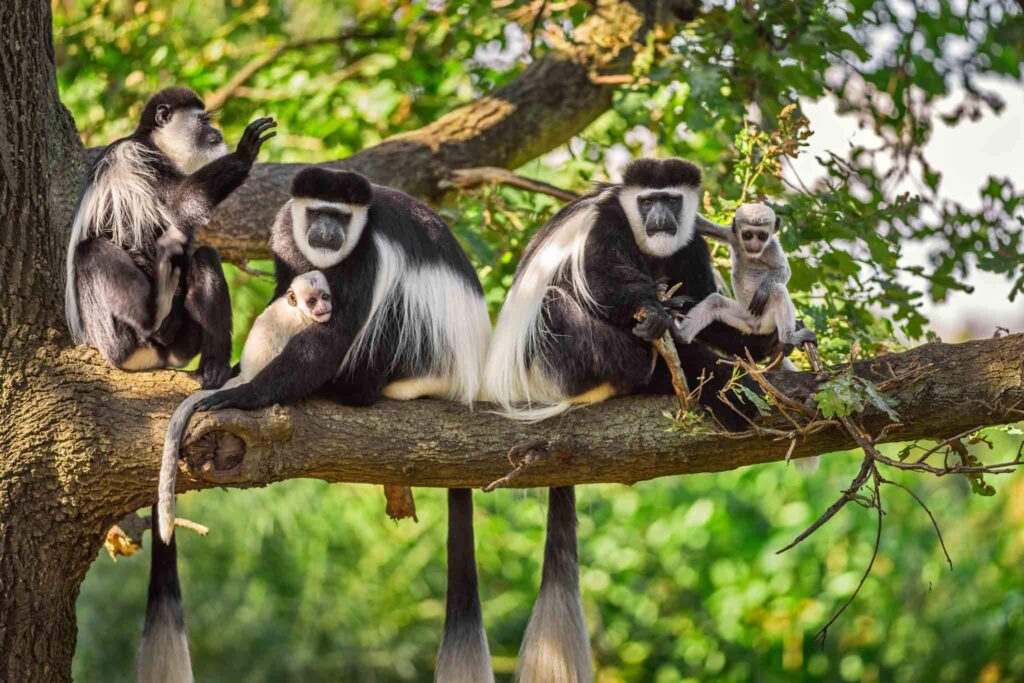
The Ngurdoto Crater, waterfalls, a wooded savannah, a montane forest inhabited by black-and-white colobus monkeys, grassy slopes, and the Momella Lakes comprise the splendid Arusha National Park. Flamingos may also be observed during a safari in that location. Numerous activities are available around Arusha National Park, including game drives, nature walks, hiking, birdwatching, canoeing, horseback riding, and cultural trips. The morning and afternoon game drives in Arusha National Park entail searching for species such as buffalo, giraffes, waterbucks, hippos, zebras, bushbucks, black and white colobus monkeys, and warthogs, among others.
Nature walks, which enhance your connection to the park’s natural environment, are an additional activity conducted during visits to Arusha National Park. These nature treks are facilitated by a ranger guide and entail traversing multiple trails.
Furthermore, hiking occurs in Arusha National Park, featuring trails that ascend Mount Meru. The Momella route is employed for three-to-four-day ascents of Mount Meru. The trekking routes for Mount Meru include: Momella Gate to Miriakamba Hut, Miriakamba Hut to Saddle Hut, Saddle Hut to the summit, and the descent from the summit to Miriakamba Hut. The last day excursion commences at Miriakamba hut and concludes at the Momella gate. Mount Meru is the fifth-highest peak in Africa and the second-highest mountain in Tanzania, standing at 4,566 meters.
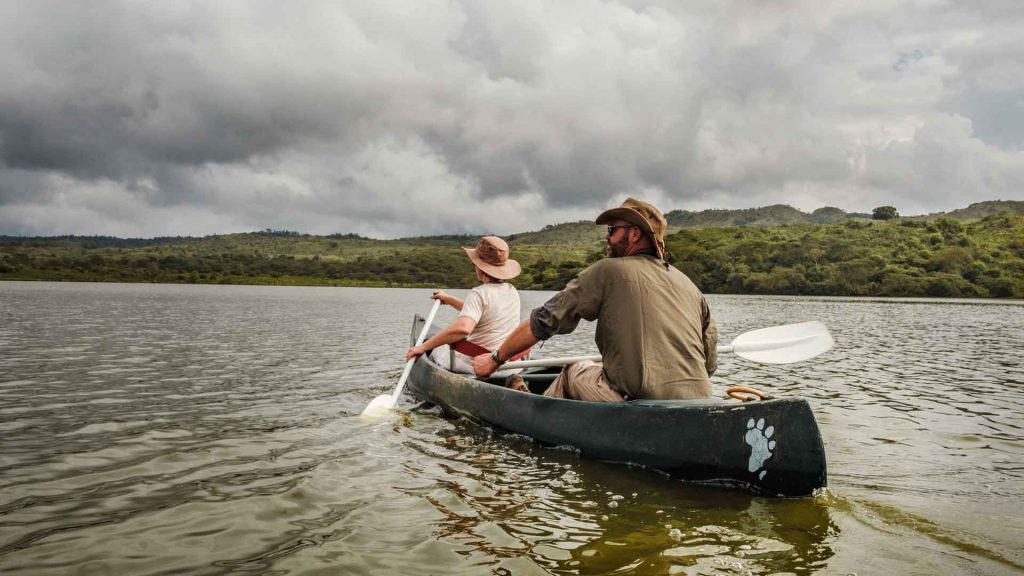
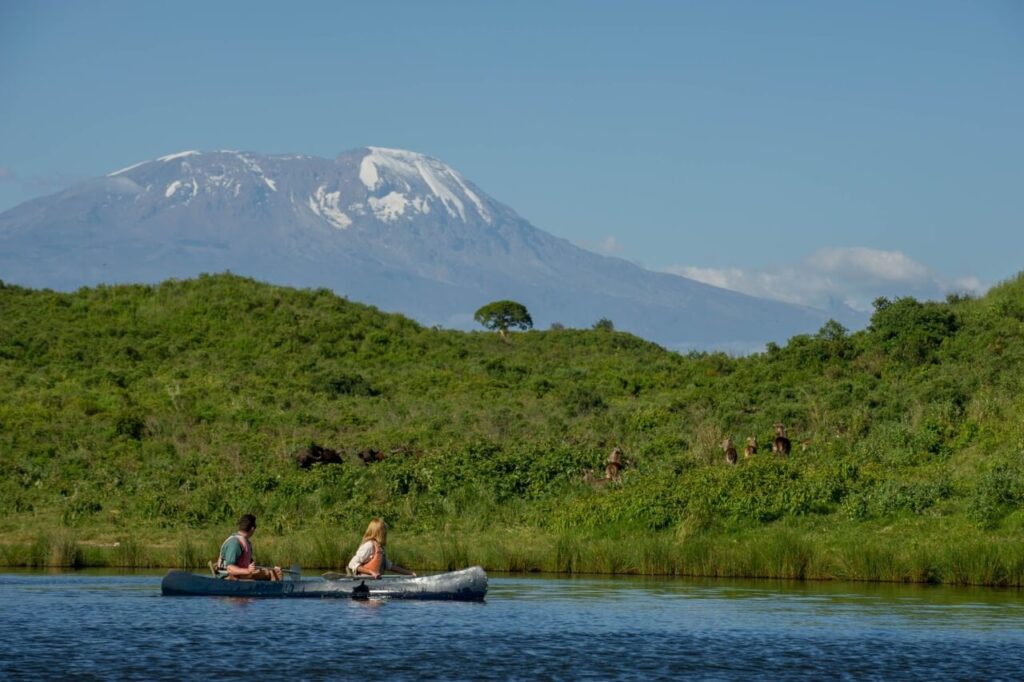
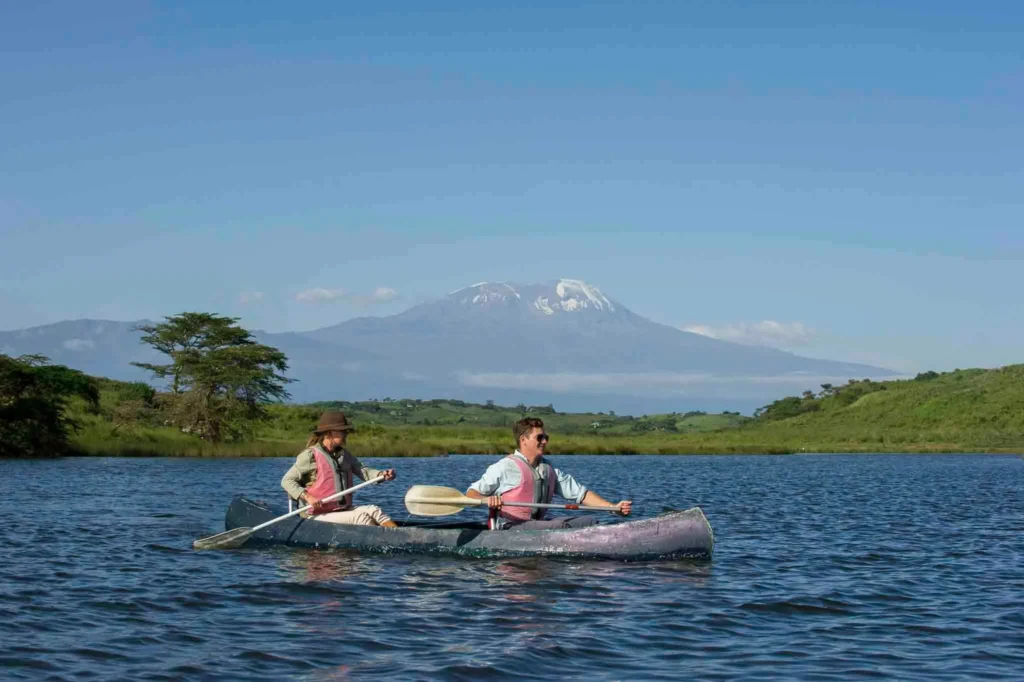
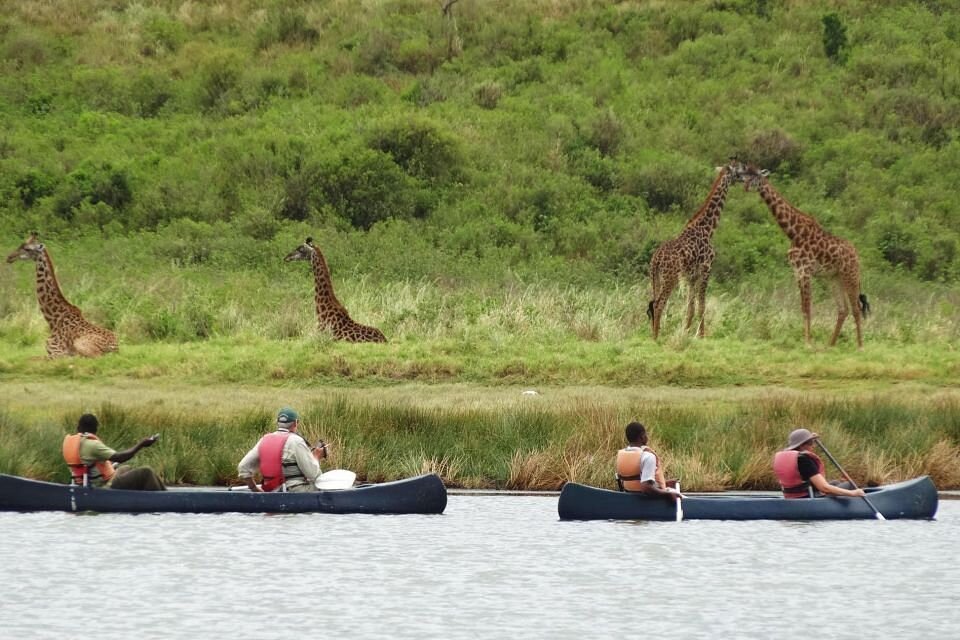
Canoeing is another activity that may be undertaken while on safari at Arusha National Park. The action endures for two to three hours and occurs on the little Momella lakes. The canoe ride offers the opportunity to observe diverse animals, including waterbucks, bushbucks, hippos, buffalo, and many bird species. Entrance fees for Arusha National Park. This activity merges a wildlife observation expedition with a canoe excursion, all while appreciating the breathtaking landscapes of the national park.
Horseback riding is an excellent activity to engage in while visiting Arusha National Park. Wildlife species such as giraffes, buffalo, zebras, and antelopes can be observed while riding. The horseback journey endures for 4 to 6 hours, accompanied by skilled guides who navigate the national park’s savannah grasslands and jungles. Arusha National Park is home to several avian species, including the greater and lesser flamingos, Hartlaub’s turaco, white-faced whistling ducks, white-buck ducks, Hadeda ibis, and silvery-cheeked hornbills. The period from November to April is optimal for observing these birds.
During a Tanzania Safaris trip to Arusha National Park, participants may engage in cultural excursions, which involve interacting with the local populace, gaining insights into their customs and traditions, and observing their residences, among other activities. Travel to Tanzania and partake in a safari at Arusha National Park to experience wildlife observation and more activities.
Animals To See in Arusha National Park
Arusha National Park is distinctive among the game parks in Tanzania’s northern safari circuit. The park lacks the anticipated animals typically observed in other parks. Among the Big Five species, buffaloes are frequently observed, although lions and rhinos are not present in the park. Its distinctiveness and allure lie in its stunning landscapes and the presence of uncommon animal species. The captivating black and white colobus monkey is the emblematic animal species.
wildlife
Arusha National Park’s forest harbours species rarely observed in other game parks in northern Tanzania, such the black and white colobus monkeys and the blue monkeys. If you are fortunate, you may even encounter the elusive red duiker. The tiny Kirk’s dik-dik is universally prevalent. Moreover, giraffes are rather prevalent in the vicinity of the Momella lakes.
Best time for game viewing in Arusha National Park
The dry season, from June until the end of October, is the optimal period for observing wildlife within the park. The animals are more visible due to the sparse foliage, and most congregate near identifiable water sources.
Despite its diminutive size, Arusha National Park is home to a variety of frequently observed animals, including giraffes, buffaloes, zebras, warthogs, the distinctive black-and-white colobus monkeys, the blue monkey, and flamingos, among others. Moreover, African elephants and leopards inhabit the park, but they are rarely observed. Arusha National Park is devoid of any resident lions. The avifauna within the forest is exceptionally diverse, with numerous forest species more readily observable here than in other locations along the tourist route. The Narina Trogon and Bar-tailed Trogon are potential highlights for visiting ornithologists, while the variety of starling species provides a comparatively subdued interest.
The park comprises three distinct vegetation zones that provide home for several recorded animal species. Near the water sources, one can observe reedbucks and waterbucks, while the forested regions of the park reveal the elusive bushbucks and duikers. The ecosystem of Mount Meru is very diverse and hosts some elusive big species, including hyenas and leopards.
Giraffes gracefully traverse the expansive grassy slopes, while herds of zebras are typically observed grazing. Meanwhile, wide-eyed dik-diks, usually in couples, dart into the scrubby underbrush, akin to overgrown hares sprinting on their slender legs. Your exploration will commence in the wooded savannah, where buffalo and giraffes are frequently observed. At Mount Meru, you will encounter woodlands adorned with red-hot pokers and draped in Spanish moss, before arriving at the expansive heath interspersed with large lobelias. The Everlasting flowers persistently cling to the alpine desert, while the adeptly hoofed klipspringers indicate their passage with their ascent. Mount Kilimanjaro dominates the rocky peak, illuminated by the sunrise.