Gorilla Trekking In Buhoma Sector
Gorilla Trekking In Buhoma Sector, Nestled in the northwestern corner of Bwindi Impenetrable National Park, the Buhoma sector stands as the most renowned and historically significant gateway for gorilla trekking in Uganda. It was here, in 1993, that Bwindi first opened its doors to gorilla tourism, making Buhoma the original heartbeat of Uganda’s prized mountain gorilla experience.
Situated at an altitude of approximately 1,160 to 2,607 metres above sea level along the Albertine Rift escarpment, Buhoma offers a dramatic, verdant landscape that is as challenging as it is breathtaking. The sector sits in Kanungu District, southwestern Uganda, and is accessible from Kampala, Kigali, and Kisoro — positioning it as a convenient starting point for travellers combining gorilla trekking with chimpanzee tracking or visits to the Virunga region.
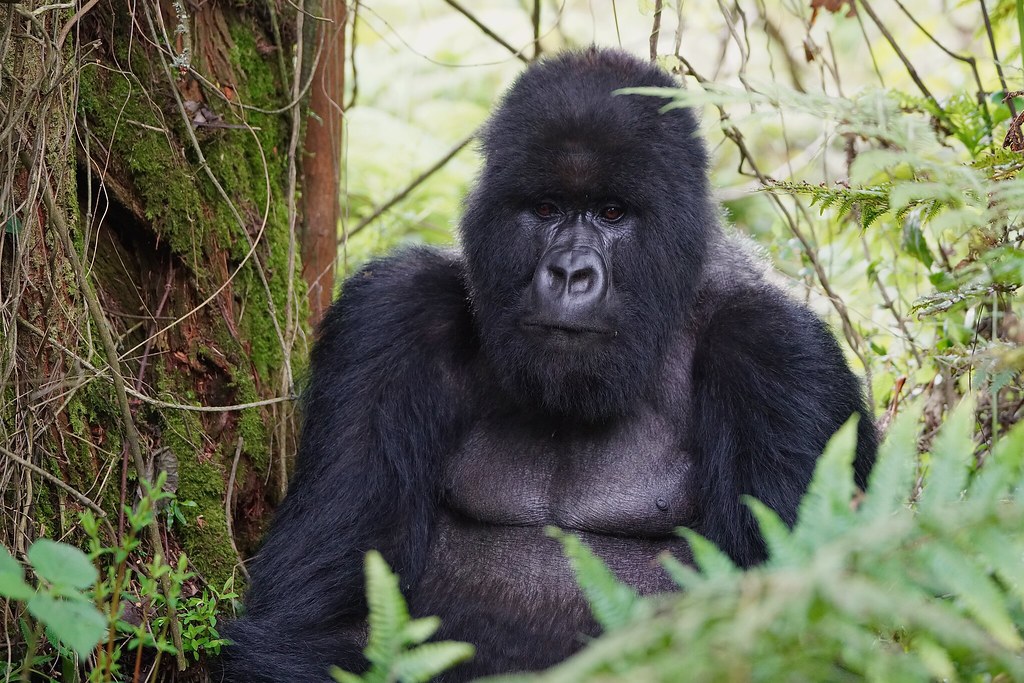
Buhoma is home to multiple habituated mountain gorilla families, and its established infrastructure, wide variety of lodges, and experienced ranger teams make it the preferred choice for first-time gorilla trekkers and seasoned safari enthusiasts alike.
Quick Facts: Buhoma Gorilla Trekking
| Category | Details |
| Location | Buhoma, Bwindi Impenetrable National Park, Kanungu District, Uganda |
| Altitude Range | 1,160 m – 2,607 m above sea level |
| Gorilla Families | Multiple habituated families (contact UWA for current list) |
| Permit Cost (2024–25) | USD 700 per person (foreign non-residents); USD 600 (foreign residents); UGX 250,000 (East African citizens) |
| Permit Issuer | Uganda Wildlife Authority (UWA) |
| Trek Duration | 2 – 8 hours (depending on gorilla location) |
| Group Size | Max 8 visitors per gorilla family per day |
| Time with Gorillas | Strictly 1 hour |
| Best Season | June – August & December – February (dry seasons) |
| Physical Rating | Moderate to Strenuous |
| Minimum Age | 15 years |
| Nearest Airstrip | Kihihi Airstrip (~35 km) & Kisoro Airstrip (~100 km) |
About Mountain Gorillas in Bwindi
The mountain gorilla (Gorilla beringei beringei) is one of the world’s most endangered great apes, with a global population estimated at approximately 1,063 individuals — all of them living in two isolated populations: the Virunga Massif (spanning Uganda, Rwanda, and the DRC) and Bwindi Impenetrable Forest. Bwindi alone is home to nearly half of the world’s total mountain gorilla population, making it an irreplaceable conservation stronghold.
Unlike their lowland relatives, mountain gorillas cannot survive in captivity, which makes trekking in the wild the only way to observe these magnificent animals. They are physically distinguished from other gorilla subspecies by their thicker, longer fur — an adaptation to the cold montane climate — as well as their broader faces and more robust builds.
Mountain gorillas live in cohesive social groups led by a dominant silverback male. The silverback — named for the distinctive patch of silver hair on his back that develops with maturity — makes all decisions for the group, mediates conflicts, and protects the family from predators. Groups in Bwindi typically range from 5 to over 30 individuals, encompassing silverbacks, blackbacks, adult females, juveniles, and infants.
Habituated Gorilla Families in Buhoma
Before gorilla families can be visited by tourists, they undergo a carefully managed process known as habituation. Rangers and researchers spend months or years gradually accustoming the gorillas to human presence, ensuring that the animals are relaxed and behave naturally during treks. Only fully habituated families are opened to tourism.
Buhoma sector currently hosts several well-established habituated gorilla families. Some of the historically significant families associated with Buhoma include:
- Mubare Family – The first ever habituated gorilla family in Bwindi, Mubare has been central to Buhoma’s trekking history since the sector opened in 1993.
- Habinyanja Family – A large and well-known group, Habinyanja has provided generations of trekkers with unforgettable sightings.
- Rushegura Family – A family that broke away from Habinyanja, Rushegura is known for ranging relatively close to the park headquarters, often making for shorter treks.
- Katwe Family – A newer habituation that has expanded trekking options in the northern Buhoma zone.
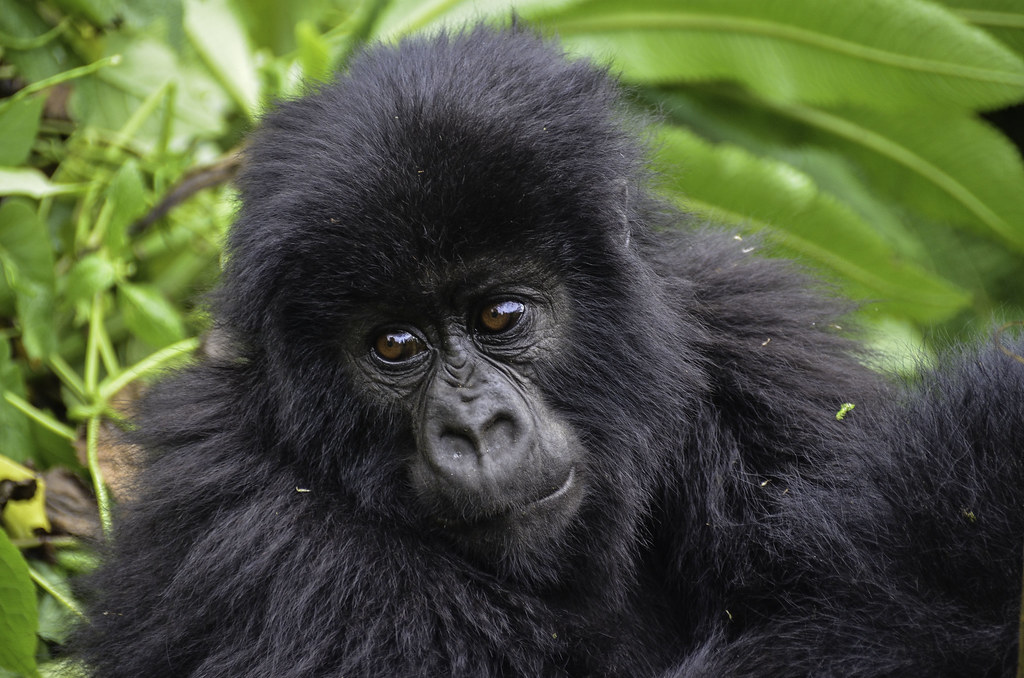
Note: The composition and naming of gorilla families change over time due to births, deaths, and group splits. Always confirm current available families with Uganda Wildlife Authority or your registered tour operator before booking.
Gorilla Trekking Permits
A gorilla trekking permit is an absolute requirement to enter the gorilla trekking zones in Bwindi. The permit grants access to track one specific habituated gorilla family and spend a maximum of one hour with them upon location.
Permit Pricing
As of 2024–2025, Uganda Wildlife Authority charges the following gorilla permit fees for Bwindi Impenetrable National Park:
- Foreign Non-Residents: USD 700 per person
- Foreign Residents (expatriates living in Uganda): USD 600 per person
- East African Citizens (Uganda, Kenya, Tanzania, Rwanda, Burundi): UGX 250,000 per person
Pro Tip: USD 50 per night is charged for gorilla habituation experience permits, which allow up to 4 hours with a semi-habituated gorilla family. This is a separate, more adventurous experience and costs USD 1,500 per person.
How and Where to Book
All gorilla trekking permits must be booked through the Uganda Wildlife Authority (UWA). Permits can be obtained through the following channels:
- Online via the UWA e-permit platform: booking.ugandawildlife.org
- Through UWA’s Kampala headquarters at Plot 7, Kira Road, Kamwokya
- Through a registered Uganda safari operator — this is the most recommended route, as operators can combine permit booking with accommodation, transport, and guiding logistics
Permits are in high demand, especially during peak seasons (June–August and December–February). It is strongly advisable to book permits at least 3–6 months in advance, particularly if travelling as part of a group or on a fixed itinerary.
Permit Cancellation & Refund Policy
UWA’s cancellation policies are subject to change. Generally, permits cancelled more than 60 days before the trek date may be eligible for a partial refund or reschedule. Cancellations within 60 days typically forfeit the permit fee. Always confirm current policies with UWA or your tour operator at the time of booking.
How to Prepare for Gorilla Trekking in Buhoma
Physical Fitness Requirements
Gorilla trekking in Buhoma ranges from moderate to strenuous, depending on the daily location of the gorilla family assigned to your group. The terrain inside Bwindi involves steep, muddy slopes, dense vegetation, river crossings, and unpredictable trail conditions. Treks can last anywhere from 2 hours to a full day — 8 hours is not uncommon.
While no specific level of athletic training is required, it is highly recommended that trekkers engage in cardiovascular exercise in the weeks leading up to their trek. Light hiking, jogging, or stair climbing will significantly improve your experience.
Note: Hikers with mobility issues or health concerns can hire a sedan chair (locally called a ‘stretcher’) carried by trained porters for an additional fee. Confirm availability in advance.
What to Pack: Essential Gear Checklist
- Long-sleeved shirts and long trousers (neutral, muted colours — avoid bright colours or camouflage)
- Waterproof rain jacket or poncho
- Sturdy, ankle-supporting hiking boots with good grip (already broken in)
- Gardening-style gloves for gripping vegetation
- Gaiters (highly recommended — they keep mud and safari ants out of your boots)
- Insect repellent (DEET-based recommended)
- Sunscreen and lip balm
- Wide-brimmed hat or buff
- Daypack (20–30 litres) with rain cover
- 2–3 litres of water and high-energy snacks
- Camera with extra batteries (no flash photography permitted near gorillas)
- Personal first aid kit and any prescribed medications
- Walking/trekking pole (optional but very useful on steep terrain)
Health & Medical Considerations
Mountain gorillas share approximately 98% of human DNA, making them susceptible to many of the same infectious diseases. For this reason, Uganda Wildlife Authority enforces strict health protocols for gorilla trekkers:
- Any trekker showing symptoms of illness — including colds, flu, diarrhoea, or respiratory infections — will not be permitted to trek. This rule is non-negotiable and exists to protect gorilla health.
- Trekkers must maintain a minimum distance of 7 metres from gorillas at all times.
- Eating and smoking are not permitted in the presence of gorillas.
- Sneezing or coughing near gorillas should be done into the inside of a sleeve, turned away from the animals.
- If you develop illness symptoms in the days before your trek, notify your tour operator immediately.
Recommended vaccinations for Uganda include Yellow Fever (required for entry), Typhoid, Hepatitis A and B, Meningitis, and Rabies (for extended stays). Malaria prophylaxis is also recommended. Consult your travel health physician at least 6–8 weeks before departure.
What to Expect on Trek Day
Morning Briefing at Buhoma Park Headquarters
Gorilla trekking days at Buhoma begin early. Trekkers gather at the Uganda Wildlife Authority park headquarters in Buhoma village by 7:30 AM for an orientation and briefing session. The briefing — typically led by a senior UWA ranger — covers:
- Rules and etiquette for behaviour in the presence of gorillas
- Health and safety protocols
- Assignment of trekking groups to specific gorilla families
- Information about the terrain and estimated duration for the day
This is also the time to hire a local porter, which is strongly recommended. Porters carry your daypack, assist you on steep climbs, and provide an invaluable steadying hand on difficult terrain. Porter fees are typically USD 15–20 for the full trek and represent a meaningful livelihood for the local community.
The Trek Itself
After the briefing, groups are led into the forest by trained UWA ranger guides and trackers. The trackers — who have often been out since dawn — maintain radio contact with the rangers and relay the gorillas’ last known position, dramatically reducing search time.
The forest environment is extraordinary. Bwindi is one of Africa’s oldest and most biodiverse rainforests, home to over 200 tree species, 350 bird species, 120 mammal species, and spectacular orchids and ferns. Even before you encounter gorillas, the trek itself is a rich wildlife and botanical experience.
As you approach the gorilla group, your guide will signal for silence and arrange the group in a compact line. The first sighting — often heralded by the cracking of branches or the deep rumble of a silverback’s belch — is a moment trekkers describe as profoundly moving.
The One Hour Encounter
Upon locating the gorilla family, the official one-hour visit begins. This hour is widely regarded as among the most extraordinary wildlife experiences on Earth. Gorillas in Bwindi are remarkably relaxed around humans, often foraging, playing, nursing infants, and moving through the undergrowth within just metres of the trekking group.
Common behaviours you may witness include:
- Silverback males chest-beating, vocalising, or displaying dominance
- Infants tumbling and wrestling in playful groups
- Females nursing young or grooming each other
- Sub-adults foraging on leaves, stems, bark, and wild celery
- The whole group moving through the forest in their characteristic knuckle-walking gait
Photography is freely allowed (without flash), and many trekkers consider a single gorilla encounter worth more than any photographic equipment they own. The emotional impact of eye contact with a mountain gorilla — an animal so genetically close to us, living freely in its natural home — is difficult to articulate.
Photography Tip: Bring a camera or smartphone with good low-light performance. The forest canopy filters a lot of light. A lens in the 50–200mm range gives you flexibility between group shots and close portraits.
After the Trek
After the encounter ends, your group follows the rangers back through the forest to the park edge. At the UWA headquarters, you will receive a gorilla trekking certificate — a cherished memento of the experience. Many operators also arrange a cultural performance or village walk with the local Batwa pygmy community in the afternoon.
Best Time to Trek Gorillas in Buhoma
Gorilla trekking is available year-round in Buhoma, but the experience varies significantly by season. Understanding Uganda’s climate will help you plan the optimal visit.
Dry Seasons (Best for Trekking)
The two dry seasons are generally considered the best times for gorilla trekking:
- June to August: Uganda’s longest dry season. This is peak tourist season, with firm trails, reduced rainfall, and excellent photography conditions. Book permits and accommodation many months in advance.
- December to February: A shorter dry period that coincides with the Christmas and New Year holiday season. Weather is typically pleasant, though December can still see some rainfall. Again, advance booking is essential.
Wet Seasons (Still Possible, More Challenging)
- March to May: The long rains. Trails become extremely muddy and slippery, leeches are abundant, and mist can reduce visibility and photography quality. However, the forest is lush and dramatically beautiful, and fewer tourists mean more intimate experiences and potentially easier permit availability.
- September to November: A shorter wet season. Conditions are mixed, with unpredictable rainfall. Some trekkers find this period offers a good balance of accessibility and crowd avoidance.
Year-Round Consideration: Mountain gorillas can be tracked in any month. Even in the wet season, most trekkers find the experience deeply rewarding. Rain gear, gaiters, and a waterproof camera case are essential wet-season additions.
Getting to Buhoma
By Road from Kampala
Buhoma is approximately 540 km from Kampala, Uganda’s capital city. The drive takes between 8 and 10 hours depending on road conditions and your route. Two main routes are commonly used:
- Via Kabale and Kisoro: This longer route (approximately 11–12 hours) passes through the scenic Lake Mburo area and the Kabale highlands before reaching Buhoma from the south.
- Via Mbarara and Kihihi: The more direct and commonly preferred route. Drive south from Kampala on the Masaka–Mbarara highway, then northwest toward Ishaka, Rukungiri, and Kihihi before turning south into Buhoma. This route takes approximately 8–10 hours.
Self-Drive Tip: A 4×4 vehicle is strongly recommended for travel to Buhoma. The final access roads, particularly in and around Kanungu District, can be rough and become seriously deteriorated during heavy rains. High clearance and 4-wheel drive capability are essential for self-drive travellers.
By Scheduled Charter Flight
Several Ugandan charter airlines operate scheduled and on-demand flights from Entebbe International Airport or Kajjansi Airstrip (Kampala) to Kihihi Airstrip, located approximately 35 km north of Buhoma. Flight time is approximately 1 hour, compared to a full day of driving. Operators such as Aerolink Uganda and BAR Aviation offer these services. Ground transfers from Kihihi Airstrip to Buhoma take around 45–60 minutes on a rough road.
Kisoro Airstrip, farther south at approximately 100 km from Buhoma, is another option — particularly useful for travellers combining Buhoma with Nkuringo sector or cross-border gorilla trekking in Rwanda.
From Kigali, Rwanda
Buhoma is accessible from Kigali, Rwanda in approximately 5–6 hours by road via Kabale and Kisoro (entering Uganda through the Cyanika border post). This route is very popular with travellers combining Rwanda’s Volcanoes National Park gorilla trekking with Uganda’s Bwindi experience.
Where to Stay in Buhoma
Buhoma offers the widest and most established range of accommodation of any sector in Bwindi, from ultra-luxury forest lodges to budget banda guesthouses. Staying within or immediately adjacent to the park significantly enhances the experience — evening birdsong, nighttime forest sounds, and the sensation of sleeping at the edge of the world’s most ancient forest are all part of the magic.
Luxury Lodges
- Bwindi Lodge (andBeyond) – One of Africa’s most iconic gorilla lodges, perched on a ridge above Buhoma village with sweeping forest views. All-inclusive with exceptional service and guided forest walks.
- Mahogany Springs Lodge – An intimate, award-winning lodge with stunning ridge-top positioning, private forest decks, and a strong conservation ethos.
- Volcanoes Bwindi Lodge – Elegant tented suites in a verdant forest setting, with strong community ties and excellent ranger-guided activities.
Mid-Range Options
- Buhoma Community Rest Camp – A community-owned camp offering comfortable bandas and cottages. Staying here directly supports the Buhoma Community Trust, which funds local schools and healthcare.
- Gorilla Safari Lodge – Comfortable, well-positioned accommodation with good forest views and reliable service, popular with group tour operators.
- Nkuringo Bwindi Gorilla Lodge – A little farther afield but beloved for its spectacular panoramic views across the forest canopy.
Budget Accommodation
- Buhoma Community Camp bandas and campsites – Simple but functional, with shared facilities, and an unbeatable community connection.
- Various guesthouses in Buhoma village – Basic local guesthouses offer affordable overnight options for budget-conscious travellers.
Booking Advice: During peak season (June–August), luxury lodges around Buhoma can sell out 6–12 months in advance. Budget travellers should also reserve early, especially if permits are already secured for specific dates.
Combining Buhoma with Other Destinations
Suggested 5-Day Buhoma Gorilla Safari
- Day 1: Depart Kampala or Entebbe early morning. Drive via Mbarara and Rukungiri to Buhoma (8–10 hours). Afternoon arrival, check in, evening briefing.
- Day 2: Gorilla trekking — full day experience. Afternoon: Batwa Cultural Experience or forest nature walk.
- Day 3: Optional second gorilla trek (book separate permit) or chimpanzee tracking in Kyambura Gorge (Queen Elizabeth NP). Alternatively, full-day birding in Bwindi.
- Day 4: Morning at leisure. Depart after lunch toward Kampala or Queen Elizabeth National Park for game drives.
- Day 5: Return to Kampala/Entebbe or continue safari.
Combining with Queen Elizabeth National Park
Queen Elizabeth National Park is approximately 2–3 hours north of Buhoma via Kihihi. This combination is one of Uganda’s classic safari itineraries, pairing gorilla trekking with big-game savanna safaris, boat cruises on the Kazinga Channel, and tree-climbing lions in Ishasha sector.
Combining with Rwanda (Volcanoes National Park)
From Buhoma, the Cyanika border crossing into Rwanda is approximately 2.5–3 hours. Rwanda’s Volcanoes National Park is 1.5 hours beyond the border. A combined Uganda–Rwanda gorilla itinerary allows trekkers to experience gorillas in both countries — a bucket-list experience for primate enthusiasts. Rwanda’s permit costs USD 1,500 per person.
Conservation & Community Impact
Gorilla trekking is not simply a tourist activity — it is a cornerstone of conservation funding and community development in one of Uganda’s most remote and historically underserved regions.
Uganda Wildlife Authority allocates 20% of all gorilla permit revenue directly to communities adjacent to the park through the Revenue Sharing Programme. These funds finance schools, boreholes, medical facilities, and community infrastructure in Kanungu District. Tourism has played a central role in reversing historical tensions between local communities and the park — transforming perceptions from a fence that blocked farmland into a source of livelihood and community pride.
The Buhoma Community Trust, founded in 1993 alongside the launch of gorilla tourism, was one of Africa’s earliest community-based conservation organisations. Its programmes continue to deliver tangible benefits to Buhoma village and surrounding communities.
Conservation successes speak for themselves: the mountain gorilla is one of the only great ape species whose population is increasing rather than declining. The 2018 IUCN reclassification of mountain gorillas from Critically Endangered to Endangered reflected meaningful, measurable progress — driven in significant part by tourism revenues funding anti-poaching patrols, veterinary care, and habitat protection.
Responsible Trekking: Choose tour operators who are members of the Association of Uganda Tour Operators (AUTO) or Uganda Tourism Board (UTB) accredited companies. Responsible operators ensure guides are licensed, that community levies are paid, and that conservation best practices are upheld.
Top Tips for a Memorable Buhoma Gorilla Trek
- Book your permit 3–6 months in advance. Buhoma is the most popular sector and permits sell quickly, especially in peak season.
- Hire a porter. It is one of the best investments you can make for your trek. Porters carry your pack, help you on steep terrain, and their knowledge of the forest is invaluable.
- Wear gaiters. The red Bwindi mud is relentless, and safari ants are everywhere. Gaiters protect both your boots and your ankles.
- Go slowly on the descent. Most trekking injuries occur when tired walkers rush the downhill return. Take your time.
- Charge all electronics the night before. Many lodges and guesthouses have limited power availability during the day.
- Leave your bright colours at the lodge. Neutral earth tones — khaki, olive, brown, grey — are ideal for blending into the forest environment.
- Respect the one-hour rule. When the ranger signals that time is up, move away promptly. Extensions are not granted.
- Be patient in the forest. Some treks take 20 minutes, others take 7 hours. Trust the trackers and embrace the journey.
- Carry more water than you think you need. Physical exertion at altitude dehydrates you faster than expected.
- Be present. Put the camera down occasionally and simply exist in the moment with these magnificent animals.
Frequently Asked Questions
Is gorilla trekking safe?
Yes. Habituated gorillas are relaxed in the presence of humans and rarely display aggression. Rangers are trained to manage any situations that arise, and serious incidents are extremely rare. Following ranger instructions at all times is essential.
Can I do gorilla trekking if I am not very fit?
Many people of varying fitness levels complete gorilla treks in Buhoma, including older travellers. Some treks are shorter and less demanding than others, depending on the gorilla family and their location that day. Hiring a porter significantly reduces physical strain. Inform your guide of any health conditions before the trek begins.
What happens if it rains during my trek?
Gorilla trekking proceeds rain or shine. The forest provides some natural shelter, but you should always be prepared with a quality waterproof jacket. Wet season treks have their own beauty — the forest is extraordinarily lush and mist-shrouded, and you are likely to have the experience with far fewer fellow trekkers.
Can children go gorilla trekking?
Children under 15 years of age are not permitted to trek gorillas in Uganda, as per Uganda Wildlife Authority regulations. This age restriction exists to protect both the children and the gorillas.
Can I take photos?
Photography is freely permitted during the encounter. Flash photography is strictly prohibited, as it distresses the gorillas. Video recording is also permitted. It is recommended to use a camera or phone with good low-light performance.
What should I do if a gorilla charges at me?
Your ranger guide will prepare you for this in the morning briefing. If a gorilla charges, do not run. Remain still, crouch down, avert your eyes, and appear non-threatening. Charges are almost always mock displays of dominance and do not result in contact when proper behaviour is observed. Follow your ranger’s instructions immediately and without hesitation.