Nkuringo Sector, Bwindi Impenetrable National Park
Perched on a high ridge above the southern edge of Bwindi Impenetrable Forest, Nkuringo is the sector for travellers who want their gorilla encounter with a side of real adventure and some of the finest views in Uganda. This guide covers everything you need to plan a Nkuringo gorilla trek: where it is, how hard the hike really is, the habituated gorilla families, current permit prices, how to get there by road or air, where to stay, what else to do, and how to prepare.
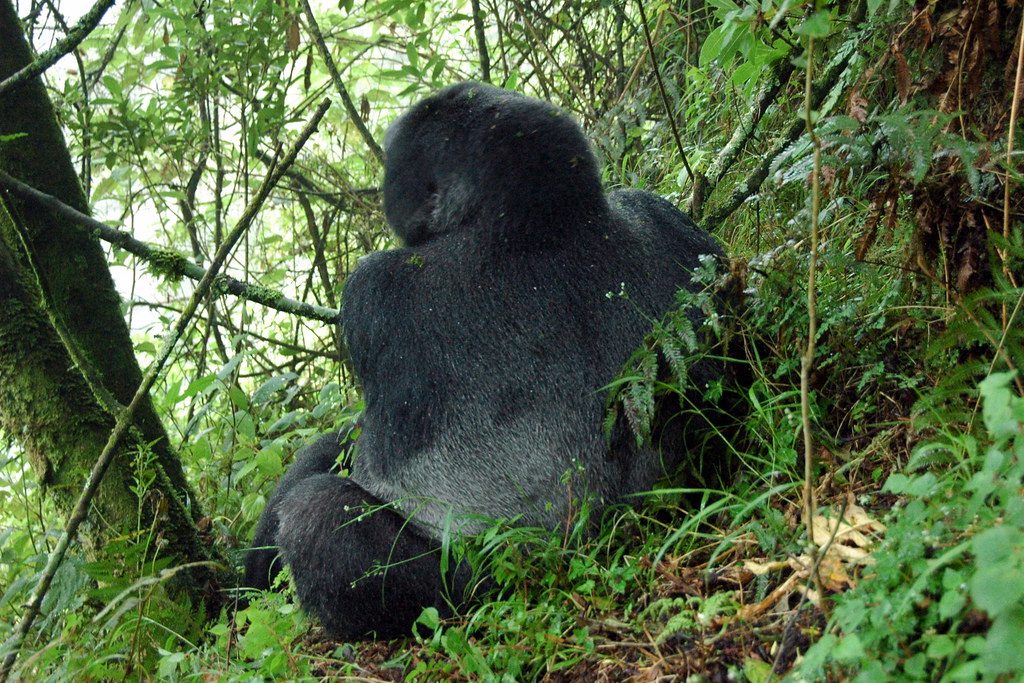
| Nkuringo at a Glance
Location: Southern Bwindi Impenetrable National Park, Kisoro District, southwestern Uganda Altitude: Trailheads sit on a ridge at roughly 2,000–2,100 m above sea level Habituated gorilla families: Nkuringo, Bushaho and Christmas (allocations can change; confirm when booking) Trek difficulty: Strenuous — the steepest and most demanding of Bwindi’s four sectors Gorilla permit (foreign non-resident): US$800; US$600 in the April, May and November low-season months Nearest town and airstrip: Kisoro, about 1–1.5 hours by road Best for: Fit, adventurous trekkers, photographers and travellers arriving from Kigali |
Where Is Nkuringo Sector?
Bwindi Impenetrable National Park covers about 321 square kilometres of montane and lowland rainforest in southwestern Uganda, and it is home to roughly half of the world’s remaining mountain gorillas. To manage tourism, the Uganda Wildlife Authority (UWA) divides the park into four trekking sectors: Buhoma in the north, Ruhija in the east, and Rushaga and Nkuringo in the south.
Nkuringo sits on the southwestern edge of the park in Kisoro District, close to the borders with Rwanda and the Democratic Republic of Congo. The sector takes its name from the Rukiga word for a rounded hill, a nod to the ridge on which the trekking briefing point and most lodges sit. From that ridge the land falls away sharply into the Kashasha River valley, and on clear mornings you can see across the forest canopy on one side and to the volcanic cones of the Virunga Mountains — Muhavura, Mgahinga and Sabyinyo — on the other.
Of all Bwindi’s sectors, Nkuringo feels the most remote. Visitor numbers are lower than in Buhoma or Rushaga, the villages around it are small farming communities, and the drama of the landscape is hard to match anywhere else in Uganda.
A Brief History of Gorilla Tourism in Nkuringo
Gorilla tourism in Nkuringo began in 2004, when the Nkuringo gorilla family was opened to visitors after several years of habituation. The group was known for raiding crops in the farmland outside the park, so opening it to tourism was tied closely to community conservation. The Nkuringo Conservation and Development Foundation (NCDF) was set up to channel tourism revenue into local projects and to create a community-managed buffer zone between the forest and the farms. Two further families, Bushaho and Christmas, have since been added, increasing the number of daily permits in the sector.
Gorilla Families in Nkuringo Sector
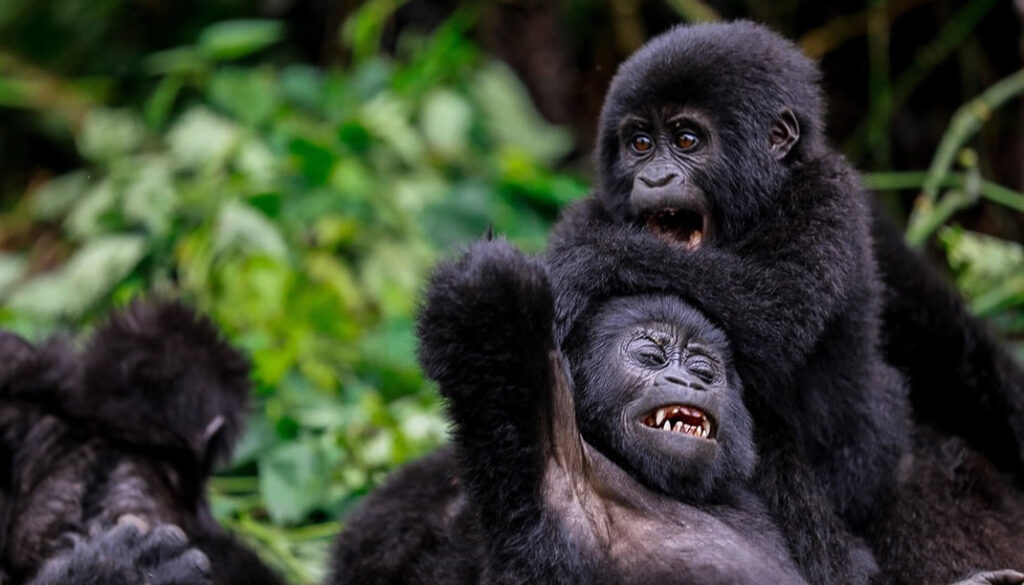
Each habituated gorilla family in Bwindi can be visited by a maximum of eight trekkers per day, for one hour once the group has been located. Nkuringo currently offers three habituated families for standard trekking. Group sizes change over time through births, deaths and individuals moving between groups, so treat the details below as a guide.
| Family | Background | What to Know |
| Nkuringo | The original group, opened to tourism in 2004 and named after the hill. Led over the years by several silverbacks, including the famous Rafiki. | Often ranges in the steep valleys below the ridge; treks can be long and demanding. |
| Bushaho | A newer group formed after a split, habituated and opened to trekkers more recently. | Adds capacity to the sector and often ranges in the forest between Nkuringo and Rushaga. |
| Christmas | Named after its silverback, who was born on Christmas Day. One of the more recent additions. | Movements vary with the season and food availability. |
| Booking Tip
You buy a permit for a sector, and UWA rangers assign trekkers to a specific family on the morning of the trek. If you have limited fitness or mobility, tell the rangers at the briefing — they will try to assign you to the family expected to be closest that day. |
Gorilla Trekking in Nkuringo: What to Expect
How Difficult Is the Nkuringo Trek?
Nkuringo has the strongest reputation for difficulty in Bwindi, and it is earned. Because the briefing point is high on the ridge and the gorillas usually feed in the forest below, most treks begin with a steep descent down open hillsides and into dense forest. The hard part comes at the end: once your hour with the gorillas is over, you climb back up the same slopes, often in the heat of the early afternoon.
A typical Nkuringo trek lasts between three and eight hours in total, though very short and very long days both happen. The altitude, the muddy ground in the wet season and the gradients all add to the effort. That said, people of ordinary fitness complete the trek every day with the help of walking sticks, porters and a steady pace. The key is to be honest about your fitness and to prepare.
A Typical Trekking Day, Step by Step
- Early breakfast (6:00–7:00 am). Eat a solid meal and pack your lunch, water and rain gear.
- Briefing at the Nkuringo park office (7:30–8:00 am). Rangers check permits and passports, explain gorilla etiquette and allocate families. Expect traditional dance performances by local community groups.
- Meet your porter. Porters from the local community carry your daypack and help on steep sections for a fee of about US$15–20. Hiring one is strongly recommended in Nkuringo and directly supports local families.
- Trek into the forest. Advance trackers have usually located the group from where it nested the night before, and they guide your ranger by radio.
- One hour with the gorillas. Once you reach the family, put down bags and sticks and spend a magical hour watching the silverback, females and young feed, play and rest.
- Return and certificate. Climb back to the ridge, where you receive a gorilla trekking certificate at the park office.
Gorilla Trekking Rules
- Keep a distance of at least 7–10 metres from the gorillas, and wear a face mask if rangers ask you to.
- Trekkers must be 15 years or older. Do not trek if you have a cold, flu or other contagious illness, as gorillas are vulnerable to human diseases.
- Use flash-free photography only, speak quietly, and do not eat, drink or smoke near the gorillas.
- If a gorilla charges or approaches, stay still, crouch slowly, look down and follow your ranger’s lead.
- Bury or carry out all waste, and if you need to cough or sneeze, turn away and cover your mouth.
Gorilla Permit Prices for Nkuringo (2026–2027)
Gorilla permits are issued by the Uganda Wildlife Authority and are the same price in every Bwindi sector. A permit covers your park entrance, a ranger guide and one hour with the gorillas. The rates below apply to the current UWA tariff period; UWA has introduced discounted trekking permits for the low-season months of April, May and November.
| Visitor Category | Standard Trekking (High Season) | Trekking (Apr, May, Nov) |
| Foreign non-resident | US$800 | US$600 |
| Foreign resident | US$700 | US$500 |
| Other African passport holders | US$500 | US$500 |
| East African citizens | UGX 300,000 | UGX 300,000 |
Gorilla Habituation Experience
The Gorilla Habituation Experience lets a small group of up to four visitors spend around four hours with a gorilla family that is still being habituated, accompanied by researchers and trackers. In southern Bwindi it is centred on Rushaga, and it has also been offered in Nkuringo — availability changes, so confirm the sector when booking. The foreign non-resident rate is US$1,500 through the end of 2026 and rises to US$1,800 from 1 January 2027 (US$1,600 for foreign residents).
| How to Book Your Nkuringo Permit
Permits are limited — just eight per family per day — so book three to six months ahead for June to September and December to February. You can book through the UWA reservations system with a deposit, or through a licensed tour operator such as Marriott Safaris Africa, which can secure the permit, transport and lodge in one booking. Permit prices and policies can change, so always confirm current rates before paying. |
Best Time to Visit Nkuringo
Gorilla trekking runs all year, but the weather strongly affects how hard a Nkuringo trek feels. Bwindi is a rainforest, so expect rain at any time, but the slopes are much easier to manage in the drier months.
| Season | Months | Conditions | Our Take |
| Long dry season | June – September | Drier trails, cool mornings, peak demand | Best trekking conditions; book well ahead |
| Short dry season | December – February | Mostly dry, warm days, good visibility | Excellent for views of the Virungas |
| Long rains | March – May | Heavy rain, muddy and slippery slopes | Cheaper permits in April and May; lush forest |
| Short rains | October – November | Afternoon showers, green landscapes | Fewer visitors; November permit discount |
How to Get to Nkuringo Sector
Nkuringo is remote, and the final stretch of road is steep, unpaved and slippery in the rain, so a 4×4 vehicle is strongly recommended. Allow plenty of time: you need to be at the briefing point by 7:30–8:00 am, which usually means sleeping in or very near Nkuringo the night before.
| Starting Point | Approx. Travel Time | Route Notes |
| Kampala / Entebbe | 9–10 hours by road | Via Masaka, Mbarara and Kabale to Kisoro, then up to Nkuringo. Best split with a night at Lake Mburo or Lake Bunyonyi. |
| Kigali, Rwanda | 4–5 hours by road | Via Musanze and the Cyanika border crossing to Kisoro. Often the quickest overland route. |
| Kisoro town | 1–1.5 hours | Steep, winding murram road up to the Nkuringo ridge. |
| Kabale / Lake Bunyonyi | 3–4 hours | Via Kisoro, or the scenic but rougher route through Rubuguri. |
| Rushaga sector | 1–1.5 hours | Via Rubuguri; useful for combining treks in both southern sectors. |
| Buhoma sector | 4–6 hours by road, or 4–7 hours on foot | Long drive around the park, or hike the Ivi River Trail through the forest. |
Flying to Nkuringo
Domestic scheduled and charter flights connect Entebbe International Airport (and sometimes Kajjansi Airfield) with Kisoro Airstrip in about two hours, often with a stop. From Kisoro, your lodge or driver-guide will transfer you up to Nkuringo in roughly an hour. Flying saves a full day each way and is a popular choice for shorter, higher-end trips.
| Self-Drive Tips for Nkuringo
Rent a proper 4×4 such as a Toyota RAV4, Land Cruiser Prado or Land Cruiser 70-series — not a saloon car. Fill up with fuel in Kabale or Kisoro; there are no reliable fuel stations near Nkuringo. Avoid driving the last stretch after dark, and drive slowly on the hairpin bends. Do a test drive to the park office the evening before your trek so you know the route and timing. |
Where to Stay in Nkuringo
Accommodation in and around Nkuringo ranges from one of Uganda’s top luxury lodges to simple community camps. Many lodges sit right on the ridge, so the views come as standard. Lake Mutanda and Kisoro are good alternatives if you are combining Nkuringo with other activities, but remember to factor in the extra drive on trekking morning. Rates vary by season, so check current prices when booking.
| Tier | Lodge | Highlights |
| Luxury | Clouds Mountain Gorilla Lodge | Stone cottages on the ridge, fireplaces, personal butlers and panoramic views over the forest and Virungas. Community-owned land. |
| Mid-range | Nkuringo Bwindi Gorilla Lodge | Comfortable cottages and rooms close to the trailhead, with strong community links and a relaxed atmosphere. |
| Mid-range | Gorilla Heights Lodge | Hilltop lodge with spacious cottages and big views; a short drive from the park office. |
| Mid-range (nearby) | Chameleon Hill Lodge, Lake Mutanda | Colourful, characterful lodge above Lake Mutanda; a good base for canoeing and volcano views. |
| Budget | Community camps and guesthouses | Simple rooms, bandas and campsites near Nkuringo; ideal for self-drive and ground-tent travellers. |
Things to Do in and Around Nkuringo
1. Gorilla Trekking
The main reason to visit, and in Nkuringo it comes with a real sense of achievement and unforgettable scenery along the way.
2. The Ivi River Trail to Buhoma
This forest walk of about 14 km follows an old route through the heart of Bwindi between Nkuringo and Buhoma, taking roughly four to seven hours. It is a superb way to experience the forest without the pressure of finding gorillas, with chances of monkeys, forest birds and butterflies. Many travellers trek gorillas in Nkuringo, walk to Buhoma, and have their vehicle meet them on the other side.
3. Community and Cultural Walks
Guided village walks introduce local farming life, traditional healers, blacksmiths and banana-beer brewing. You can also visit local schools and craft groups supported by tourism revenue. Cultural encounters with the Batwa, the former forest-dwelling people of the Bwindi and Mgahinga area, can be arranged nearby.
4. Lake Mutanda
One of Uganda’s most beautiful lakes lies between Nkuringo and Kisoro, dotted with islands and framed by the Virunga volcanoes. Dugout canoe trips, island visits and walks along the shore make for a relaxing day before or after your trek.
5. Birdwatching
Bwindi is one of Africa’s top birding destinations, with many Albertine Rift endemics. Nkuringo’s forest edges and village farmland offer good birding, and keen birders often combine it with Ruhija for the best chances of special species.
6. Mgahinga Gorilla National Park
About an hour from Kisoro, Mgahinga offers golden monkey tracking, volcano hikes up Muhavura, Gahinga and Sabyinyo, and an additional gorilla family — an easy add-on to a Nkuringo trip.
Sample 3-Day Nkuringo Gorilla Trekking Itinerary
| Day | Plan | Overnight |
| Day 1 | Fly from Entebbe to Kisoro (or drive from Kigali via Cyanika). Afternoon canoe on Lake Mutanda, then transfer up to Nkuringo for sunset over the Virungas. | Nkuringo |
| Day 2 | Early breakfast and briefing, followed by gorilla trekking. Afternoon rest or a short village walk. | Nkuringo |
| Day 3 | Hike the Ivi River Trail to Buhoma, or drive back to Kisoro for your flight or onward journey to Kigali. | Buhoma / departure |
What to Pack for a Nkuringo Gorilla Trek
- Waterproof hiking boots with good grip, broken in before your trip.
- Long trousers and long-sleeved shirt to protect against nettles, thorns and insects; tuck trousers into socks.
- Lightweight rain jacket, as rain can fall at any time of year.
- Gardening gloves for gripping vegetation on the steep slopes.
- Daypack with rain cover, 2–3 litres of water, packed lunch and energy snacks.
- Camera with spare batteries; remember flash is not allowed.
- Passport, gorilla permit and a little cash for porters and tips.
- Insect repellent, sunscreen and a hat, plus any personal medication.
Fitness and Health Tips
Start preparing a few weeks before your trip with regular walks on hilly terrain, stair climbing and some light leg strengthening. At the trek itself, the best advice is simple: walk slowly, drink often, hire a porter and use a walking stick (usually provided free at the briefing). Ask rangers about the sedan-chair service — sometimes called a “Bwindi helicopter” — if you have reduced mobility.
A yellow fever vaccination certificate is required to enter Uganda, and malaria prophylaxis is recommended. Comprehensive travel insurance that covers medical evacuation is strongly advised for remote areas such as Nkuringo.
Nkuringo vs. Other Bwindi Sectors
| Sector | Location | Difficulty | Best For |
| Nkuringo | Southwest | Strenuous | Adventure, scenery, photography, travellers from Kigali |
| Rushaga | South | Moderate to strenuous | Most gorilla families, habituation experience |
| Ruhija | East | Moderate to strenuous | Birdwatching, quieter high-altitude trails |
| Buhoma | North | Moderate | First-timers, easiest access, most lodges |
Conservation and Community Impact
Your permit fee does much more than pay for an hour with the gorillas. A share of park revenue goes to communities around Bwindi, funding schools, health centres, roads and water projects. In Nkuringo, community-run initiatives and the buffer zone help reduce conflict between gorillas and farmers. Hiring porters, buying local crafts and staying at community-linked lodges all keep more of your spending in the area, giving local people a direct stake in protecting the forest.
Frequently Asked Questions
Is Nkuringo the hardest sector in Bwindi?
It is generally considered the most physically demanding, because treks start high on a ridge and usually descend steeply before climbing back up. With a steady pace, a porter and a walking stick, most reasonably fit visitors complete it.
How much is a gorilla permit in Nkuringo?
The same as in all Bwindi sectors: US$800 for foreign non-residents, US$700 for foreign residents, US$500 for other African passport holders and UGX 300,000 for East African citizens. Discounted permits of US$600 and US$500 apply in April, May and November for non-residents and residents.
How many gorilla families are in Nkuringo?
Currently three habituated families — Nkuringo, Bushaho and Christmas — each visited by up to eight trekkers per day.
Can I do a gorilla trek in Nkuringo from Kigali?
Yes. Nkuringo is roughly four to five hours from Kigali via the Cyanika border, making it a popular choice for travellers who want Uganda’s lower permit price while flying into Rwanda. An overnight near the park before your trek is strongly recommended.
Is the Gorilla Habituation Experience available in Nkuringo?
It has been offered in Nkuringo, but in southern Bwindi it is mainly run from Rushaga. Availability changes, so confirm the sector when booking.
Do I need a 4×4 to reach Nkuringo?
Yes, a 4×4 is strongly recommended. The road up from Kisoro and the routes through Rubuguri are steep, unpaved and slippery during the rains.
Can I combine Nkuringo and Rushaga?
Yes. The two southern sectors are about an hour apart, so a double gorilla trek in Nkuringo and Rushaga is easy to arrange.
Plan Your Nkuringo Gorilla Safari
Nkuringo rewards those who make the effort with one of Africa’s most memorable wildlife encounters, set against a backdrop of mist-filled valleys and distant volcanoes. Whether you prefer a guided safari with flights and luxury lodges, or a self-drive adventure in a 4×4 with a rooftop tent, the team at Marriott Safaris Africa can help you secure permits, plan your route and make the most of every day in Uganda’s gorilla highlands.
| Ready to Trek in Nkuringo?
Contact Marriott Safaris Africa to check permit availability, request a tailored itinerary or book a 4×4 for your self-drive gorilla safari. Perfection Anytime. |