
Buhoma Sector, Bwindi Impenetrable National Park
The Complete Guide to Gorilla Trekking, Activities, Lodges and Travel Logistics in Bwindi’s Original Trekking Hub
Buhoma Sector, Tucked into the northern edge of Bwindi Impenetrable National Park, the Buhoma Sector is where Uganda’s gorilla tourism story began. In 1993 the Mubare family became the first mountain gorilla group in Uganda opened to visitors, and three decades later Buhoma remains the park’s busiest, best-equipped and most accessible trekking base. Its lower altitude, gentler terrain, wide spread of lodges and easy link to Queen Elizabeth National Park make it the first choice for many first-time trekkers and for travellers combining gorillas with a classic savannah safari.
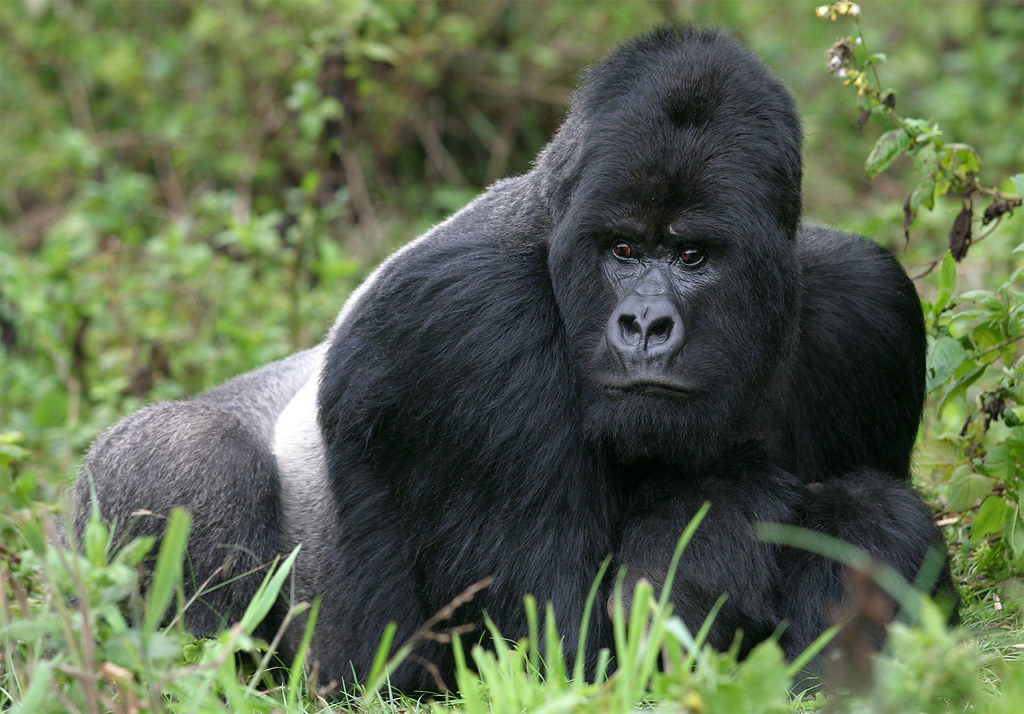
This guide covers everything you need to plan a Buhoma trip: where it is, the habituated gorilla families, what a trekking day looks like, 2026–2027 permit prices, other activities, the best time to visit, how to get there by road or air, where to stay at every budget, and how Buhoma compares with Bwindi’s other three sectors.
Buhoma Sector at a Glance
| Fact | Details |
| Location | Northern Bwindi Impenetrable National Park, Kanungu District, south-western Uganda |
| Altitude | Roughly 1,450–1,500 m at the trailhead, one of the lowest trekking starts in Bwindi |
| Habituated gorilla families | Mubare, Habinyanja, Rushegura, Katwe and Muyambi (assignments can change) |
| Gorilla permit (foreign non-resident) | US$800 standard; US$600 in April, May and November (low-season rate) |
| Daily trekkers per family | Maximum 8 visitors, one hour with the gorillas |
| Typical trek duration | 2–6 hours return, depending on where the family has moved |
| Nearest airstrip | Kihihi Airstrip, about 1 hour’s drive |
| Drive from Kampala | About 9–10 hours (roughly 470 km) via Mbarara and Rukungiri |
| Drive from Ishasha (Queen Elizabeth NP) | About 2–3 hours |
| Best for | First-time trekkers, moderate fitness, combining with Queen Elizabeth NP, wide lodge choice |
Where Is the Buhoma Sector?
Bwindi Impenetrable National Park covers about 331 km² of ancient montane and lowland rainforest along Uganda’s border with the Democratic Republic of Congo. Gorilla trekking is managed through four sectors, each with its own trailhead, ranger post and gorilla families: Buhoma in the north, Ruhija in the east, and Rushaga and Nkuringo in the south.
Buhoma sits at the park’s northern boundary in Kanungu District, at the end of a valley where the forest meets tea gardens, banana plantations and the lively trading centre of Buhoma village. The Munyaga River runs through the sector, and from many lodge decks you look straight into a wall of forest rising steeply toward the Congo border.
A Short History
Bwindi was gazetted as a national park in 1991 and declared a UNESCO World Heritage Site in 1994 for its exceptional biodiversity. Buhoma was the original park headquarters and the site of Uganda’s first gorilla habituation programme. When the Mubare group opened to tourists in 1993, it launched one of Africa’s most successful conservation-tourism models. Permit revenue funds ranger patrols and veterinary monitoring, while a share of park income goes to surrounding communities through revenue-sharing schemes.
Because it was first, Buhoma developed the most mature tourism infrastructure in Bwindi: the widest choice of lodges, community projects, a hospital, craft shops and well-maintained trails. That maturity is a large part of its appeal.
Why Choose Buhoma for Gorilla Trekking?
- Gentler terrain, usually. The trailhead sits lower than Ruhija and Nkuringo, and many treks follow valley paths before climbing. Gorillas still roam widely, so no trek is guaranteed to be easy, but on average Buhoma is a forgiving choice.
- The easiest link to Queen Elizabeth National Park. The road via Ishasha, home of the famous tree-climbing lions, reaches Buhoma in two to three hours.
- Best range of accommodation. From community-run bandas to some of Uganda’s most celebrated luxury lodges, many within walking distance of the briefing point.
- Five habituated families. More families mean more daily permits, which helps when dates are tight.
- Rich extras. Waterfall walks, the Buhoma–Nkuringo trail, Batwa cultural visits, community walks and excellent forest birding fill rest days easily.
- Air access. Kihihi Airstrip is about an hour away, so you can fly from Entebbe and skip the long road transfer.

| Who Buhoma Suits Best
Buhoma is ideal for travellers who want comfort and convenience, who are combining gorillas with Queen Elizabeth National Park, or who have moderate fitness. If you are approaching Bwindi from Kigali or Kabale, the southern sectors (Rushaga and Nkuringo) are usually closer, and if you want the Gorilla Habituation Experience you will need Rushaga, the only sector that offers it. |
Gorilla Families in the Buhoma Sector
The Uganda Wildlife Authority (UWA) assigns trekkers to a family on the morning of the trek, taking fitness and age into account where possible. Group sizes change through births, deaths and transfers, so treat the notes below as indicative.
| Family | Background | What to Expect |
| Mubare | Uganda’s first habituated family, opened to visitors in 1993 and named after the Mubare Hills where it was first seen. | A smaller group after years of change; often ranges near the Buhoma valley. |
| Habinyanja | Opened in 1999. The name refers to a “place with water”, after the swamp where it was first found. | A larger family with lively dynamics; treks can be longer as it ranges widely. |
| Rushegura | Formed in 2002 when a silverback split from Habinyanja; named after a tree common in its range. | Known as calm and relaxed; sometimes wanders outside the park near lodges. |
| Katwe | A more recently habituated group in the Buhoma area. | Trek length varies; ask your guide about recent movements. |
| Muyambi | Formed around a silverback that left the Mubare group. | Small family; trek length depends on its location. |
Each family can be visited by a maximum of eight people per day, for one hour once they are found. The one-hour rule protects the gorillas from stress and from human-borne disease, to which they are highly susceptible.
What a Gorilla Trekking Day in Buhoma Looks Like
| Time | What Happens |
| 6:30–7:00 am | Early breakfast at your lodge; pack water, rain jacket, lunch box and gloves. |
| 7:30 am | Report to the UWA briefing point at the Buhoma park office with your passport and permit. A local group often welcomes visitors with song and dance. |
| 8:00 am | Ranger briefing on rules and gorilla etiquette, family allocation and porter hire. |
| 8:30 am | Drive or walk to the trailhead and begin tracking. Advance trackers, out since dawn, radio the gorillas’ position. |
| Late morning to early afternoon | Reach the family and spend one unforgettable hour observing them at a distance of at least 7–10 metres. |
| Afternoon | Hike back out, receive your gorilla trekking certificate, then relax or join a village walk. |
| Hire a Porter – It Matters
Porters cost around US$15–20 per trek, paid directly, plus an optional tip. They carry your daypack and steady you on steep or muddy slopes, and they come from local communities for whom this work is a valuable income. Hiring one is one of the most practical and ethical choices you can make. |
Gorilla Permit Prices and Booking
Gorilla permits are issued only by the Uganda Wildlife Authority, either directly or through a licensed tour operator. The permit covers park entry for the day, ranger guides and trackers, and one hour with a habituated family.
| Visitor Category | Standard Rate | Low-Season Rate (Apr, May, Nov) |
| Foreign Non-Resident | US$800 | US$600 |
| Foreign Resident | US$700 | US$500 |
| East African Citizen | UGX 300,000 | Confirm with UWA |
| 2027 Price Changes – Read Before You Book
UWA has announced a revised conservation tariff effective 1 January 2027. Several operators report that the standard trekking permit stays at US$800, while the Gorilla Habituation Experience (Rushaga only) rises from US$1,500 to US$1,800 for foreign non-residents. Some sources have instead reported a standard permit rise to US$1,000, so reports conflict. Operators also report that pricing follows the purchase date, not the trekking date, so buying before 1 January 2027 may lock in current rates. The low-season discount is reported to apply in April, May and November of 2026 and 2027. Always confirm the current tariff with UWA or your operator when booking. |
How to Book a Buhoma Permit
- Fix your dates and confirm you will trek in the Buhoma Sector specifically. Permits are sector-specific, and switching sectors on the day is not possible.
- Book 3–6 months ahead for June to September and December to February, when Buhoma sells out first.
- Provide passport details (full name, nationality, passport number) to UWA or your operator.
- Pay in full. Permits are generally non-refundable, so travel insurance with cancellation cover is wise.
- Carry your passport on trek day. Rangers check the name on the permit against your passport.
The minimum age for gorilla trekking is 15 years. Anyone visibly ill with a cold, flu or diarrhoea may be refused entry to protect the gorillas.
Things to Do in Buhoma Beyond Gorilla Trekking
Munyaga River Waterfall Trail
A three-to-four-hour guided walk along the Munyaga River to a series of waterfalls. Expect tree ferns, orchids, butterflies and the chance of L’Hoest’s monkeys, black-and-white colobus and red-tailed monkeys. It is a perfect rest-day activity and a gentle introduction to Bwindi’s forest.
The Buhoma–Nkuringo Trail (Ivy River Walk)
One of Uganda’s finest day hikes, this trail crosses the park from Buhoma to Nkuringo, roughly 14 km, in about four to seven hours depending on pace. It follows the Ivy River through dense forest and is often used as a scenic “transfer” while your vehicle drives round with your luggage, ideal if you are moving from Buhoma to the southern sectors.
Muzabajiro Loop and Rushura Hill Trails
The Muzabajiro Loop climbs Rukubira Hill for views over the Western Rift Valley and, on clear days, the Virunga volcanoes. The Rushura Hill Trail follows a ridge along the Uganda–DRC border with sweeping views across the Albertine Rift toward Lake Edward and, on the clearest mornings, the Rwenzori Mountains.
Batwa Cultural Experience
The Batwa were Bwindi’s original forest dwellers, hunter-gatherers who lived here long before the park existed. Led by Batwa community members, this experience demonstrates traditional hunting, fire-making, medicinal plants, honey gathering and song. Choose a community-led programme so income reaches the Batwa directly.
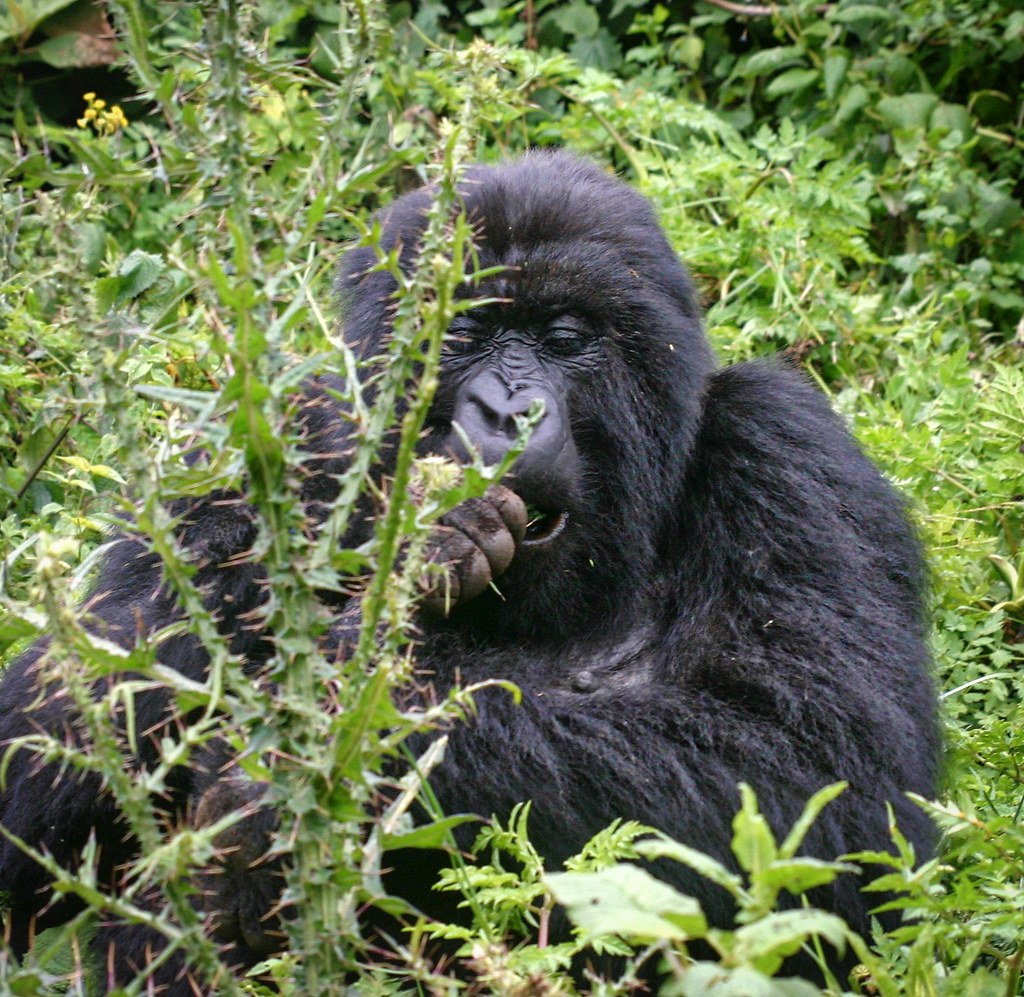
Buhoma Community Walk
A three-hour village walk visits a traditional healer, a banana-beer brewer, schools, tea and coffee farms and craft makers. Many travellers also stop at Bwindi Community Hospital, which serves tens of thousands of people around the park.
Birdwatching
Bwindi records around 350 bird species, including some 23 Albertine Rift endemics. Buhoma’s lower forest is rewarding for species such as Handsome francolin, Bar-tailed trogon, Black bee-eater, Short-tailed warbler and many forest greenbuls. The rare African green broadbill is more often sought around Ruhija. Book a specialist bird guide for the best results.
Other Primates and Wildlife
Beyond gorillas, the forest holds chimpanzees (not habituated for tracking here), L’Hoest’s, blue and red-tailed monkeys, black-and-white colobus and olive baboons, plus forest elephants, duikers and an extraordinary diversity of butterflies.
Best Time to Visit the Buhoma Sector
Gorilla trekking runs all year. Bwindi is a rainforest, so rain is possible on any day, but the drier months make trails firmer and photography easier.
| Period | Season | What to Expect |
| June – August | Long dry season (peak) | Firmest trails and the most popular months. Book permits and lodges well ahead. |
| September | Dry into transition | Good conditions and slightly fewer visitors; rains may begin late in the month. |
| October – November | Short rains | Muddy trails, lush forest and lower lodge rates. November qualifies for low-season permits. |
| December – February | Short dry season (peak) | Excellent trekking and busy holiday periods; book early. |
| March | Start of long rains | Wetter trails and a quieter forest. |
| April – May | Long rains (low season) | The wettest months, with discounted permits and lodge rates; expect slippery climbs. |
| Insider Tip
If budget matters more than dry trails, April, May and November offer the best value: reduced permits, emerald-green forest, smaller crowds at the briefing and lodge discounts. Pack gaiters, a proper rain jacket and waterproof boots. |
How to Get to the Buhoma Sector
| Route | Approx. Distance / Time | Notes |
| Kampala → Mbarara → Ntungamo → Rukungiri → Kihihi → Buhoma | 470 km / 9–10 hrs | The most common direct road route; tarmac most of the way, with murram on the final stretch. |
| Queen Elizabeth NP (Mweya) → Ishasha → Kihihi → Buhoma | 160 km / 4–5 hrs | Classic safari link with a game drive through Ishasha en route. |
| Ishasha Sector → Buhoma | 65 km / 2–3 hrs | The shortest savannah-to-gorilla transfer in Uganda. |
| Kabale / Lake Bunyonyi → Buhoma | 120 km / 3–4 hrs | Winding mountain road; the southern sectors are closer from Kabale. |
| Kigali → Katuna border → Kabale → Buhoma | 250 km / 7–8 hrs | Possible, but Rushaga or Nkuringo is far closer for Rwanda-based trips. |
| Flight: Entebbe or Kajjansi → Kihihi | 1.5–2 hr flight + 1 hr drive | Scheduled and charter flights, with a lodge transfer from Kihihi. |
Self-Drive to Buhoma
Buhoma is a very achievable self-drive destination in a 4×4 vehicle. A Toyota RAV4 handles the route well in the dry season, while a Land Cruiser Prado or Land Cruiser 70-series gives more confidence on muddy murram during the rains, especially around Kihihi and on the Ishasha road.
- Start early. Leave Kampala by about 6:00 am and avoid driving the final forest-edge roads after dark.
- Refuel in Rukungiri, Kihihi or Kanungu. Fuel in Buhoma itself is limited and expensive.
- Use offline maps and confirm the final turn-off with your lodge, as signage near the park can be sparse.
- Carry Uganda shillings for porters, tips, crafts and small purchases; card acceptance varies.
- Drive slowly through Ishasha. Wildlife has right of way, and speeding in the park attracts fines.
Where to Stay in the Buhoma Sector
Buhoma has the widest lodge selection in Bwindi, and most properties sit within a short walk or drive of the UWA briefing point, a real advantage on trek morning. Rates below are indicative per person per night sharing and vary by season; confirm current rates when booking.
| Tier | Lodge | Highlights | Indicative Rate |
| Luxury | Sanctuary Gorilla Forest Camp | Tented suites inside the forest boundary; one of Bwindi’s most iconic stays. | US$700+ |
| Luxury | Bwindi Lodge (Volcanoes Safaris) | Elegant bandas facing the forest, with strong community programmes. | US$600+ |
| Luxury | Buhoma Lodge | Raised chalets with forest views, a short walk from the briefing point. | US$450+ |
| Luxury | Mahogany Springs | Spacious suites beside the Munyaga River; spa and fine dining. | US$400+ |
| Mid-range | Silverback Lodge | Hilltop views over the forest canopy and comfortable rooms. | US$200–350 |
| Mid-range | Engagi Lodge | Cottages in a garden at the forest edge; good value. | US$180–300 |
| Mid-range | Haven Lodge | Community-supported lodge with valley views. | US$150–250 |
| Budget | Buhoma Community Rest Camp | Community-owned bandas beside the park gate; proceeds support local projects. | US$60–120 |
| Budget | Bwindi View Bandas / Trekkers Tavern | Simple, clean rooms with a friendly backpacker feel. | US$40–100 |
| Book the Right Sector
Your lodge must match your permit. A Buhoma permit with a lodge in Rushaga could mean a four-to-five-hour pre-dawn drive. Always book accommodation in the same sector as your gorilla permit. |
Buhoma vs Bwindi’s Other Sectors
| Feature | Buhoma | Ruhija | Rushaga | Nkuringo |
| Location | North | East | South | South |
| Altitude | Lowest (~1,500 m) | Highest (~2,300 m) | ~2,000 m | ~2,100 m |
| Typical difficulty | Moderate | Moderate–hard | Moderate–hard | Hard (steep descent) |
| Habituated families | 5 | 3–4 | Most in Bwindi | 2–3 |
| Habituation Experience | No | No | Yes (only sector) | No |
| Best linked with | Queen Elizabeth NP | Queen Elizabeth NP / Kabale | Lake Bunyonyi, Kigali | Lake Bunyonyi, Kigali, Mgahinga |
| Lodge choice | Widest | Limited | Good | Limited but scenic |
Sample 3-Day Buhoma Gorilla Trekking Itinerary
Day 1: Kampala to Buhoma
Depart Kampala early, stopping at the Equator at Kayabwe for photos and coffee. Continue through Mbarara and the green hills of Rukungiri to Kihihi, reaching Buhoma by late afternoon. Check in, enjoy dinner with forest views and prepare your trekking kit.
Day 2: Gorilla Trekking in Buhoma
After breakfast, report to the UWA briefing point by 7:30 am. Trek with rangers to your assigned family and spend one unforgettable hour with them. Return for a late lunch, then join an afternoon Buhoma community walk or simply rest on the deck.
Day 3: Buhoma to Kampala, or Onward to Queen Elizabeth
Drive back to Kampala with a lunch stop in Mbarara, arriving in the evening. Alternatively, continue to Ishasha for tree-climbing lions and then Mweya for a Kazinga Channel boat cruise, turning this into a five- or six-day gorilla and wildlife safari.
| Extend Your Stay
Add a day for the Munyaga waterfall trail or a Batwa experience. Add two days for Ishasha and the Kazinga Channel. Fly-in option: shorten the trip to two days by flying Entebbe–Kihihi and back. |
What to Pack for Gorilla Trekking in Buhoma
| Category | Essentials |
| Footwear | Waterproof hiking boots with good grip, gaiters and spare socks |
| Clothing | Long-sleeved shirt and long trousers (tucked into socks), lightweight rain jacket, warm layer for cool mornings |
| Protection | Gardening gloves for nettles and vines, hat, insect repellent, sunscreen |
| Gear | Small waterproof daypack, 2 litres of water, energy snacks, walking stick (often provided at the briefing) |
| Camera | Camera with flash switched off, spare batteries and a rain cover; a 70–200 mm lens suits the dim forest light |
| Documents | Passport, gorilla permit, yellow fever certificate, travel insurance details, cash in Uganda shillings |
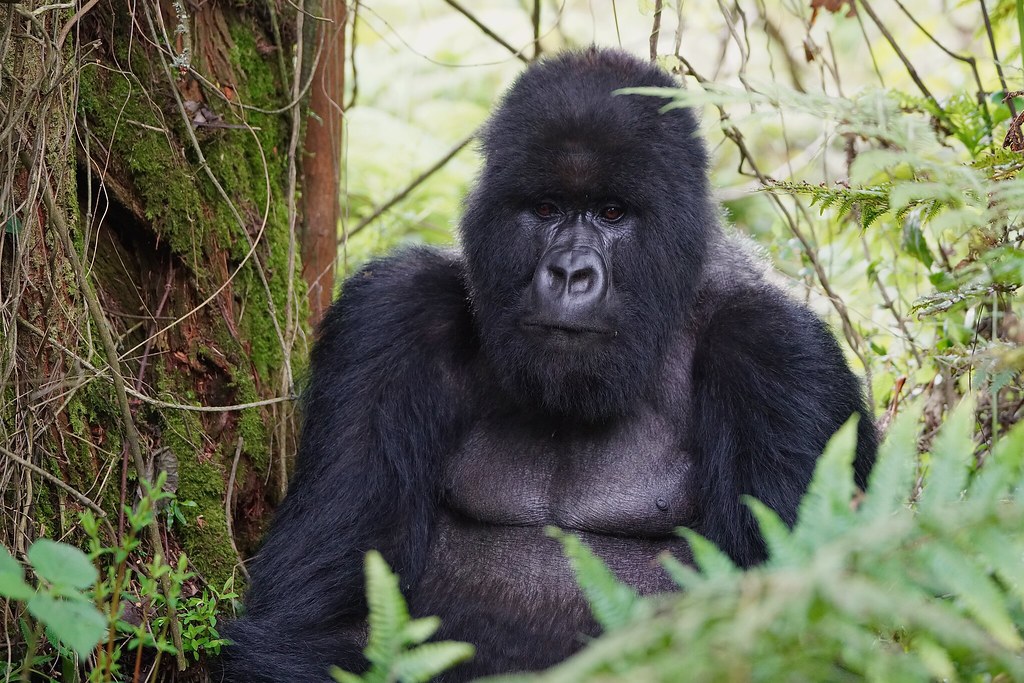
Gorilla Trekking Rules and Etiquette
- Keep a distance of at least 7–10 metres from the gorillas; if one approaches, step back slowly as your guide instructs.
- Wear a face mask near the gorillas when rangers ask, to reduce disease transmission.
- No flash photography, and keep voices low.
- Do not eat, drink or smoke near the gorillas, and carry out all rubbish.
- If you need to cough or sneeze, turn away and cover your mouth.
- If a gorilla charges, stay still, crouch down, look away and follow your ranger. Never run.
- Stay with your group and respect the one-hour limit; rangers will call time.
Health, Safety and Fitness
A yellow fever vaccination certificate is required to enter Uganda. Malaria is present in the region, so discuss prophylaxis with your doctor and use repellent in the evenings. Bwindi’s altitude is moderate, but steep, humid slopes are tiring; walking or hiking a few times a week in the month before your trip makes a noticeable difference.
Buhoma is a well-patrolled tourism area, and armed rangers accompany every trekking group. As with any trip, check your government’s latest travel advice for Uganda and the DRC border region before departure, and follow guidance from your lodge and rangers.
Conservation and Community in Buhoma
Mountain gorillas are one of conservation’s rare success stories. Once feared close to extinction, their numbers have climbed above 1,000 across the Virunga Massif and Bwindi, and Bwindi alone holds close to half of the world’s population. Gorilla tourism is central to that recovery: permit fees pay for rangers and veterinary care, while community revenue-sharing supports schools, health centres and roads.
You can support this as a visitor by hiring a porter, buying crafts from community co-operatives, choosing lodges with genuine community partnerships and following every trekking rule.
Frequently Asked Questions
Is Buhoma the easiest sector for gorilla trekking?
On average, yes. Its lower altitude and valley trails make it gentler than Ruhija or Nkuringo. Gorillas move daily, however, so a trek can still involve steep, muddy climbs.
How much is a gorilla permit for Buhoma?
US$800 for foreign non-residents and US$700 for foreign residents, with reduced rates of US$600 and US$500 in April, May and November. Confirm the 2027 tariff before booking, as reports on changes conflict.
Can I do the Gorilla Habituation Experience in Buhoma?
No. The four-hour Habituation Experience is offered only in the Rushaga Sector of southern Bwindi.
How far is Buhoma from Queen Elizabeth National Park?
About 2–3 hours from the Ishasha Sector and 4–5 hours from Mweya, which makes Buhoma the most convenient gorilla sector to combine with a Queen Elizabeth safari.
Can I fly to Buhoma?
Yes. Fly from Entebbe or Kajjansi to Kihihi Airstrip, then take a roughly one-hour road transfer to your lodge.
Can I self-drive to Buhoma?
Yes, in a 4×4. The route from Kampala is long but straightforward; start early, refuel before Buhoma and avoid driving after dark.
What is the minimum age for gorilla trekking?
Fifteen years. Younger family members can enjoy the community walk, the Batwa experience and, with guide approval, the waterfall trail.
Are gorilla sightings guaranteed?
No sighting of wild animals can be guaranteed, but success rates in Bwindi are very high thanks to advance trackers who locate the families each morning.
Can I trek twice in Buhoma?
Yes, with two permits for different days. A double trek lets you meet two families and is popular with photographers.
| Plan Your Buhoma Gorilla Safari with Marriott Safaris Africa
From securing your Buhoma gorilla permit before peak dates sell out to arranging lodges, 4×4 self-drive rentals, driver-guides and Kihihi flight connections, our team builds Bwindi trips around your dates, budget and fitness level. Combine Buhoma with Ishasha’s tree-climbing lions, a Kazinga Channel cruise or chimpanzee tracking in Kibale for a complete Uganda primate and wildlife safari. Contact Marriott Safaris Africa today – Perfection Anytime. |