
Mikumi National Park
Located in the heart of Tanzania, Mikumi National Park is a repository of species and natural splendor, poised for exploration on an amazing safari. This park is strategically situated in Morogoro, nestled between the Ulu guru Mountains and the Lumango range, in close proximity to the Selous Game Reserve, Udzungwa Mountains National Park, and Ulu guru Mountains. Mikumi National Park, the fourth-largest protected area in Tanzania, encompasses 3,230 square kilometers of pristine wilderness, featuring a terrain akin to that of the renowned Serengeti National Park.
Additional information about Mikumi National Park
Mikumi National Park is a natural masterpiece, comprising a variety of habitats such as hardwood forests, tamarind trees, miombo woodlands, swamps, ravine forests, iconic baobab trees, rare palm trees, open grass plains, and the towering Malundwe Mountains, the park’s highest peak at an elevation of 1,290 meters. This mountain range constitutes a formidable spine, linking the park to the Ulu Guru Mountains in the northeast and the Uvidunda and Udzungwa Mountains. The park, in conjunction with the Selous Game Reserve, constitutes a unique and essential habitat in Tanzania. The harmonic equilibrium of ecosystems fosters a remarkable diversity of species, rendering Mikumi National Park an essential stop for any Tanzania safari aficionado.
Mikumi National Park, located in central Tanzania, is a repository of species and natural splendor, poised for exploration during an amazing safari experience. Mikumi, one of Tanzania’s most accessible national parks, is located in close proximity to the vibrant town of Morogoro and is well situated near the Selous Game Reserve, Udzungwa Mountains National Park, and Ulu Guru Mountains, making it a prime destination for nature aficionados.
Wildlife
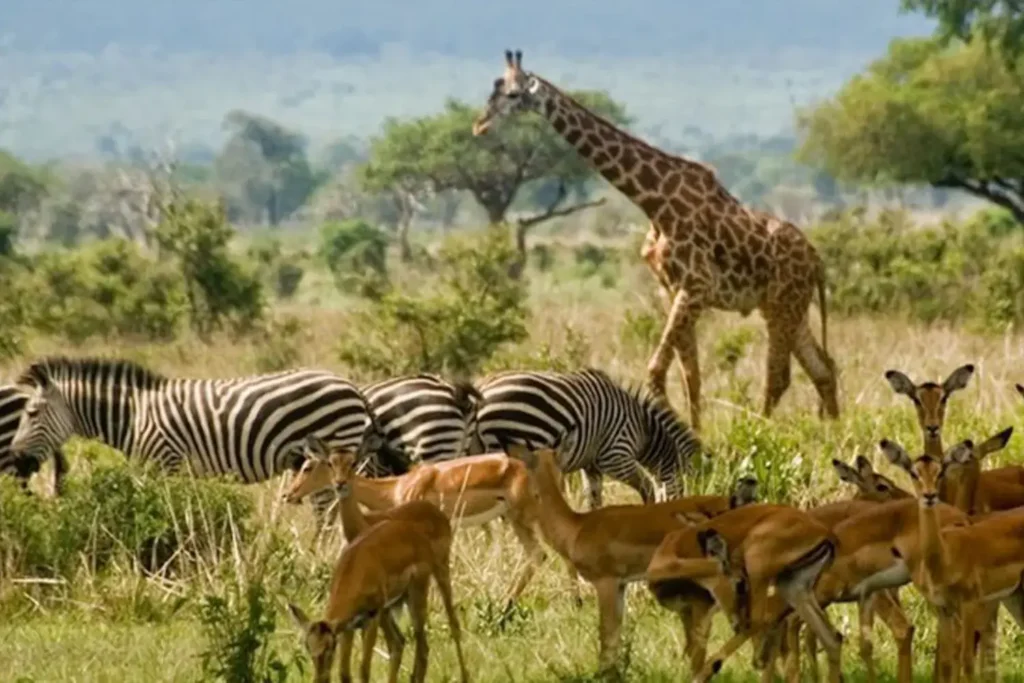
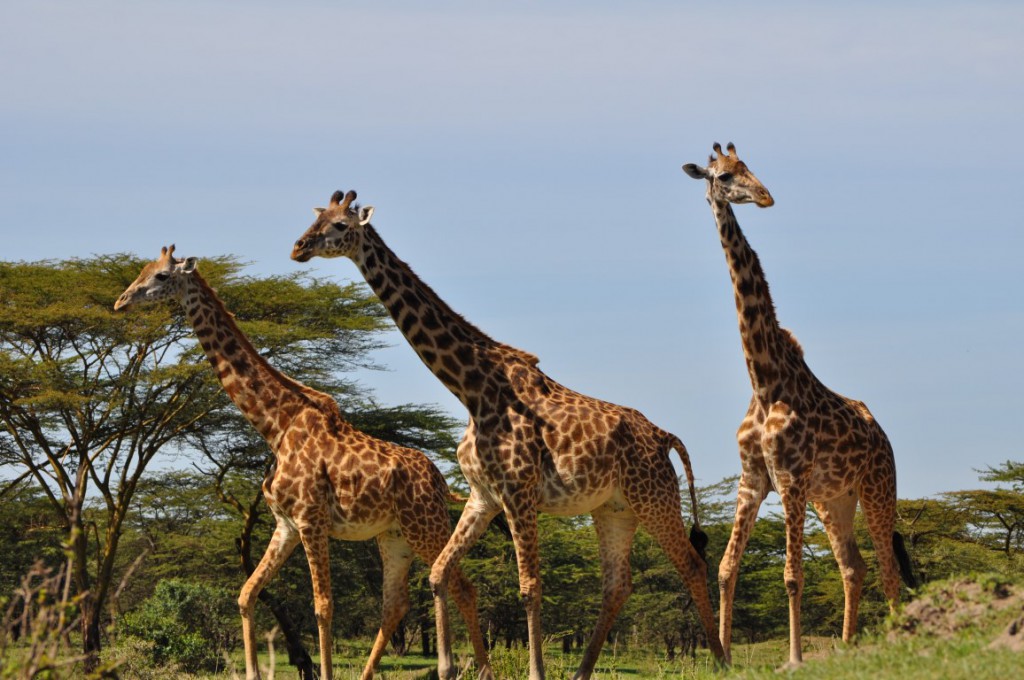
The park serves as a sanctuary for the Big Five, featuring four of the five species: lions, elephants, buffaloes, and leopards, traversing its varied terrains. Mikumi’s ecosystems sustain a diverse array of animals, including Elands, Giraffes, Impalas, Sable antelopes, Warthogs, Waterbucks, Wildebeests, Greater kudus, Yellow baboons, Zebras, Hartebeests, Wild dogs, and Hippos, among others. These creatures flourish in the park’s distinctive terrains, especially in the Mkata floodplains, characterized by ridges divided by narrow depressions of black cotton soil. The hippo pool, situated 5 kilometers northwest of the primary entrance, is a prominent location for wildlife observation, with a significant population of hippos and crocodiles.
A Birdwatcher’s Paradise
The Park is a crucial destination for birding safaris in Tanzania, featuring over 400 recognized bird species. This extraordinary avifauna comprises migratory birds and notable species such as the Marabou stork, Red-billed Oxpeckers, Black-bellied bustard, Francolin, Cattle egret, Guinea-fowls, Hornbill, Malachite Kingfisher, Open-billed storks, Yellow-throated longclaw, Lilac-breasted roller, and Bateleur eagle, among others.
To have best birdwatching experiences, travelers may investigate the Mkata River, especially for African openbills, and the Mkata floodplains, renowned for ground hornbills. The park’s varied ecosystems, from open grasslands to dense forests, offer a distinctive opportunity to observe several bird species.
Visitors to Mikumi National Park can partake in many activities, including as game drives, birdwatching, and walking safaris. The park’s picturesque vistas, varied fauna, and distinctive avian species render it an indelible locale for nature aficionados. Mikumi National Park is an essential location for both experienced safari enthusiasts and newcomers eager to see the marvels of Africa, certain to make a lasting impact.
Game drives
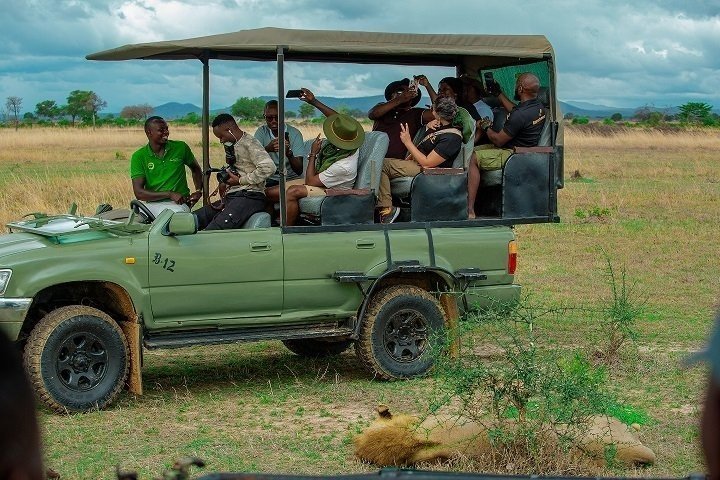
Mikumi National Park provides an unparalleled safari experience in Tanzania, with wildlife viewing safaris being among the most sought-after and exhilarating activities that enable visitors to engage with the natural environment. The Mkata flood plains of the park, located northwest of the main road, are renowned for wildlife observation, receiving the moniker “Little Serengeti” because of the remarkable density of animals residing in the region. This exceptional environment features a distinctive combination of grasslands, forests, and wetlands, offering a variety of habitats that sustain a remarkable diversity of wildlife. Visitors embarking on a wildlife viewing expedition in Mikumi National Park can anticipate an indelible safari holiday experience that will create a lasting impact.
What happens during game viewing
The wildlife viewing experience in Mikumi National Park is augmented by several alternatives for guests, including daytime, morning, and nocturnal game drives. Each choice offers a distinct viewpoint on the park’s wildlife, enabling visitors to observe the creatures at different times of day and in diverse environments. The daytime game drive offers a chance to investigate the park’s many terrains and observe a multitude of wildlife in their natural environments. The early game drive enables guests to observe the park’s species during their peak activity as they commence their day. The nocturnal game drive provides an exhilarating opportunity to observe nighttime animals, including predators and other species that inhabit the dark.
Visitors to Mikumi National Park can anticipate witnessing a remarkable variety of animals, including the Big Five: lions, elephants, buffaloes, and leopards. Additional emblematic species observable in the park comprise elands, giraffes, impalas, sable antelopes, warthogs, waterbucks, wildebeests, larger kudus, yellow baboons, zebras, hartebeests, wild dogs, and hippopotamuses. The park’s varied ecosystems sustain an impressive array of wildlife, and visitors may anticipate observing several animal species during their game viewing experience.
What is the best time for animal safaris in Mikumi National Park?
The optimal period for wildlife observation at Mikumi National Park is the dry season, spanning from June to October. In this season, the sparse vegetation facilitates animal observation, and wildlife gathers at watering holes, offering chances to witness substantial herds of buffalo and elephants. The dry season provides clearer skies and more temperate conditions, rendering it an optimal period for wildlife observation. Visitors traversing the park’s sceneries and observing its remarkable fauna can anticipate an indelible adventure that will create a lasting impact.
What is the best time for wildlife safaris in Mikumi National Park
Bird watching
Mikumi National Park is a distinguished location for birding safaris in Tanzania, providing an exceptional chance to observe more than 400 bird species. This avian sanctuary hosts a variety of resident and migratory bird species, guaranteeing an exhilarating experience for ornithologists with each visit. The Park hosts a remarkable variety of avian species, including the Bellied Bustard, Francolin, Cattle Egret, Guinea-fowl, Hornbill, Malachite Kingfisher, Open-billed Stork, Yellow-throated Longclaw, Lilac-breasted Roller, and Bateleur Eagle. These avians inhabit many environments inside the park, such as the wetlands, hippopotamus pool, and expansive grasslands.
The distinctive location and varied ecosystems of Mikumi National Park render it an appealing site for both resident and migratory avian species. This guarantees that each visit to Mikumi National Park is a distinctive and exhilarating experience for avian enthusiasts. Mikumi National Park, renowned for its remarkable avian diversity, is an essential trip for bird enthusiasts. Mikumi National Park is guaranteed to impress both experienced birdwatchers and novices alike with its remarkable natural beauty. Why not seize your binoculars and proceed to Mikumi National Park for an unparalleled birdwatching experience?
Walking Safaris
Mikumi National Park is a distinguished locale for walking safaris in Tanzania, providing an exceptional opportunity to traverse the park’s breathtaking scenery and remarkable animals on foot. The park’s walking safaris are meticulously supervised and customized to deliver a distinctive and exhilarating experience for adventurers and wildlife aficionados.
The walking safaris in Mikumi National Park guide you through the park’s varied habitats, encompassing short savannah and Miombo woodland vegetation. Under the tutelage of a seasoned safari guide, you will have the opportunity to explore the park’s concealed treasures, such as the Kikoboga trail, renowned for its magnificent vistas, the Vuma Hills trail, which traverses a picturesque hillside with remarkable panoramas, and the Mikumi Wildlife Lodge trail, offering an exceptional viewpoint of the park’s fauna and ecosystems.
The arid season, often occurring from June to October, is optimal for walking safaris in Mikumi National Park. During this interval, the paths are arid and the meadows are sparse, facilitating navigation and wildlife observation. The dry season provides better skies and more temperate conditions, rendering it an optimal period for walking safaris.
Picnic and camping
Mikumi National Park is an ideal destination for outdoor aficionados, providing a distinctive combination of picnic and camping and safari experiences that facilitate a profound connection with nature. Mikumi National Park offers diverse experiences, catering to both peaceful picnics and exhilarating camping adventures.
Three scenic picnic locations provide stunning vistas of the surrounding terrain. They offer a tranquil and calming environment, enabling you to relax and rejuvenate amidst the beauty of nature. Savor delectable cuisine, invigorating beverages, and the radiant sun while immersing yourself in the splendor of the African environment.
Camping in Mikumi National Park is essential for those desiring a more immersive experience. The park’s public campsites, located in the northern area, provide an exhilarating experience for nature enthusiasts and an opportunity to witness the untamed essence of the African wilderness. As night descends, convene around the campfire and heed the resounding calls of nocturnal creatures, especially the regal lions. The public campsites are equipped with amenities. For instance, restrooms, kitchens, lavatories, and water facilities, guaranteeing a pleasant and joyful camping experience.
Accessing Mikumi National Park
Mikumi National Park, situated in the Morogoro area of Tanzania, is easily accessible due to its strategic location along the A7 highway. Park visitors can select between two convenient ways of transportation: road or air.
Via Road
Mikumi National Park is readily accessible by road, with multiple roads leading to the park. The predominant route is from Dar es Salaam, featuring a picturesque journey via Morogoro. The travel generally requires approximately 4 to 5 hours, contingent upon traffic and road conditions. Moreover, there are pathways linking Mikumi National Park to other esteemed wildlife locales in Tanzania, including Ruaha National Park and Selous Game Reserve.
These paths provide a handy alternative for travelers seeking to integrate their Mikumi National Park safari with additional exhilarating wildlife encounters.
Via Aerial Transport
Chartered flights are scheduled from Dar es Salaam to Kikoboga airstrip, situated within the park. This option is perfect for guests with constrained time or those desiring a more opulent and effortless experience.