
3 Days Bwindi Gorilla Trekking Safari
The Complete 2026 Itinerary, Permit Costs, Sectors, Packing List & Booking Guide for Uganda’s Bwindi Impenetrable Forest
Why Choose a 3-Day Bwindi Gorilla Trekking Safari
Bwindi Impenetrable National Park, tucked into the mist-covered hills of southwestern Uganda, protects roughly half of the world’s remaining mountain gorillas. A 3-day Bwindi gorilla trekking safari is the shortest itinerary that comfortably delivers a full, unrushed gorilla encounter without the fatigue of back-to-back travel days, making it the most popular format for travelers combining Uganda with a wider East Africa itinerary or a short standalone trip from Kampala or Entebbe.
This guide walks through a complete 3-day itinerary — arrival and transfer, the trekking day itself, and a relaxed departure morning — alongside the practical details that make or break a gorilla trekking trip: permit prices, sector choice, fitness requirements, packing, and where to sleep.

Quick Snapshot
|
Bwindi Impenetrable Forest at a Glance
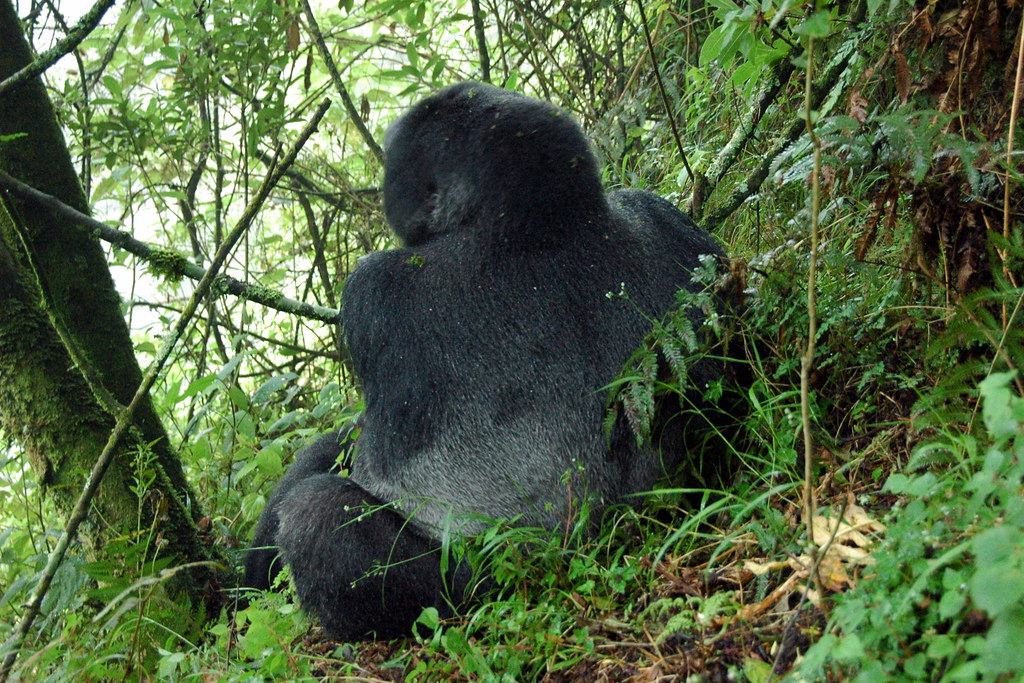
Bwindi Impenetrable National Park is a UNESCO World Heritage Site covering 331 square kilometers of ancient, tangled rainforest in Kanungu, Kisoro, and Rubanda districts, along Uganda’s border with the Democratic Republic of Congo. The park is home to more than 25 habituated gorilla families spread across four trekking sectors, alongside forest elephants, over 350 bird species, and 10 primate species including chimpanzees and L’Hoest’s monkeys.
| Detail | Information |
| Location | Southwestern Uganda, Kanungu / Kisoro / Rubanda districts |
| Size | 331 sq km of Afromontane rainforest |
| Altitude | 1,160 m – 2,607 m above sea level |
| Gorilla population | Over 460 individuals, 25+ habituated families |
| UNESCO status | World Heritage Site since 1994 |
| Trekking sectors | Buhoma, Ruhija, Rushaga, Nkuringo |
| Nearest airstrips | Kihihi and Kisoro |
| Drive time from Kampala/Entebbe | 8–9 hours (or a 1-hour scenic flight) |
Day 1 — Arrival & Transfer to Bwindi Impenetrable Forest
Your gorilla trekking safari begins with the journey south from Kampala or Entebbe International Airport into the highlands of southwestern Uganda. Most itineraries budget the full day for this transfer, since it is as much a safari experience as the trek itself.
Morning: Departure from Kampala/Entebbe
An early departure, typically between 6:00 and 7:00 am, gives you the best chance of reaching Bwindi before dark. The road winds through the fertile hills of Mbarara and past the northern edge of Lake Mburo National Park, with the Equator crossing at Kayabwe a popular photo stop about an hour outside Kampala.
Midday: Scenic Route Through the Western Highlands
As the road climbs past Ntungamo and Kabale, the landscape shifts into the terraced, banana-green hills the region is famous for, often called the ‘Switzerland of Africa.’ Lunch is usually taken en route in Kabale or at a lodge partway along the drive.
Afternoon: Arrival at Your Lodge
You will arrive at your chosen sector — Buhoma, Ruhija, Rushaga, or Nkuringo — by late afternoon, with time to settle in, enjoy the forest views from your lodge, and receive a briefing from your guide on the following day’s trek. Travelers short on time can instead fly into Kihihi or Kisoro airstrip, cutting the journey to roughly one hour.
| Travel Tip
• Flying to Kihihi or Kisoro saves a full day of driving and is worth the extra cost on a tight 3-day itinerary. • Confirm your lodge’s sector matches your permit — permits are sector-specific and cannot be swapped on arrival. |
Day 2 — Gorilla Trekking Day
This is the heart of the safari: a full day dedicated to tracking a habituated mountain gorilla family through Bwindi’s dense forest interior.

6:30–7:30 am: Early Breakfast
An early start is essential. Most lodges serve breakfast well before dawn so trekkers can reach the park headquarters for the mandatory briefing.
7:30–8:00 am: Ranger Briefing
At the sector headquarters, Uganda Wildlife Authority rangers assign trekking groups (maximum 8 people per gorilla family), explain the day’s rules, and offer walking sticks and porter services. This is also when armed rangers and trackers join each group for security and guidance.
8:00 am–early afternoon: The Trek
Trekking time varies enormously depending on where the gorilla family has moved overnight, from as little as 30 minutes to a strenuous 6–8 hour hike through steep, muddy, and densely vegetated terrain. Trackers who set out ahead at dawn radio updates on the family’s location throughout the morning.
The Gorilla Encounter
Once your group locates the family, you leave backpacks and walking sticks with porters and approach quietly. You are permitted exactly one hour in the gorillas’ presence, watched over by rangers who maintain the required 7–10 meter viewing distance. Photography without flash is encouraged; the hour passes quickly, and many visitors describe it as the most profound wildlife encounter of their lives.
Afternoon: Return & Certificate
After the hike back to the trailhead, successful trekkers receive a certificate from UWA. The rest of the afternoon is free to rest at your lodge, enjoy a hot shower, and reflect over dinner.
| What to Expect Physically
• Terrain: steep, slippery slopes, dense undergrowth, occasional stinging nettles • Altitude: sectors range from roughly 1,160 m to over 2,300 m • Porters ($15–$20/day) are strongly recommended even for fit trekkers — hiring one also supports the local community |
Day 3 — Optional Activity & Departure
With the main event behind you, the final morning offers a choice between a relaxed departure or one more forest experience before the drive or flight back.
Option A: Batwa Cultural Trail
Guided by the indigenous Batwa people, this half-day walk explores the forest’s traditional uses for medicine, shelter, and hunting, and includes a visit to a Batwa community to learn about their history as Bwindi’s original forest dwellers.
Option B: Waterfall or Nature Walk
Buhoma and Ruhija sectors both offer graded nature trails through the forest, including routes to the Munyaga River waterfalls, ideal for birdwatchers and travelers wanting gentler exercise than the previous day’s trek.
Option C: Direct Departure
Travelers connecting onward to Rwanda’s Volcanoes National Park, Queen Elizabeth National Park, or back to Kampala can begin the return journey directly after breakfast.
Return Journey
The drive back to Kampala or Entebbe retraces Day 1’s route and takes a similar 8–9 hours, or roughly one hour by scenic flight from Kihihi or Kisoro airstrip.
Bwindi’s Four Trekking Sectors Compared
Bwindi is divided into four trekking sectors, each with its own network of habituated gorilla families, access road, and character. Choosing the right sector shapes both your itinerary and your trekking experience.
| Sector | Habituated Families | Access & Terrain | Best For |
| Buhoma | 5+ families, incl. Mubare & Habinyanja | Gentlest terrain; closest to Kampala via Ishasha route | First-time trekkers, families |
| Ruhija | 4+ families, incl. Oruzogo & Bitukura | Highest altitude sector; cooler climate | Birdwatchers, cooler-weather trekkers |
| Rushaga | 8+ families; hosts habituation experience | Most permits available; hillier approach | Groups wanting more permit flexibility |
| Nkuringo | 3+ families, incl. Nkuringo & Christmas | Steepest terrain; dramatic Virunga views | Fit trekkers seeking scenery and solitude |
Gorilla Permit Costs & How to Book in 2026
The gorilla permit is the single largest line item in a Bwindi trekking budget and the piece that must be secured first, since only a limited number are issued per sector, per day.
| Permit Category | 2026 Price (per person) | Includes |
| Foreign non-resident | US$800 | 1 hour with gorillas, ranger & tracker guidance, park entry |
| Foreign resident | US$700 | Same as above, for holders of Uganda resident status |
| Other African citizen | US$500 | Same as above |
| East African citizen | Approx. US$80 | Same as above, for Uganda/Kenya/Tanzania/Rwanda/Burundi citizens |
| Gorilla habituation permit | US$1,500 (Rushaga only) | 4 hours with a semi-habituated family, smaller group size |
How to Book
- Decide on your preferred sector and trekking date, ideally 4–6 months ahead for peak season (June–September and December–February).
- Book through Marriott Safaris Africa a licensed Ugandan tour operator, who purchases the permit on your behalf from the Uganda Wildlife Authority.
- Pay the full permit fee in advance — permits are non-transferable and tied to your passport details.
- Carry a printed or digital copy of your permit and passport to the ranger briefing on trekking day.
| Booking Tip
• Permits sell out fastest for Buhoma and Rushaga sectors during peak months — confirm availability before finalizing lodge bookings. • Bwindi’s permit ($800) remains significantly cheaper than Rwanda’s Volcanoes National Park permit ($1,500), a common comparison for first-time trekkers. |
Best Time to Visit Bwindi for Gorilla Trekking
Bwindi can be trekked year-round since gorilla trekking happens in rainforest regardless of season, but trail conditions and crowd levels shift with Uganda’s wet and dry periods.
| Season | Months | Conditions |
| Dry season (peak) | June–September, December–February | Firmer trails, easier hiking, higher permit demand |
| Long rains | March–May | Muddiest trails, lush scenery, fewer crowds |
| Short rains | October–November | Occasional showers, good value season, moderate trails |
Fitness Level & Trekking Difficulty
Gorilla trekking is graded from moderate to strenuous, and the honest answer to ‘how hard is it’ depends entirely on where the gorilla family is on a given day.
- Trek length ranges from under 1 km to over 10 km round trip.
- Elevation gain can exceed 600 meters on a difficult day, especially in Nkuringo and Rushaga.
- Trails are unmarked forest paths — expect mud, roots, vines, and occasional stinging nettles.
- A basic to moderate fitness level is sufficient for most trekkers; porters can carry packs and offer a supporting arm on steep sections.
- Trekkers with limited mobility can request a sedan chair (a porter-carried stretcher) through their operator in advance.
What to Pack for Gorilla Trekking
Clothing
- Long-sleeved shirt and long trousers in neutral colors (to protect against nettles and thorns)
- Sturdy, broken-in hiking boots with ankle support
- Waterproof rain jacket, even in dry season
- Gardening-style gloves for gripping vegetation on steep sections
Gear
- Gaiters or trousers tucked into socks, to keep out safari ants
- A daypack for water, snacks, and rain gear
- Camera with a fully charged battery and spare memory card (no flash photography)
- Binoculars for birdwatching along the trail
Essentials
- Valid gorilla permit and passport
- Cash (USD or Ugandan shillings) for tips and porter fees
- Insect repellent and personal first-aid basics
- Reusable water bottle — at least 2 liters recommended for the trek
Where to Stay Near Bwindi
| Tier | Price Range (per person/night) | Examples of Style |
| Budget | $50–$100 | Community guesthouses and simple rest camps |
| Mid-range | $100–$300 | Comfortable lodges and tented camps with full board |
| Luxury | $600–$1,500+ | High-end forest lodges with private decks and premium service |
Choosing a lodge in the same sector as your permit minimizes early-morning transfer time before the ranger briefing — a meaningful comfort factor on a 3-day itinerary where mornings start before dawn.
How to Get to Bwindi Impenetrable Forest
By Road
The overland route from Kampala or Entebbe takes roughly 8–9 hours, typically broken up with stops at the Equator, Lake Mburo’s edge, and the highland town of Kabale.
By Air
Scheduled light aircraft connect Entebbe to Kihihi and Kisoro airstrips in about one hour, ideal for travelers maximizing trekking time on a short 3-day trip or connecting onward to Rwanda’s Volcanoes National Park.
Gorilla Trekking Rules & Etiquette
- Maintain a minimum distance of 7–10 meters from the gorillas at all times.
- Keep your voice low and movements slow and calm.
- No flash photography, eating, or drinking near the gorillas.
- Trekkers with flu, colds, or other contagious illness are asked not to trek, since gorillas are highly susceptible to human diseases.
- Maximum group size is 8 visitors per gorilla family, with a strict one-hour viewing limit.
- Children under 15 are not permitted to trek.
Sample 3-Day Budget (Per Person, Mid-Range)
| Item | Estimated Cost (USD) |
| Gorilla permit | $800 |
| 2 nights mid-range lodge (full board) | $200 – $600 |
| Road transfer or return flight | $150 – $450 |
| Porter fee (recommended) | $15 – $20 |
| Tips (guide, ranger, porter, staff) | $40 – $60 |
| Estimated 3-day total | $1,200 – $1,950 |
Frequently Asked Questions
Is 3 days enough for Bwindi gorilla trekking?
Yes. Three days is the minimum practical length for a Bwindi trip that includes a full travel day in, the trek itself, and a departure day — comfortable for most travelers, especially when paired with a scenic flight rather than a full road transfer.
What is the chance of seeing gorillas?
Sighting success rates in Bwindi consistently exceed 95%, since trackers locate the family’s overnight nesting site at dawn and guide trekking groups toward their last known position.
Can children go gorilla trekking?
No. The Uganda Wildlife Authority sets a minimum age of 15 for gorilla trekking permits.
Is Bwindi or Rwanda’s Volcanoes National Park better for gorilla trekking?
Bwindi offers a lower permit price and a larger number of habituated families, while Volcanoes National Park offers shorter transfer times from Kigali and generally gentler terrain. Many travelers choose Bwindi for value and choose Rwanda for convenience.
Do I need a visa for Uganda?
Most nationalities require an eVisa, applied for online in advance, or the East Africa Tourist Visa, which also covers travel to Kenya and Rwanda.