
Ruaha National Park
Ruaha National Park is the second largest protected area, situated 130 km south of Serengeti National Park and west of Iringa and Selous Game Reserve in southern Tanzania. The protected area was initially designated as Saba Game Reserve in 1910. Subsequently, in 1946, the designation was altered to Rungwa Game Reserve. The southern section of the reserve was subsequently designated as Ruaha National Park. The park encompasses an area of 20,226 square kilometers (7,809 square miles), when it was formerly 13,000 square kilometers.
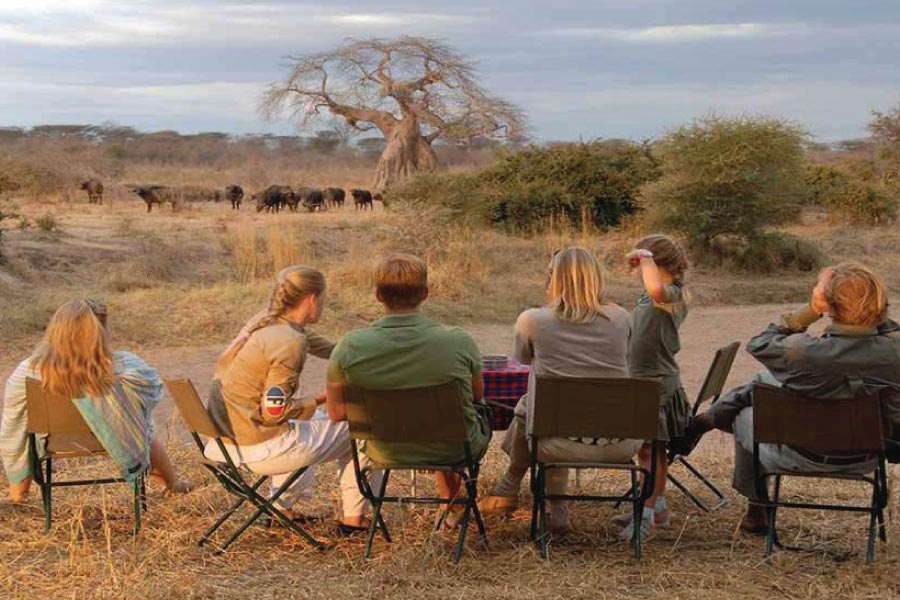
In 2008, the Usangu Game Reserve was incorporated into the park, resulting in an expansion of its area. The park is an integral component of the Rungwa-Kizigo-Muhesi ecosystem, encompassing the Rungwa Game Reserve, Kizigo and Muhesi Game Reserves, and the Mbomipa Wildlife Management Area. In 2005, Ruaha National Park was designated as a lion conservation unit, with the Usangu Basin identified as one of the Important Bird Areas (IBA) recognized by Birdlife International. The protected area is named after the Ruaha River, which traverses the southeastern region of Ruaha National Park. The river draws various fauna, particularly migrating birds.
Vegetation in Ruaha National Park
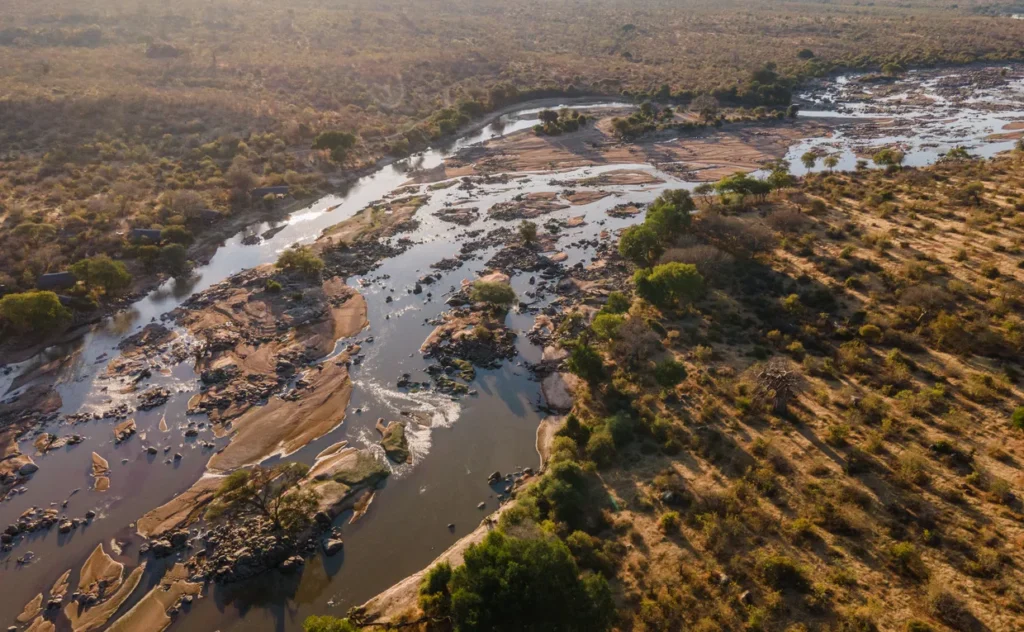
The park features several vegetation types, including riverine forests, Miombo woodlands, open savannahs with acacia trees, kopjes, arid bushlands, undulating hills, flat plains, and swamps. Ruaha National Park contains several rivers, including the Jongomero River, Great Ruaha River, Mwagusi, and Mzombe, which are vital to the park’s ecosystem. The waterfalls along the Ruaha River provide habitat for crocodiles, hippos, and many aquatic fauna.
In the dry season, the Ruaha River reduces to a few vital waterholes, which predators exploit by lying in wait for the antelope herds that approach to drink. The riparian flora along the riverbanks offers ample concealment for predators, rendering it the premier hunting territory inside the park. The complete vegetation offers optimal homes and observation areas for various types of flora and fauna.
Wildlife in Ruaha National Park
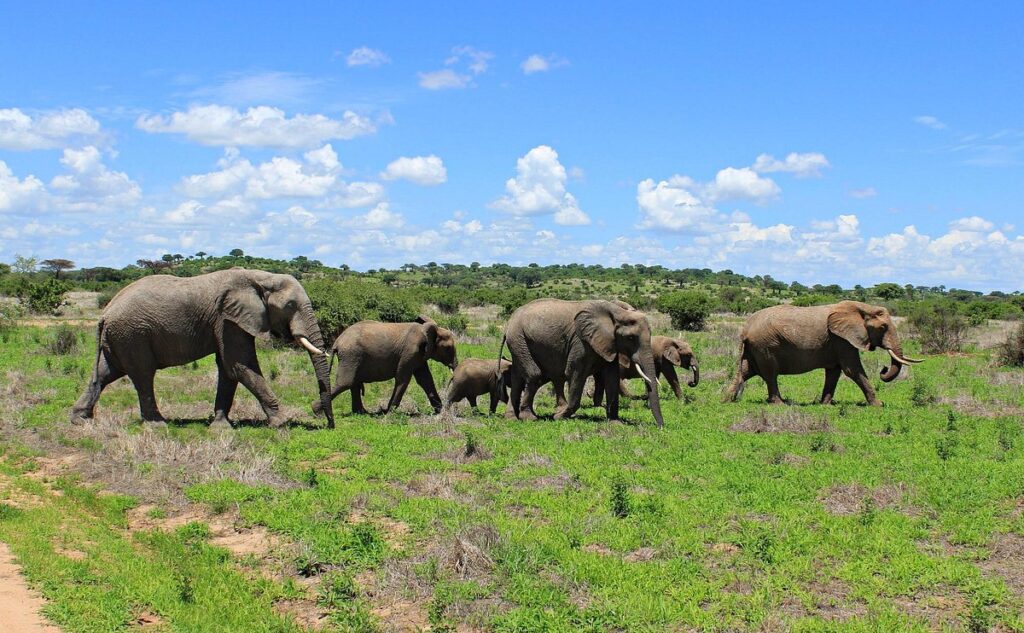
Ruaha National Park is recognized for its substantial population of elephants in East Africa, numbering over 10,000 individuals. Nonetheless, the park hosts several mammals, including those that are infrequently, rarely, and commonly observed. The list include Lion, Cheetah, Wild Dog, Leopard, Hyena, Jackals, Bat-eared Foxes, Elephant, Buffalo, White Rhino, Black Rhino, Giraffe, Wildebeest, Hippopotamus, Zebra, Lesser Kudu, Greater Kudu, Elands, and Antelope. The protected area harbors uncommon antelope species, including sable and roan antelopes. Ruaha National Park is the sole park in East Africa that hosts both lesser and greater kudu. The park accommodates around 570 avian species, including endemics and migratory birds. Notable avian species including the Emerald-spotted wood dove, Tanzanian red-billed hornbill, Southern ground hornbill, Black-bellied bustard, crested barbet, ashy starling, Yellow-collared lovebird, Spur-winged geese, collared palm-thrush, Bateleur, and Giant kingfisher, among others. These can be observed in savannah woodlands interspersed with acacias and baobabs.
Things to do in Ruaha National Park
Game drives
This is a highly favored activity in Ruaha National Park, often carried out in open 4×4 vehicles to facilitate the observation of the park’s various species in their native habitat. The park provides game drives in the morning, afternoon, and evening. The morning game drives provide the opportunity to observe predators such as lions, cheetahs, wild dogs, serval cats, and other nocturnal species. Afternoon excursions are optimal for observing herbivores while they forage. These may include impalas, antelopes, kudus, zebras, and elephants, among others. The nocturnal game drives occur in several vegetation types inside the park. This period presents opportunities to observe nocturnal wildlife, especially secretive species such as bush-babies.
Bird watching
The ecosystems of Ruaha, encompassing savannahs and marshes, provide optimal habitats for a diverse array of avian species. Ruaha National Park is home to about 570 bird species, including migratory birds from both inside and beyond Africa. The park is home to various bird species, including the endemic Ruaha red-billed hornbill, black-collared lovebirds, bateleurs, sunbirds, ashy starlings, fish eagles, kingfishers, ground hornbills, among others. The optimal period for birdwatching in this park is from November to April. This season, the park attracts migratory birds from Europe and several regions of Africa, while also experiencing elevated breeding rates among some avian species.
Guided nature walk
This is the optimal method for experiencing the essence of Ruaha National Park. Participate in a walking safari accompanied by an armed ranger and local guides along established pathways through the bush, shrubs, swamps, and forests, while observing various species of animals and vegetation. Nature walks are limited to a maximum of six participants. The activity provides an opportunity to explore the region’s fauna and see the local village. Interact with Maasai tribes to acquire knowledge about their music, customs, and sustainable practices.
River cruise
The action occurs along the expansive Rauha River. River cruises provide the chance to observe hippos sunbathing and crocodiles. Numerous wildlife species are observed near the riverbanks to satisfy their thirst during the dry season.
Cultural Tour
Pause game drives to engage in cultural tourism in Iringa, one of Tanzania’s largest cities.
Iringa possesses a captivating past, with remnants of its German colonial buildings still evident. Ruaha has been influenced by contemporary Tanzanian architecture, imparting an authentic essence of Tanzanian urban life to the city. Iringa is an excellent location for purchasing souvenirs, sampling local street food, and acquiring knowledge about Tanzanian culture with the assistance of a local guide. The town possesses a captivating old past, and Igeleke features remarkable rock art that dates back to the Iron Age. It has been designated as a site of safeguarded cultural heritage.
The Isimila Stone Age Site dates from 1.5 million to 200,000 years old. Both places offer intriguing perspectives on pre-historic Tanzania and serve as compelling alternatives to displays concerning Tanzania’s colonial history.
How to access the park
Access to Ruaha National Park is available either road or air, contingent upon the traveler’s preference.
Most car excursions to Ruaha National Park commence at Julius Nyerere Airport in Dar-es-Salaam. The travel lasts approximately 10 to 12 hours. Visitors to Ruaha can conveniently combine their trip with Mikumi National Park, as the journey between the two parks requires five hours. For air travel, you may utilize chartered or scheduled flights such as Auric Link or Coastal Aviation. These flights depart from Dar es Salaam, Arusha, Kigoma, and Dodoma to Msembe airstrip and Jongomero airstrip in Ruaha National Park, Iringa Region.
Accommodation in Ruaha National Park
Luxurious accommodations in Ruaha
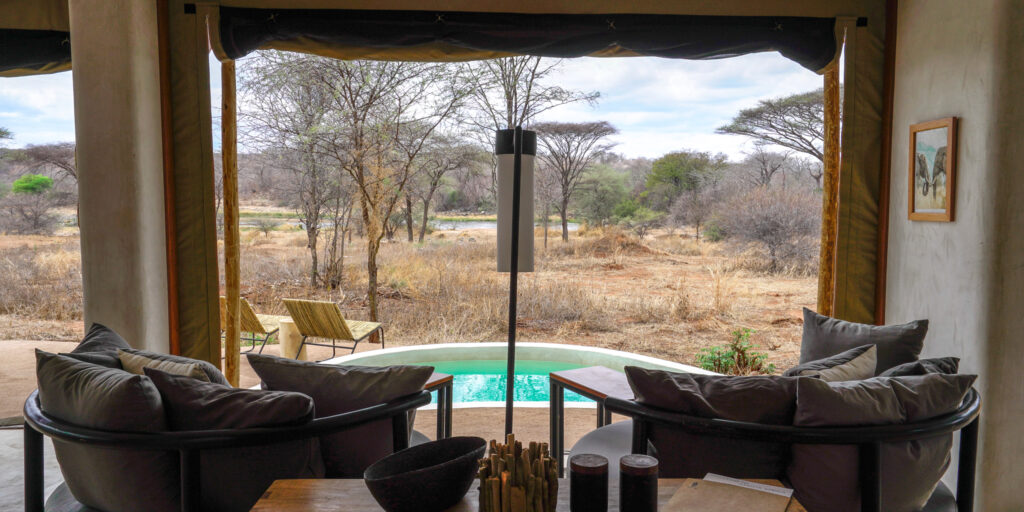
Jabali Ridge: Operated by Asilia Africa, this opulent lodge provides elegant and comfortable lodging. The lodge, situated above the Mwagusi River, provides excellent vistas of elephants and buffalo during the dry season. Jabali provides eight suites, including the Jabali Private House for travelers who value personal space. The lodge features hammocks, an infinity pool, and a spa that provides hot stone massages.
Jongomero Camp: Harmoniously integrated into its breathtaking environment, this camp is located along the banks of the ephemeral Jongomero River, a vital water source for numerous wildlife species. The bar and restaurant are located on an open wooden patio, with furniture constructed from salvaged dhow wood.
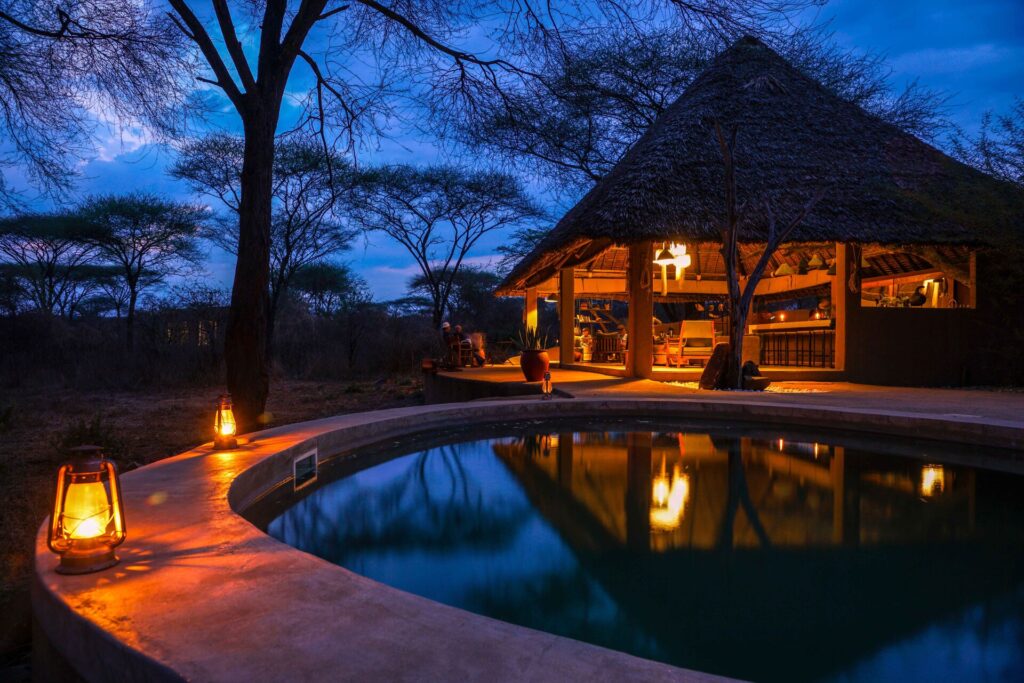
Kichaka Expeditions: Select from three eco-conscious sites that blend rustic charm with luxury. Kichaka’s camps are situated in the wilderness, and the establishment takes pride in its secluded surroundings. Kichaka Frontier serves as the primary base for Kichaka Expeditions.
Mid- Range lodges in Ruaha
Kwihala Camp, operated by Asilia Africa, features six expansive solar-powered tents. The expedition-style camp is only a mere 45-minute drive from Msembe Airstrip. An evening beverage over the campfire is an ideal conclusion to a day of exploration in Ruaha.
Nomad Kigelia Camp: A compact bush camp located in the eastern region of Ruaha, featuring six expansive tents, a twin-bedded family tent, and options for both indoor and outdoor dining. A bush breakfast is offered, and wilderness treks are provided as an optional addition.
Ruaha River Lodge: Located on a curve of the Great Ruaha River, this lodge boasts an exceptional setting. The resort features 24 stone-built cabins, each with a private veranda providing exceptional views of Ruaha’s animals. The dining area is divided into two locations: a riverfront banda and a hilltop banda that provides expansive views of the Great Ruaha River.
Mwagusi Camp, established in 1987, is the oldest camp in the park. The majority of the camp is constructed from natural resources, such as grass thatch, timber, and driftwood. Each banda includes a roomy tent situated beneath a thatched roof. The camp endorses the Foxes’ Community and Wildlife Conservation Trust (FCWCT), a grassroots organization that has executed vital conservation efforts in the vicinity.
Budget accommodations in Ruaha
Mdonya Old River Camp: This economical camp features 12 Meru-style tents. The camp operates effectively yet comfortably, emphasizing fundamental safari elements like outdoor showers.
What is Ruaha National Park’s impact on my Tanzanian safari?
Ruaha is frequently eclipsed by its larger counterparts in Tanzania’s northern safari circuit. This is, in numerous respects, one of its greatest qualities.
At Ruaha, one may immerse oneself in Tanzania’s environment devoid of the cacophony of nearby safari vehicles. The remoteness and immense expanse are what render it so captivating. Ruaha constitutes a segment of Tanzania’s southern safari circuit, sometimes paired with Selous. While Ruaha lacks rhinos, it hosts the greatest population of elephants in Tanzania, alongside lions and crocodiles along the banks of the Great Ruaha River.
Safaris in Ruaha
Morning wildlife drives and walking safaris constitute the predominant activities at Ruaha. Nighttime driving is prohibited.
Embarking on walking safaris with a seasoned ranger enables a more intimate encounter with wildlife. Experiencing proximity to a 6-tonne elephant is unparalleled. Safaris in Ruaha provide exceptional possibilities for wildlife photography. The park experiences significantly less visitors compared to the Serengeti or Ngorongoro, allowing for a sense of solitude.
Hot air balloon excursions provide an exceptional opportunity to explore Ruaha National Park, offering a distinctive vantage point of the countryside. These excursions are very costly (about US$550 per individual), although soaring over the untamed expanses of East Africa is a thrill that few can claim, and is worth every cent.