
Udzungwa Mountains National Park
Udzungwa Mountains National Park encompasses an area of 1,990 km² (770 mi²) and is the sole national park situated along the Eastern Arc in South-central Tanzania, with 80% of its territory in the Kilolo district and the remaining 20% in the Kilombero region. Udzungwa Mountains National Park was established in 1992 and inaugurated by former President and WWF founder Prince Bernhard of the Netherlands. The term Udzungwa derives from Wadsungwa, which refers to a native sub-tribe of the Hehe people who historically inhabited the mountain slopes. The park encompasses diverse habitats, including tropical rainforest, mountain forest, miombo woodland, grassland, and steppe, providing an exhilarating experience during safaris in Tanzania.
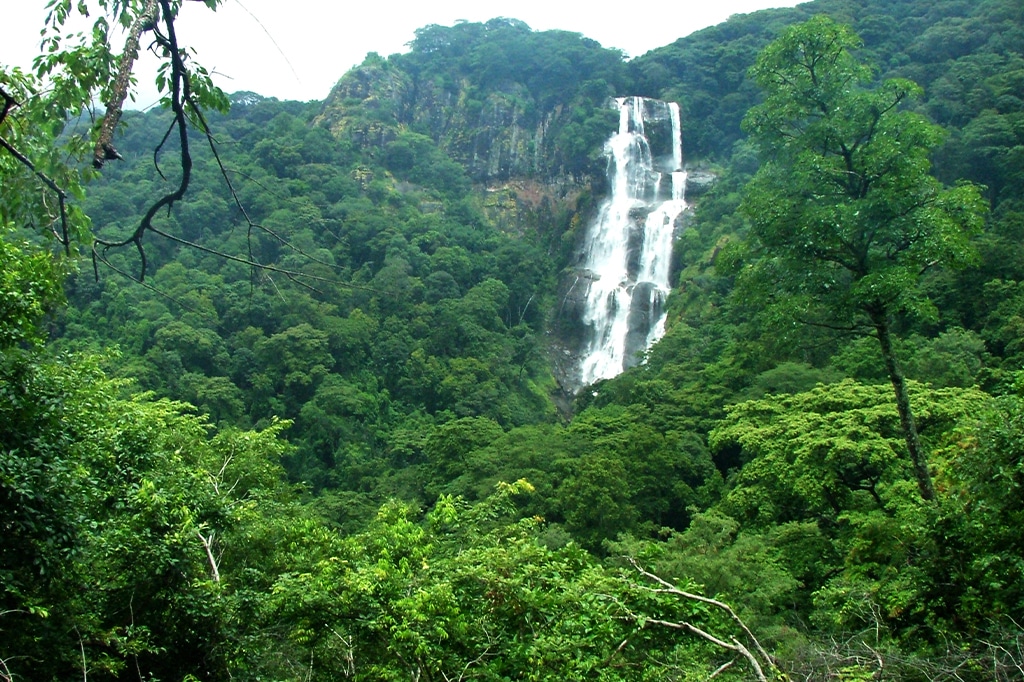
Points of interest in Udzungwa Mountains National Park.
Wildlife.
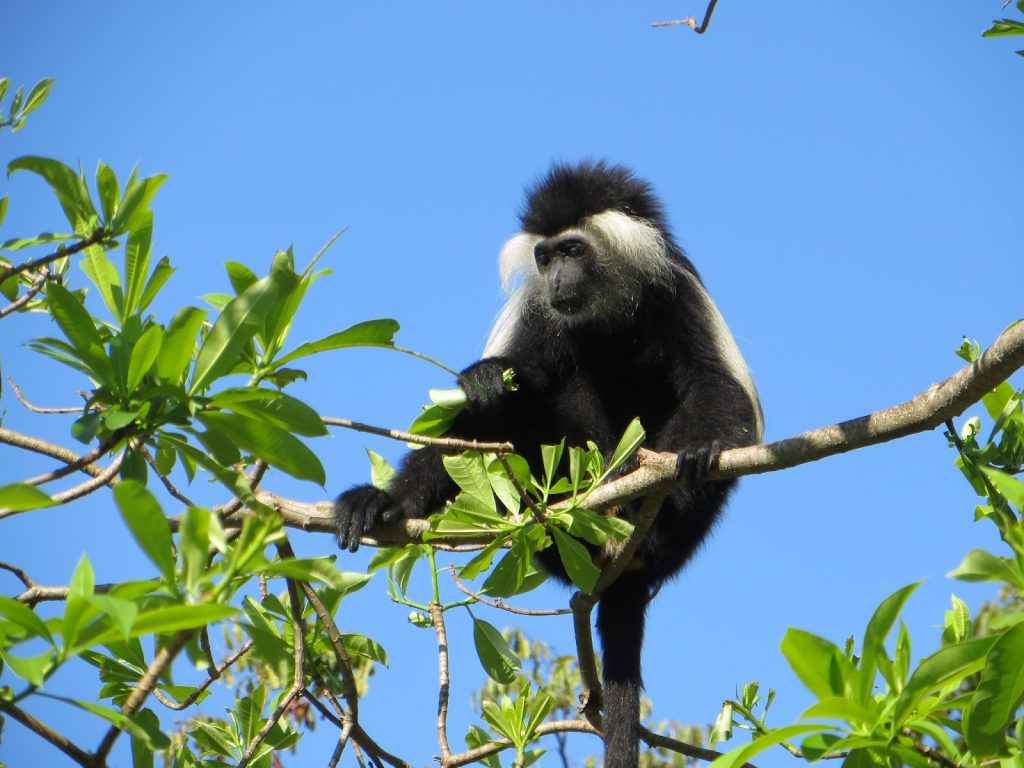
Udzungwa Mountains National Park harbors a rich array of wildlife, including elephants, buffalo, lions, leopards, African wild dogs, and elands. The park is home to six species of primates, two of which are endemic: the Iringa red colobus monkey and the Sanje crested mangabey monkey. Udzungwa Mountains National Park contains around 2,500 plant species.
Bird species.
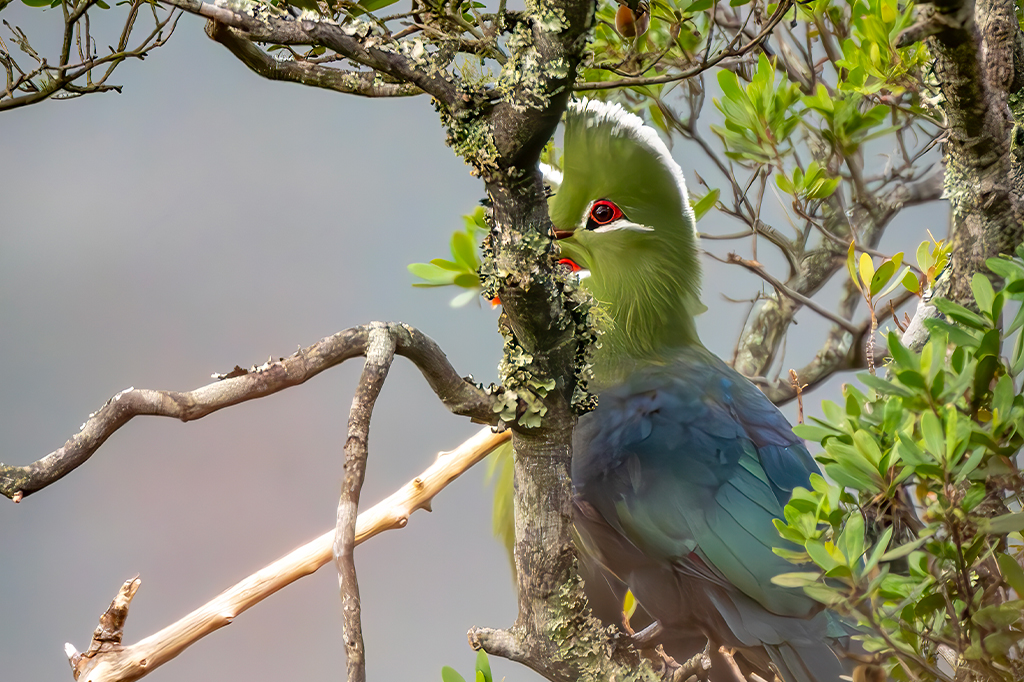
Udzungwa Mountains National Park boasts over 400 avian species, making the Udzungwa forest an essential destination for birdwatchers seeking premier birding safaris in Tanzania. It ranks among the top three bird conservation areas on the African mainland. Notable species within the park include the African Marabou, Crowned Eagle, Rüppell’s Vulture, African Hobby, Francolin, and Rufous-winged Sunbird, among others.
Tropical rainforest.
The Tropical Rainforest is located in Udzungwa Mountains National Park, which hosts approximately 2,500 plant species, including three rare varieties and 160 species with therapeutic properties beneficial to tourists and local residents.
Waterfalls.
Udzungwa Mountains National area features numerous natural waterfalls, with river streams running and generating captivating noises within the dense forest, so attracting a greater number of tourists to the area.
Activities conducted in Udzungwa Mountains National Park.
Bird watching
Birdwatching in the park occurs along all routes, through the roads, and throughout the forest, where numerous bird species, both native and migratory, rely on seasonal variations. The rare Udzungwa Forest Partridge and Rufous-winged Sunbird can be observed through particular locational and behavioral data provided by park personnel. Other anticipated avian species include the African Marabou, Crowned Eagle, and Rufous-winged Sunbird, among others.
Photography and Videography.
Photography and videography constitute the primary recreational activities permissible in the park year-round. These pursuits necessitate a tranquil and serene environment. During the brief rainy season, photographic safaris become particularly exhilarating, as wildflowers bloom and butterfly populations increase. Additionally, this period, spanning from December to February, is optimal for observing numerous migratory bird species.
Cycling.
Cycling is primarily conducted outside the park, particularly in villages adjacent to the park and rubber plantations. Tourists can acquire knowledge of various agricultural techniques, observe local attire and customs, experience traditional dances, and sample regional cuisine and beverages. This invigorating activity promotes muscle flexibility and enhances nature-based tourism.
Cultural tourism.
Udzungwa Mountains National Park is enveloped by a dense evergreen tropical rainforest, serving as the source of numerous permanent rivers that flow into the expansive Kilombero Valley. These rivers and natural ponds, situated at the base of waterfalls, facilitate swimming activities within the park; thus, tourists are advised to bring their own swimming gear to partake in this experience.
Outside camping.
The park offers designated campsites for camping activities, allowing tourists to immerse themselves in the natural forest. They can listen to the calls of birds, insects, and nocturnal animals, as well as the sound of water flowing downstream throughout the night, providing an authentic experience of Tanzania’s wilderness.
Mountain Climbing.
Mountain climbing allows tourists to ascend the highest peaks of Luhomeo and Mwanihana, providing them with an enjoyable experience throughout their visit. This activity is most favorable during the dry season for most climbers.
Where to stay in Udzungwa Mountains National Park.
The park offers numerous lodgings, both within and without its boundaries, including exceptional public and designated camping areas located inside the park. Similar to Twinga Hotel, Hondo Hondo Luxury Camp, Hondo Hondo Udzungwa Forest Tented Camp, Udzungwa Falls Lodge, Udzungwa Forest Tented Camp, Udzungwa Mountain View Camp, among others.
Best time for visiting Udzungwa Mountains National Park.
The optimal time to visit the park is during the dry season (June to September) and the wet season (November to March), when wildflowers are abundant and butterflies are prolific. For ornithologists, the period from December to February is optimal, as the majority of migratory avifauna are nesting within the park.
Entrance fees of Udzungwa Mountains national park.
| Category | JULY TO JUNE | ||
| EA (Tshs) | Non EA Citizen(USD) | Expatriate/Residents(USD) | |
| Of above the age of 16 years | 5000 | 30 | 15 |
| Between the age of 5 to 15 years | 2000 | 10 | 5 |
| Children below the age of 5 years | Free | Free | Free |
Directions to Udzungwa Mountains National Park.
The park is accessible via both air and road transit from Dar es Salaam.
Definition of “By Road”.
From Dar es Salaam, go down the Morogoro road for almost four hours, traversing Chalinze, Morogoro, and Mikumi National Park, before reaching Mikuni town. In Mikumi town, turn left in accordance with the signs directing to Ifakara and the park.
By Flight means.
Coastal operates daily flights to and from Udzungwa/Kilombero to Dar es Salaam and Zanzibar; this route operates every afternoon and connects Udzungwa to the broader safari circuit. One can alternatively fly to Mikumi Airport by Safari Airlink and subsequently drive down the valley to Udzungwa.
The park, situated within the Eastern Arc Mountains, is distinctive due to its uninterrupted closed-canopy forest, which extends from altitudes of 250 meters (820 feet) to over 2000 meters (6,560 feet). It serves as a habitat for an intriguing array of life. The Eastern Arc Mountains, renowned for their high concentration of endemic species of flora and fauna, represent a significant biodiversity hotspot on Earth. Although they encompass less than 2% of Tanzania’s total area, they harbor 30-40% of the nation’s plant and mammal species.