
Kigosi National Park Tanzania: Complete Safari Travel Guide
Located in Tanzania’s northwest, Kigosi National Park, often referred to locally as Hifadhi ya Taifa ya Kigosi, is one of the country’s biggest and most significant wetland habitats. Located in the areas of Shinyanga, Tabora, and Kigoma, this vast park spans an astounding 7,460 square kilometers (2,880 square miles). Due to its biological significance, Kigosi, a part of the broader Malagarasi-Muyovozi wetland system, has been designated as a Ramsar Site. Kigosi, which was created as a national park to protect its fragile wetlands and rich biodiversity, is still a popular destination for ecotourism and wildlife preservation.
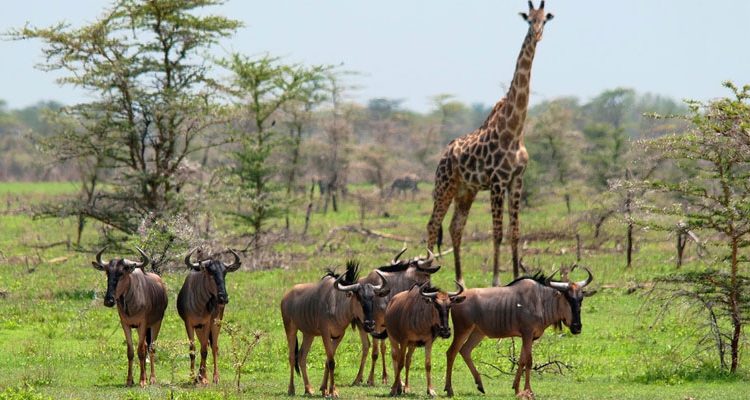
Large floodplains, marshes, riverine woods, and seasonal wetlands that are supplied by the Malagarasi River are among the park’s distinguishing characteristics. The region’s low-lying plains and extensive watercourses produce a distinctive and serene scenery, despite the absence of large waterfalls or majestic mountains. During the rainy season, when the floodplains become a verdant paradise brimming with life, Kigosi’s wetlands are especially breathtaking. Boat trips across the unspoiled nature are made possible by the park’s tranquil rivers and waterways. The abundance of wildlife in Kigosi National Park is well known, especially the huge mammals and aquatic species. Significant numbers of sitatunga antelopes, an elusive and semi-aquatic species that is suited to swampy environments, can be found there. Hippos, crocodiles, topis, and reedbucks are among the other noteworthy species that flourish throughout the park’s grassy plains and waterways.
Waterbucks, buffaloes, and elephants are also frequently sighted, particularly in the vicinity of floodplains with an abundance of water sources. In order to preserve the natural balance, predators like spotted hyenas and leopards patrol the woodlands. With more than 350 species of birds known to call Kigosi National Park home, birdwatching there is a rewarding experience. Waterbirds such as shoebills, African fish eagles, herons, kingfishers, and open-billed storks call the wetlands home. The park is a great place for ornithologists and birdwatchers because migratory birds visit it throughout the year. The expansive riverbanks and floodplains offer ideal locations for observing groups of birds in their native environment. Because it preserves one of the biggest freshwater wetland ecosystems in East Africa, Kigosi National Park is essential to Tanzania’s conservation plan.
Conservation efforts, which are overseen by the Tanzania National Parks Authority (TANAPA), concentrate on protecting the park’s delicate wetlands, stopping poaching, and avoiding encroachment. The park’s significance for the preservation of biodiversity locally and globally is highlighted by its status as a Ramsar Site. Programs for community outreach and sustainable tourism seek to increase awareness and promote the park as an essential natural resource. Game drives, boat safaris, and guided nature walks are some of the ways that visitors to Kigosi National Park can experience the park’s surroundings.
While the nearby floodplains offer fantastic chances for wildlife and birdwatching, boat trips along the Malagarasi River give up-close encounters with aquatic life, such as crocodiles and hippos. Kigosi’s serene surroundings and unspoiled beauty provide a sense of seclusion and tranquility uncommon in more well-known safari locations. In conclusion, Kigosi National Park is a sanctuary of peace, animals, and wetlands. For eco-tourists, birdwatchers, and conservationists who are keen to discover one of Tanzania’s best-kept secrets, it is a must-visit because of its extensive floodplains, rare species, and ecological value.
Thing to do in Kigosi National Park
Game Drive
In one of Tanzania’s least-visited parks, game drives across Kigosi’s vast savannahs and woodland regions offer remarkable wildlife encounters. As they drive over the vast plains in robust 4×4 cars, visitors can see herds of Cape buffalo, giraffes, and elephants grazing in their native environments.
Lions, leopards, and cheetahs are examples of predators that are frequently seen hunting or relaxing in locations with shade. Game drives in the morning and evening provide the best chances to see wildlife in action, and the soft light makes for stunning photos.
A fulfilling and instructive safari experience is guaranteed thanks to the guides’ insightful insights regarding the behaviors of the animals and the ecology of the park.
Boat Cruise
Kigosi National Park’s expansive wetland habitats, where life flourishes along the water’s edge, can be fully explored on a boat safari.
While gliding through serene rivers, oxbow lakes, and marshes, visitors can see waterbucks grazing close, Nile crocodiles relaxing on sunny banks, and hippos relaxing in the water. Sightings of African jacanas, malachite kingfishers, and unusual shoebills will enthrall birdwatchers.
A serene yet lively sensation is produced by the tranquility of the lake, birdsong, and far-off wildlife. A boat safari offers up-close interactions with the park’s aquatic fauna as well as a new angle on its magnificent scenery.
Bird Watching
A variety of resident and migratory bird species are drawn to Kigosi National Park’s varied environments, making it a birdwatcher’s dream. The park’s rich wetlands, home to rare shoebills, African fish eagles, and yellow-billed storks, are the focus of guided birdwatching tours.
While broad plains display the brilliant colors of lilac-breasted rollers and bee-eaters, woodland pathways provide chances to see secretary birds and helmeted guineafowls. Both inexperienced and seasoned birdwatchers benefit from the guides’ in-depth knowledge of bird species, behavior, and migration patterns.
With binoculars in hand and the tranquil sounds of nature surrounding you, this activity provides a calm and incredibly fulfilling way to engage with Kigosi’s bird life.
Wildlife in Kigosi National park
Kigosi National Park is equally celebrated for its diverse array of herbivores and other non-predatory species, which are instrumental in the park’s flourishing wetland and savannah ecosystems.
African Elephant: Kigosi’s floodplains and forests are home to majestic elephant populations that forage on aquatic vegetation, bark, and grasses.
Cape Buffalo: Cape buffalo are frequently observed in vast herds, grazing on the savannahs of the park. Their immense size serves as a deterrent to even the most vicious predators.
Hippo: Hippos are abundant in Kigosi’s wetlands, where they spend the day submerged in water and emerge to graze on land at night.
Giraffe: Using their long limbs to access treetop leaves, the park’s giraffes gracefully feed on the foliage of acacia trees.
Waterbuck: Waterbucks flourish in the vicinity of Kigosi’s wetlands and rivers, where they consume luxuriant vegetation in the safety of their preferred habitats.
Topi: This reddish-brown antelope is frequently observed in the open expanses of Kigosi, where it grazes and maintains a watchful eye for predators.
Impala: Elegant and agile, impalas form vast herds that graze in the savannahs, prepared to escape at the first indication of danger.
Zebra: Zebras, with their striking black-and-white stripes, frequently graze in conjunction with other herbivores, seamlessly assimilating into the savannah environment.
Warthog: In Kigosi’s plains, warthogs forage for roots and grasses, with their distinctive erect tails serving as indicators of alertness.
Bushbuck: The bushbuck is a silent resident of forested margins, where it feeds on shrubs and seamlessly integrates into its environment.
Predators in Kigosi National Park
Kigosi National Park, a vast and isolated wetland wilderness in Tanzania, is home to a remarkable variety of predator species that dominate its plains, woodlands, and waterways.
African Lion: The African lion is the dominant species in Kigosi’s grasslands, where prides collaborate to capture large prey, particularly bison herds.
Leopard: The leopard, who is well-camouflaged and solitary, stealthily traverses the park’s dense woodlands, ambushing impalas and other small mammals.
Cheetah: The cheetah is able to outrun competitors and pursue down gazelles with its lightning-fast speed, thriving in Kigosi’s open plains.
Spotted Hyena: Spotted hyenas, which are renowned for their bone-crushing jaws, hunt in groups or scavenge the remains of other predators.
African wild dog: These endangered predators exhibit exceptional cooperation, employing strategy and stamina to exhaust prey during extended pursuits.
Nile Crocodile: Nile crocodiles are concealed in the park’s rivers and meadows, where they ambush animals that approach the water too closely.
Serval: The serval’s acute hearing and slender frame enable it to seize on rodents and birds hiding in the tall grasses of Kigosi.
Side-striped Jackal: The side-striped jackal is a scavenger and predator who preys on insects, reptiles, and small mammals.
Honey Badger: The honey badger is renowned for its tenacity, as it scrapes out prey such as snakes, insects, and small mammals with ferocious determination.
African rock python: While attentively waiting for unsuspecting antelope or small mammals near the water, this potent snake constricts its prey.
Birds Kigosi National Park
The wetlands, woodlands, and savannahs of Kigosi National Park serve as a sanctuary for a remarkable array of avian species, drawing both resident and migratory species.
Shoebill: Kigosi’s wetlands are the habitat of this rare and prehistoric-looking bird, which methodically pursues fish and amphibians.
African Fish Eagle: In the park, the African fish eagle’s iconic cry reverberates over rivers and lakes as it hunts for fish, a majestic presence.
Grey-crowned crane: The grey-crowned crane elegantly sways in wetlands, its golden crest lending a regal air to its graceful movements.
The marabou stork: The park’s water sources and plains are frequented by this large, scavenging stork, which frequently soars to the skies in quest of food.
Yellow-billed Stork: The yellow-billed stork sweeps its bill to capture fish, frogs, and aquatic invertebrates as it wades through shallow water.
Secretary Bird: The secretary bird, which is distinguished by its long legs and distinctive crest, is a predator of snakes and small mammals that patrols the savannah.
Helmeted Guineafowl: The patterned plumage of these ground-dwelling birds serves as an exceptional camouflage, enabling them to forage in flocks across the grasslands of the park.
Malachite Kingfisher: A jewel of Kigosi’s wetland habitats, this small, brightly colored kingfisher dives swiftly into the water to capture fish.
African Jacana: The African jacana, with its long digits, appears to “walk on water” as it traverses floating vegetation in wetlands.
White-backed vulture: White-backed vultures, which are essential scavengers, monitor the skies of Kigosi, rapidly descending to consume the carcasses that predators have left behind.