
Katavi National Park Safari – Tanzania’s Wildest & Most Remote Park
Katavi National Park, situated in the remote western region of Tanzania adjacent to Lake Tanganyika, is one of the country’s lesser-known national parks yet ranks as the third largest in Tanzania. The Park is situated in the western safari circuit, adjacent to the Mahale Mountains, Lake Tanganyika, and Gombe Stream National Park. Founded in 1974, the park encompasses over 4,471 square kilometers (1,726 square miles) and is bordered by the Katuma River, the seasonal Lake Katavi, and the floodplains of Lake Chada.
Katavi National Park is a pristine wilderness destination in Tanzania, characterized by its remarkable beauty, minimal traffic, and low yearly visitor numbers. This is attributable to its relative inaccessibility; yet, it remains one of the most exhilarating parks to explore while a safari un Tanzania.
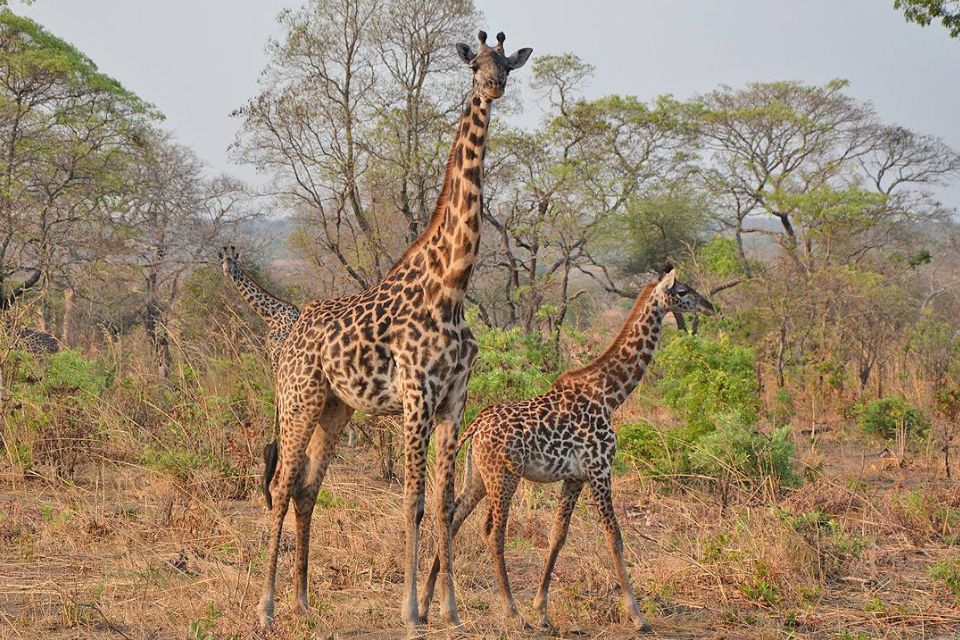
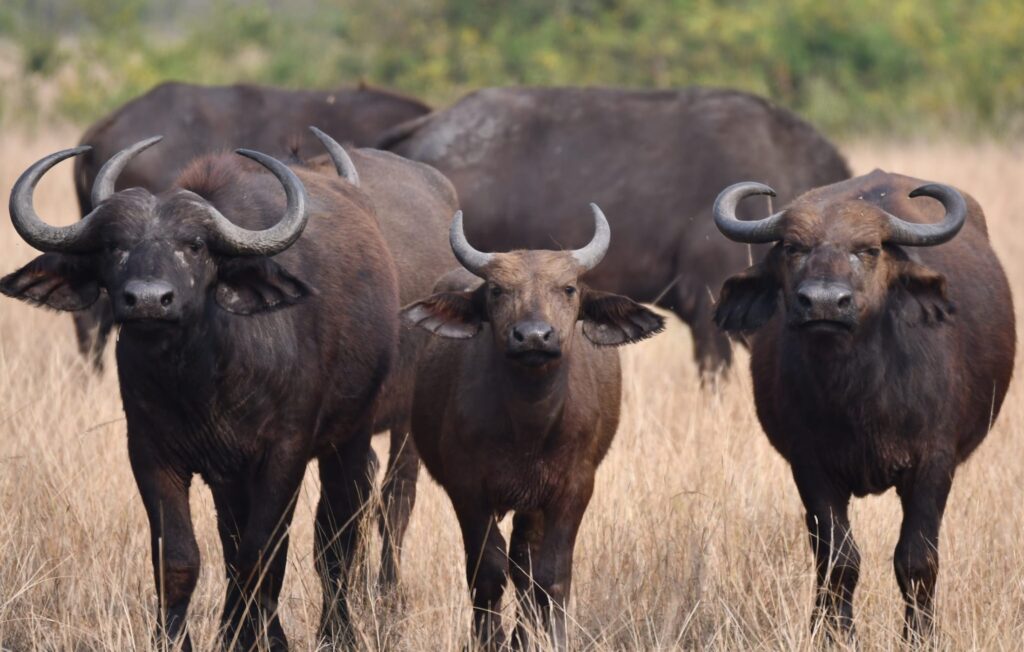
The park is among Africa’s best-kept secrets, offering authentic nature that evokes a sense of historical experience. The Park boasts remarkable biodiversity, hosting substantial populations of cape buffaloes, zebras, giraffes, wildebeests, and elephants, among several other species. The concentrations of animals observed here are significantly greater and more feral. Travelers investing time and resources in Katavi National Park are richly rewarded with breathtaking isolation and a genuine isolated safari experience.
Points of Interest in Katavi Park
Wildlife
Katavi is unparalleled in its exhibition of buffalo and lion confrontations. The floodplains, characterized by dense reeds, create muddy pools during the annual dry seasons and are inhabited by several schools of hippos and crocodiles. Each hippo pool accommodates approximately 600 hippos at its maximum capacity. The park features a variety of habitats, including pure seasonal lakes and delicate rivers like Katuma, Kavu, and Kapapa, which draw abundant animals, including crocodiles. In addition to its substantial populations of buffalo, Katavi National Park hosts elephants, giraffes, elands, topis, zebras, waterbucks, hartebeests, impalas, and duikers, which are frequently observed near water sources during the dry season. The park features several predators, including hyenas, lions, leopards, wild dogs, hippopotamuses, and crocodiles. The exquisite sable and roan antelopes are occasionally located in the Miombo woodland. The black mamba, an exhilarating inhabitant of the woodland savannah, can occasionally be located in the park.
Birds
Katavi National Park is an excellent destination for ornithologists, featuring over 450 documented avian species, including migrating birds from Europe and North Africa. Avifauna in Katavi National Park is predominantly located along the riverbanks, featuring substantial congregations of storks, including saddle-billed, open-billed, and spoonbills, alongside African fish eagles, Bateleurs, lilac-breasted rollers, crested barbets, and paradise flycatchers, among others.
Additionally, Katavi hosts the largest and most splendid raptor in Tanzania – the Bateleur eagle, characterized by its deep brown upper body plumage and vibrant orange beak.
Lake Katavi and the Katuma River
Lake Katavi is a seasonal lake within the park, spanning an area of 100 to 150 km², contingent upon the available water volume. In the wet season, this lake serves as a birdwatching locale for numerous aquatic avian species and harbors the highest density of hippos and crocodiles in Tanzania.
The Katuma River, which flows into Lake Katavi, harbors a significant population of hippos, crocodiles, and various other species, including hyenas and lions.
Katsunga Plains
The Katsunga plains of Katavi National Park host a diverse array of animals and are among Tanzania’s premier wildlife observation sites, following Serengeti National Park. The plains are encircled by scrub and savannah woods, with a river traversing them.
The Katabi tree
Katavi National Park derives its name from the Wabende tribe’s spirit, Katabi, a mythical hunter spirit residing within a tamarind tree near Lake Katavi. This ghost was said to bestow wealth, offer magical protection, and reveal traditional remedies to treat ailments such as smallpox among the indigenous people. Currently, the tree continues to be employed by local inhabitants like Pimbew and Wabende, who reside adjacent to the park to invoke the Katabi Spirit for blessings and various favors.
Activities in Katavi National Park
Game drives
A game drive at Katavi National Park constitutes a pleasurable safari experience. Experience a plethora of wildlife and the pristine, distinctive terrains of this park from the comfort of a 4×4 safari Landcruiser. The minimal traffic provides a unique sense of intimacy with creatures in their natural habitat. A variety of animal species are observable, including cape buffaloes, hippos, zebras, wildebeests, giraffes, elephants, crocodiles, cheetahs, wild dogs, hyenas, leopards, and lions. The game drives occur in the morning, afternoon, evening, and at night.
birds
Katavi National Park is unequivocally a birding paradise for avian enthusiasts on a Tanzania birding tour, boasting over 450 documented bird species. Be vigilant for the African fishing eagle, Paradise flycatchers, herons, spoonbills, plovers, and numerous more species on any birdwatching expedition in the Park. This figure establishes it as one of the premier bird-watching destinations in Tanzania.
Supervised Nature Walks
Katavi National Park offers guided nature tours led by knowledgeable park rangers. The park has both lengthy and brief trails, allowing tourists to observe the breathtaking vistas of the Chorangwa, Leukemia, and Ndidi waterfalls. The extended nature excursions cover 17 kilometers in 5 hours, and the shorter walks span 9 kilometers in approximately 3 hours.
Wilderness Camping
Camping is permitted in Katavi National Park. Standard non-luxury tents are erected in the bush at a transient campsite. Absence of fences, flush toilets, or showers; merely existing in nature, preparing meals over an open flame, and engaging in conversations around a bonfire, while admiring the stunning African night sky and attuning to the calls and noises of wildlife.
Cultural Trails
Adjacent to Lake Katavi, one may observe the tamarind tree associated with the ghost of the mythical hunter Katabi, for whom the park is called. Locals continue to leave offerings here in pursuit of the spirit’s blessing.
The park features several historical locations where tourists can explore and gain insights about Tanzania’s diverse cultures, its populace, traditions, and history. Included among these sites are the Kabora-lyonga slave trafficking route and the ancient towns, to name a few.
Accommodation options in Katavi National Park
Katavi National Park is a highly isolated national park with limited housing options; the available facilities provide a comfortable stay for visitors. This encompasses two seasonal luxury camps overlooking Lake Chada: Palahala Luxury Safari Camp and Riverside Camp Katavi, along with one rest house at Sitalike and various camping sites within the park, including Palahala River Camp, Katavi Wildlife Camp, and Chada Katavi Camp. The park features lodges such as Katuma Bush Lodge and Katavi Hippo Garden Lodge.
Best time to visit katavi national park for a safari
A visitor visiting Tanzania for a safari can access Katavi National Park at any time of day and throughout the year. However, individuals often seek to come at optimal periods to enhance their experience, prompting several inquiries. The optimal period for a safari trip in Katavi National Park is during the dry season, specifically from May to October. The dry season is ideal since the park is rather arid, and the receding floodwaters diminish katuma to a shallow, muddy trickle, serving as the sole water source for the animals in the park. This location is where one may observe a concentration of animals, including buffalo, elephants, giraffes, and a group of hippopotamuses as they come to drink water.
Directions to Katavi National Park
Katavi National Park is situated in the southern area of Tanzania, specifically in the Mpanda district, with its headquarters located 40 kilometers south of the town of Mpanda. The park is accessible via road, railway, and air transport. The park is located 1,236 kilometres from Dar es Salaam, 550 kilometres from Mbeya, and 390 kilometres from Kigoma. Traveling to the park by road is arduous, requiring one and a half days of driving; therefore, it is advisable to utilize the alternative transportation options of rail or air travel. A train connects Dar es Salaam to Mpanda via Tabora; from Mpanda, one can obtain park transportation or rent a car to reach the park’s headquarters. Domestic charter flights to the park arrive at the Ikuu dirt airstrip, provided by companies like as Safari Air Link and Mbali Mbali Safari Charter, managed by Zantas Air Services.