
Kitulo National Park Tanzania: The Serengeti of Flowers Travel Guide
Kitulo National Park, or Hifadhi ya Taifa ya Kitulo, is a stunning high-altitude grassland situated in the southern highlands of Tanzania. The park is over 412 square kilometers (159 square miles) and is situated within the Mbeya and Njombe regions, at altitudes between 2,600 and 3,000 meters (8,530 to 9,840 feet) above sea level. Referred to as the “Serengeti of Flowers,” Kitulo is celebrated for its exquisite flower exhibitions, especially during the rainy season, when the plateau erupts in vivid hues, becoming a botanist’s utopia. The park’s landscape is characterized by the Kitulo Plateau, an extensive, undulating area of montane grasslands flanked by the Livingstone Mountains to the west and the Poroto Mountains to the north. Minor streams and ephemeral waterfalls traverse the terrain, enhancing its tranquil allure. The Nhumbe Waterfall, renowned for its exquisite cascade in a secluded valley, offers a serene refuge for those pursuing quiet. Kitulo National Park is renowned for its remarkable array of wildflowers, including orchids, lilies, and daisies, many of which are native to the area.

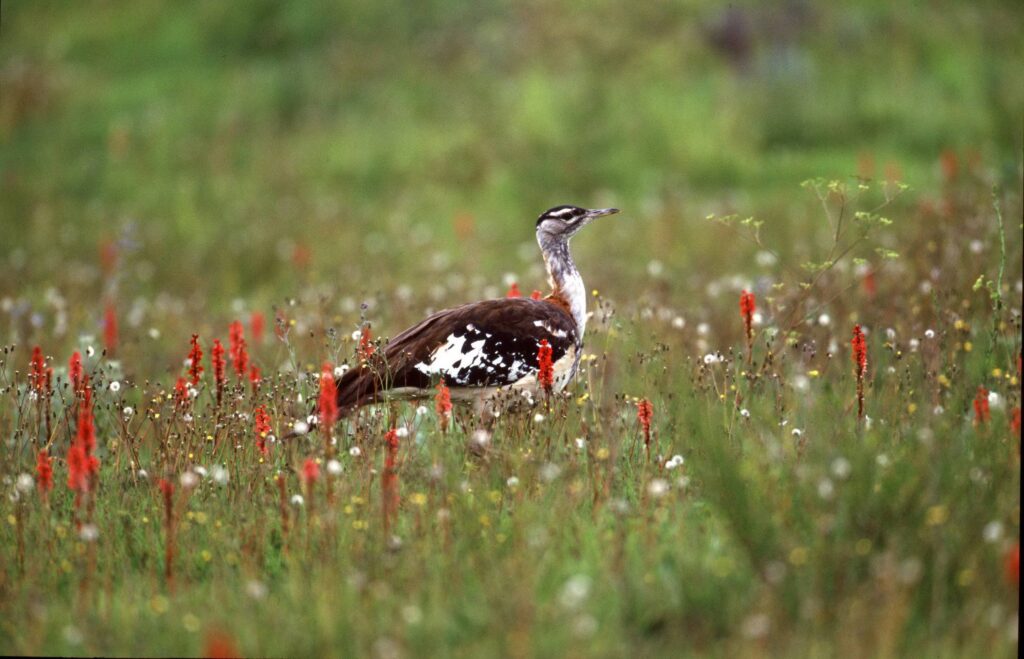
More than 350 species of vascular plants thrive in this area, with orchids comprising over 45 species, establishing the park as a prominent highland floral hotspot in Africa. Kitulo’s botanical abundance has garnered it the indigenous moniker “Bustani ya Mungu,” translating to “The Garden of God.” The park’s flower exhibits are especially remarkable from November to April, when the rains rejuvenate the plateau. While the park is primarily recognized for its vegetation, it also hosts distinctive wildlife. The montane grasslands and woodlands sustain species including eland, mountain reedbuck, and klipspringers, frequently observed grazing on the plateau. Primates, including as blue monkeys and colobus monkeys, flourish in the park’s forested areas, while avian life is plentiful and varied. Kitulo is a prominent avian observation locale, featuring significant species including Denham’s bustard, blue swallow, kipengere seedeater, and mountain marsh widow.
These bird species enhance the park’s ecological importance, establishing it as a sanctuary for ornithologists. Kitulo National Park exemplifies a successful conservation initiative. The park, overseen by the Tanzania National Parks Authority (TANAPA), was founded in 2005 to safeguard its fragile highland ecosystems and uncommon plant species. Conservation activities prioritize the protection of the park’s biodiversity, the sustainable management of tourism, and the engagement of local populations in environmentally responsible projects. Educational activities seek to enhance knowledge of the significance of conserving this delicate ecosystem, while efforts to regulate grazing and combat poaching persist in producing favorable outcomes. Visitors to Kitulo National Park can engage in trekking, floral observation tours, and avian observation.
Paths traversing the plateau present stunning panoramic vistas of the grasslands and mountains, and the Nhumbe Waterfall serves as an idyllic location for picnics and photography. The park’s serene environment and botanical splendor render it an optimal locale for nature enthusiasts, botanists, and eco-tourists in pursuit of a distinctive and pleasant retreat. In conclusion, Kitulo National Park is a natural marvel renowned for its exceptional flower diversity, tranquil vistas, and conservation achievements. Designated as the “Garden of God,” it exemplifies Tanzania’s dedication to safeguarding its distinctive montane ecosystems and enchanting natural heritage.

Kitulo National Park Highlights
Birds
Kitulo National Park, characterized by its high-altitude grasslands, marshes, and forest fragments, serves as a crucial habitat for both endemic and migratory avian species.
Denham’s Bustard: This big, terrestrial avian species traverses expansive grasslands, foraging for insects and little reptiles.
Blue Swallow: The blue swallow, a rare migratory species, glides elegantly across the park’s grassy plains during its seasonal sojourns.
Malachite Sunbird: The iridescent green malachite sunbird darts among wildflowers, extracting nectar with its elongated, curved bill.
Montane Nightjar: This nocturnal birds adeptly blends with rocky terrains, becoming active at twilight to capture flying insects.
Red-collared Widowbird: This species, distinguished by its elongated tail and vivid red collar, presents a remarkable spectacle during its intricate mating rituals.
Pallid Harrier: The pallid harrier glides low over the grasslands, searching for tiny rodents and birds as its prey.
African Stonechat: The African stonechat’s melodious calls resonate over the park’s vast plains as it perches on grass stems.
Striped Flufftail: A reticent and elusive avian species, the striped flufftail conceals itself behind dense grass, emerging momentarily to scavenge for food.
Yellow-billed Kite: The yellow-billed kite, characterized by its unique forked tail, soars across the skies in search of sustenance.
Augur Buzzard: This formidable raptor resides on elevated perches, employing its keen talons to seize rodents aand reptiles.
Predators
Referred to as the “Garden of God” due to its floral splendor, Kitulo National Park also conceals a range of elusive carnivores that flourish within its highland grasslands and woodland peripheries.
Leopard: The leopard, stealthy and solitary, traverses the park’s rugged hills and woodlands with grace, ambushing antelopes and smaller mammals.
Serval: The serval, characterized by its elongated legs and acute auditory perception, navigates through thick grass, leaping to capture rodents and small avians.
African Rock Python: This powerful constrictor ambushes in aquatic environments and grassy openings, fiercely coiling around unwary prey.
Side-striped Jackal: The versatile side-striped jackal preys on small mammals and scavenges amid the park’s broad grasslands and dense vegetation.
Side-striped Jackal: Intrepid and unyielding, the honey badger excavates snakes, insects, and small mammals, unfazed by larger adversaries.
Honey Badger: Inhabiting the periphery of the park, spotted hyenas are adept predators and scavengers, capitalizing on any available chance.
Civet: The African civet, nocturnal and reclusive, preys on insects and small animals in wooded regions during the night.
Feline Species: The African wildcat, like to a domestic cat, covertly stalks rodents and little prey on the park’s verdant plains.
Bat-eared Fox: The bat-eared fox, characterized by its prominent ears, utilizes acute hearing to locate and excavate invertebrates, especially termites.
Black Mamba: The black mamba, characterized by its high venom potency and rapid movement, preys on rodents and birds, typically residing in thick grasses or rocky crevices.
Engaging Kitulo National Park
Nature Walks
Guided nature hikes along Kitulo’s montane paths provide guests the opportunity to traverse its varied ecosystems on foot. The park’s pathways meander through verdant inclines, concealed waterfalls, and rugged formations, providing opportunities to observe fauna including klipspringers, reedbucks, and vibrant chameleons.
Guides provide information into the park’s geology, ecology, and conservation initiatives, while highlighting animal trails and distinctive plants. The serenity of traversing Kitulo’s pristine terrains, along with the chance to closely view wildlife, offers a profound and enlightening experience for those in pursuit of both adventure and repose.
Hiking
Kitulo National Park is renowned for its spectacular floral exhibitions, rendering trekking excursions essential for nature aficionados. Referred to as the “Serengeti of Flowers,” the park transforms into a vibrant display during the rainy season, with orchids, lilies, and daisies covering the undulating hills.
Guided hikes lead guests through stunning meadows adorned with brilliant wildflowers that flourish in intricate patterns against a backdrop of foggy peaks. Expert guides emphasize the park’s botanical marvels, recounting narratives about rare and indigenous plant species that render Kitulo distinctive.
These trails provide exceptional photographic prospects, serene environments, and an opportunity to engage with one of Africa’s most remarkable floral vistas.

Bird Watching
Kitulo’s grasslands and montane ecosystems offer exceptional possibilities for dedicated birdwatchers to observe some of East Africa’s most elusive avian species. Guided excursions direct tourists to essential avian habitats where Denham’s bustards, blue swallows, and red-collared widowbirds flourish.
The elevated meadows resonate with the sounds of sunbirds, harriers, and flufftails, while woodland peripheries disclose elusive species such as the montane nightjar.
Equipped with binoculars, guests experience intimate interactions with these avian wonders, while experts offer professional insights on their behavior, habitats, and seasonal migrations. The tranquil allure of Kitulo’s avifauna creates an indelible experience.