
Nyerere National Park
Nyerere National Park, spanning 30,893 square kilometers, is now the largest national park in Africa and is freshly established in Tanzania. It is the largest independent National Park in Africa and among the greatest globally.
Nyerere National Park, situated in southern Tanzania and previously known as Selous Game Reserve, was designated a UNESCO World Heritage Site in 1982 owing to its striking landscapes and extensive wildlife richness. The park serves as a crucial habitat for the endangered wild dog. The essential elements of Nyerere National Park are its rivers and lakes, with the Rufiji River, the longest river in Tanzania, situated in its core. This river forms a complex network of channels, lakes, and swamps, contributing to one of the most intriguing natural systems in East Africa.
Nyerere is among the select major wildlife parks in Africa that provides exceptional walking safaris, boat safaris, and fly camping excursions.
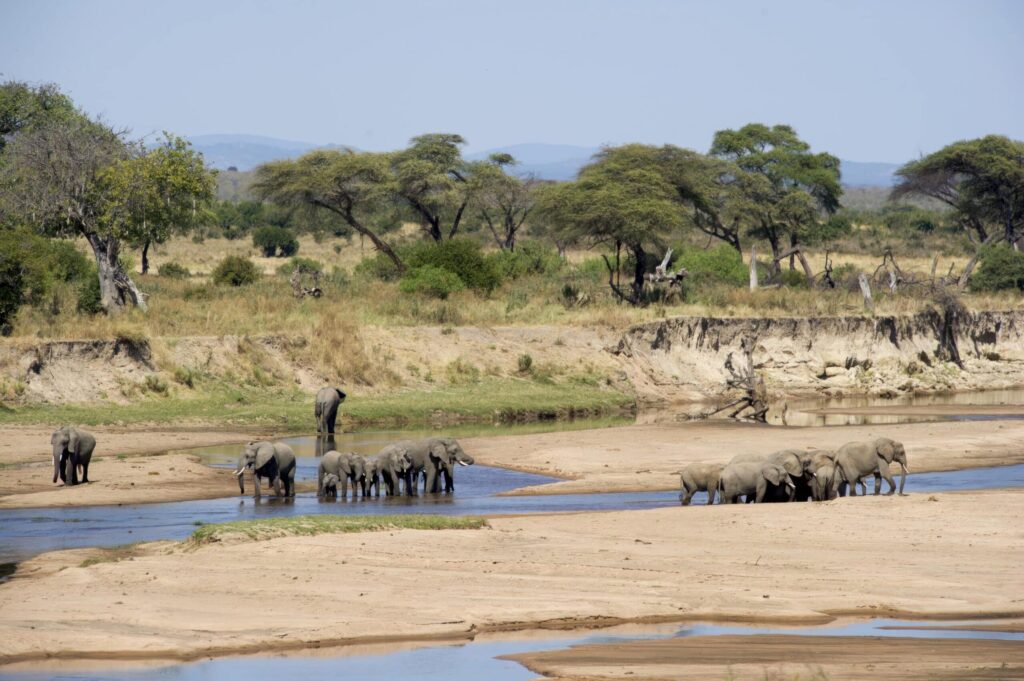
Wildlife in Nyerere National Park
Nyerere National Park features the highest concentration of animals, showcasing a broad and plentiful array of species. The park attracts wildlife from both East and Southern Africa, including resident and migratory species.
Nyerere is home to more than 50% of the remaining endangered African wild dog population and supports a substantial number of crocodiles, hippos, spotted hyenas, cape buffaloes, elephants, elands, sable antelopes, kudu, baboons, wildebeests, zebras, impalas, hartebeests, colobus monkeys, and vervet monkeys, among others.
Nyerere National Park houses a significant amount of Tanzania’s elephant population.
Wildlife in Nyerere National Park
Nyerere National Park hosts 440 bird species frequently seen in their native environments, including lagoons, the River Rufiji, islands, and channels. Bird species observed in Nyerere National Park include mangrove kingfishers, Boehm’s bee-eater, Livingstone’s flycatcher, green-caped eremomela, yellow-bellied bulbul, white helmet shrikes, wattle-eyed flycatcher, red-throated twinspot, grey-hooded kingfisher, black cuckoo-shrike, African skimmer, red-winged warbler, spotted-flanked barbet, red-billed helmetshrike, pearl-spotted owl, palm-nut vulture, broad-billed roller, von Decken’s hornbill, Layard’s black-headed weavers, grey penduline, purple-banded sunbird, African spoonbill, brown-necked parrot, racket-tailed roller, thick-billed cuckoo, white-backed vulture, white-headed lapwing, Pel’s fishing owl, Dickinson’s kestrel, brown-headed parrot, and rock pranticole, among others.
Activities in Nyerere National Park
Game Drives
Game viewing is the predominant safari experience in Nyerere National Park, optimally conducted during the dry season from June to October, when numerous animals gather at various waterholes to drink and cool off.
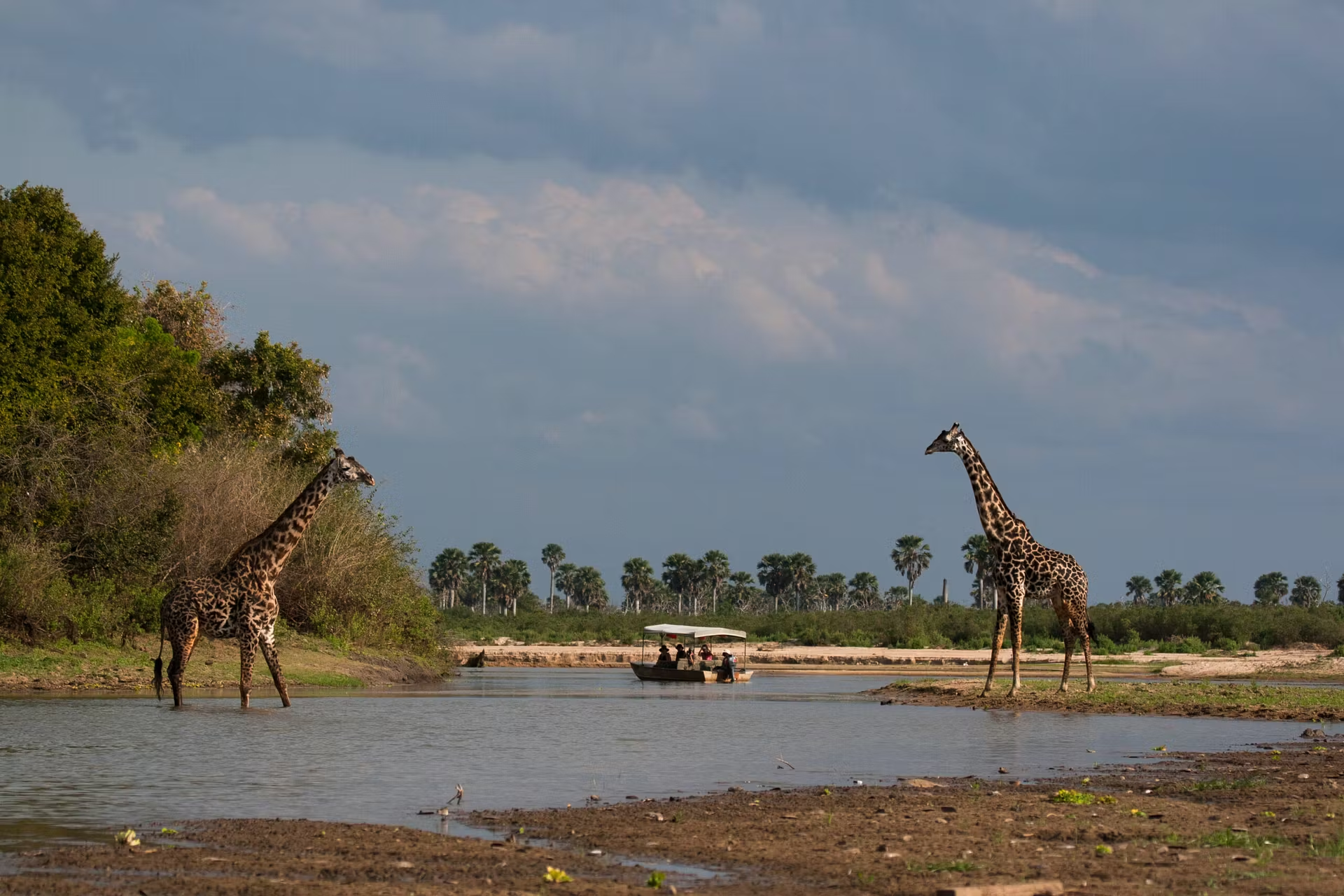
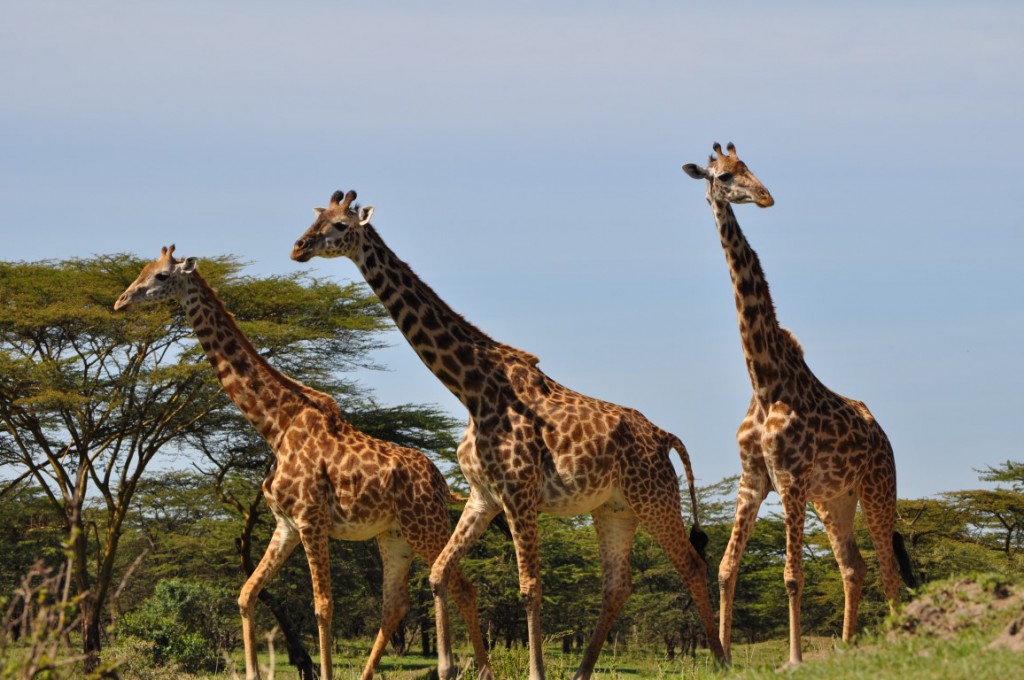
During the game drives, one should be vigilant for endangered wild dogs, buffaloes, hippos, lions, giraffes, baboons, zebras, rhinos, elands, impalas, elephants, and other species.
The optimal time for game drives in Nyerere National Park is in the morning before to 11:00 am and in the afternoon around 3:00 pm, as this is when the animals are less concealed from the heat.
Birding safaris
Nyerere National Park is a premier birdwatching locale in Tanzania, featuring over 440 documented bird species. The optimal period for birdwatching at Nyerere is from November to April, coinciding with the rainy season when migratory birds from North Africa and Europe arrive in the park.
Notable bird species to observe during a birding safari at Nyerere National Park include the yellow-bellied bulbul, mangrove kingfisher, black cuckoo-shrike, palm-nut vulture, red-throated twinspot, red-winged warbler, African skimmer, spotted-flanked barbet, and grey-hooded kingfisher, among others.
Escorted walking safaris
Guided walking safaris in Nyerere National Park offer an exhilarating experience, allowing guests to engage in leisurely, guided excursions within a wildlife conservation area, aimed at observing wild animals in their natural habitat without the use of vehicles.
Guided walking safaris in Nyerere National Park are available as nature walks both within the park and in an adjacent area. Nature walks within the park last around 45 minutes to 1 hour, while those beyond the main reserve last about 3 hours, covering a distance of 9-15 km.
Nature walks at Nyerere National Park are best undertaken in the early morning or late afternoon when the sun’s intensity is diminished.
Cultural Tours
Cultural tours in Nyerere National Park provide an opportunity to engage with the Maasai people, the most emblematic tribal group in Africa, who inhabit the expansive regions of Northern Tanzania and constitute the predominant ethnic group adjacent to other National Parks and Reserves in the country.
This nomadic warrior tribe retains numerous customs, living mostly unaffected by contemporary civilization.
The Maasai Village visit lasts one hour, providing an opportunity to engage with the local populace and observe their culture, distinctive lifestyle, and many rituals and practices firsthand.
Boat Safari
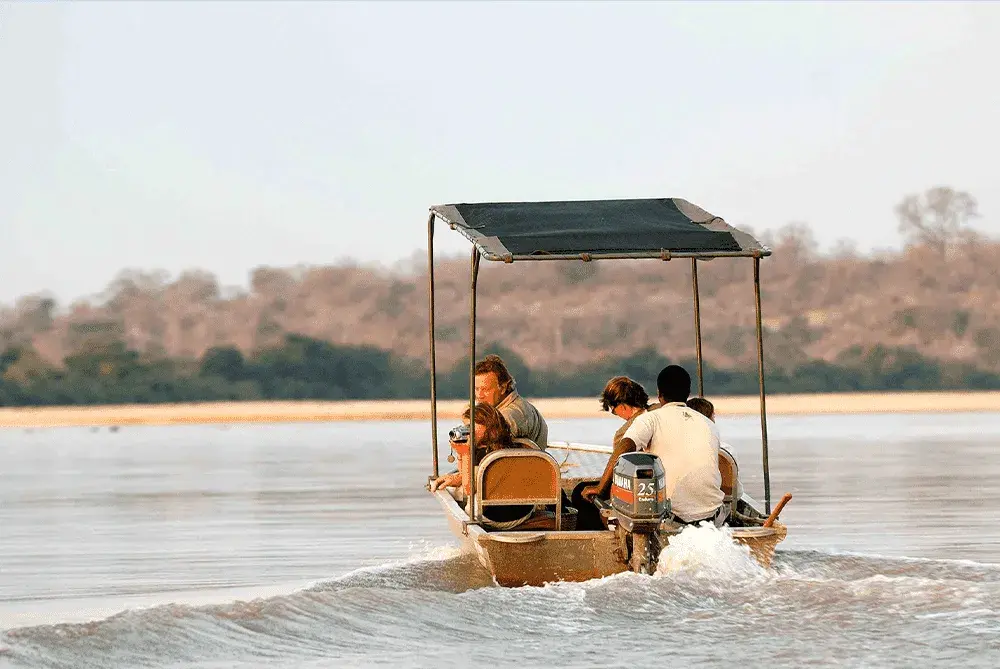
A boat safari on the Rifuji River is an excellent means of exploring Nyerere National Park. During the excursion, one can observe aquatic fauna such as hippos and crocodiles, in addition to several avian species such the grey heron, great egret, African skimmer, and lesser sandplover, among others.
Perfect Time for Visiting Nyerere National Park
Nyerere National Park is a year-round destination; nevertheless, the optimal period for observing the highest densities of wildlife is from July to October. Game viewership is consistently excellent in multiple regions throughout the year. In January and February, exercise caution while selecting your camp, as the game migrates to more rich feeding areas.
The peak season occurs from November to March; nonetheless, wildlife observation remains favorable due to animal activity and reduced vehicular and maritime traffic in the park. The migrating birds also come during these months. The brief precipitation occurs around November, with humidity increasing until April. The extended rainy season occurs from April to May, during which most camps and lodges cease operations.
Directions to Nyerere National Park
Nyerere National Park is readily accessible from Dar es Salaam, Arusha, Ruaha, and Zanzibar. Access to the park is available via both road and air transportation.
The distance from Dar es Salaam to Nyerere National Park is approximately 230 kilometers to the nearest entry point, although this amount varies based on the specific entry gate used for admission to the park. The journey lasts approximately five hours.
The Park is accessible via daily light aircraft flights from Dar es Salaam and Ruaha, with a flight duration of approximately 45 minutes from Dar es Salaam and about 90 minutes from Ruaha. Additionally, multiple departure aircraft from Arusha and Zanzibar arrive at various lodgings or public airstrips within the area.
Accommodations in Nyerere National Park
Nyerere National Park offers a variety of accommodation alternatives, including luxury, midrange, and budget eco-friendly hotels and tented camps. These encompass
- Beho Beho Camp
- Kiba Point Selous
- Sand Rivers Selous
- Siwandu Camp
- Roho ya Selous
- The Retreat Selous
- Serena Mivumo River Lodge
- Selous Serena Camp
- Selous Impala Camp
- Lake Manze Camp among others.